
Key Takeaways
- Pests can enter through openings as small as a dime or smaller
- Roof, foundation, and utility gaps are the most common pest entry points
- Rodents and insects exploit hidden structural weaknesses
- Small entry points quickly lead to larger infestations
- Sealing pest access points is the most effective long-term solution
How Do Pests Get Into Homes?
Pests are constantly searching for three things: shelter, food, and warmth. Your home provides all three. Rodents like mice and rats, insects such as ants and cockroaches, and even wildlife like raccoons and squirrels take advantage of structural gaps to get inside.
In Barrie, seasonal changes play a major role. During colder months, mice enter homes to escape freezing temperatures. In warmer seasons, insects become more active and look for food sources indoors. Most homes have multiple pest entry points, making it easier for infestations to grow unnoticed.
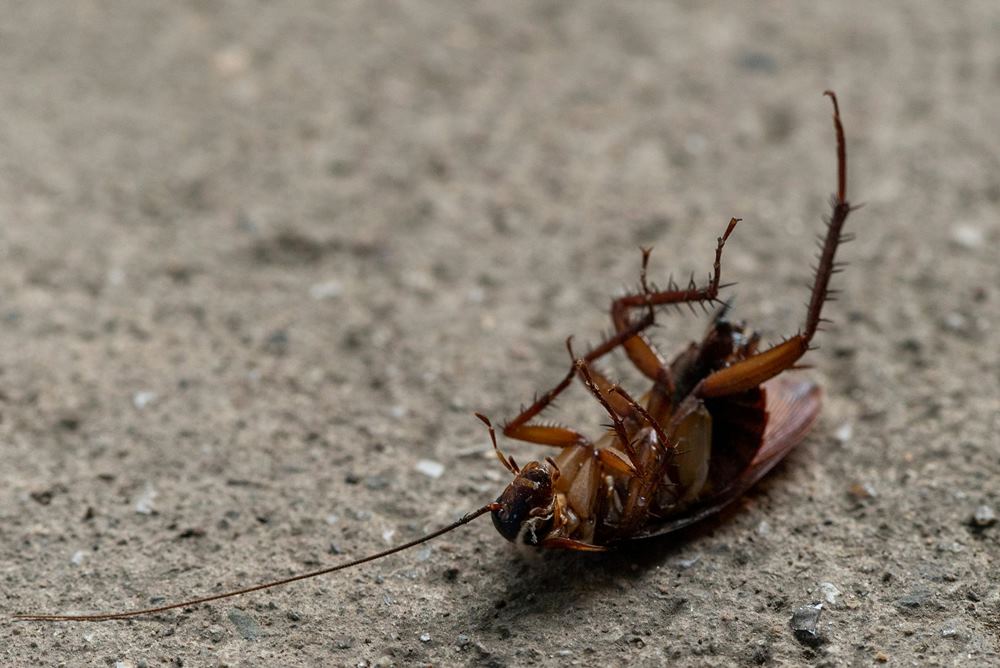
Why Are Homes Vulnerable to Pest Entry?
Homes naturally develop weaknesses over time, leading to pest control issues in Barrie. Weather exposure, shifting foundations, and aging materials create cracks and openings that pests can exploit. Even newer homes may have small construction gaps.
Everyday habits like leaving doors open or delaying minor repairs also increase the risk, making it easier for pests to enter and settle inside.
What Are the Most Common Pest Entry Points in Houses?
The most common pest entry points are typically found in structural transition areas where materials meet or where utilities enter the home. These include the roof, attic, foundation, doors, windows, and utility openings.
Because many of these areas are hidden or hard to inspect, pests can enter and remain undetected for long periods. Knowing where to look is key to preventing infestations.
Roof Entry Points (Attics, Vents, Soffits)
The roof is one of the most overlooked yet vulnerable areas for pest entry points in attic spaces. Damaged shingles, loose flashing, and aging materials create openings that pests can easily exploit.
Can Pests Enter Through Roof Vents?
Yes, roof vents are a major access point. Raccoons, squirrels, and birds often tear through vent covers to gain access to attic spaces. Once inside, they build nests, damage insulation, and create contamination risks.
How Do Pests Access Attics?
Pests can enter through gaps under eaves, damaged soffits, and openings along the roofline. Even small separations can allow rodents and insects to enter. Attics provide warmth and safety, making them ideal nesting areas.
Basement and Foundation Entry Points
The foundation is another common area where pests enter homes. Cracks in concrete, gaps between bricks, and openings around pipes provide direct access indoors.
Where Do Mice Enter Homes?
Mice can squeeze through openings as small as a coin. They often enter through foundation cracks, gaps near utility lines, and small holes near ground level. Once inside, they travel through walls and floors.
Can Insects Enter Through Basement Cracks?
Absolutely. Ants, cockroaches, and spiders commonly enter through tiny foundation cracks. Moisture in basements attracts these pests, making this area a high-risk zone for infestations.
Doors, Windows, and Exterior Gaps
Doors and windows are some of the easiest pest access points to overlook. Worn seals and improper installation create gaps that pests use daily.
How Do Pests Get Inside Through Doors?
Gaps under doors especially garage doors are a major entry point. Rodents and insects can easily slip underneath, especially if weatherstripping is damaged or missing.
Can Bugs Enter Through Window Frames?
Yes, even small cracks in window frames or damaged screens allow insects like ants and flies to enter. These entry points often go unnoticed until an infestation develops.
Plumbing and Utility Openings
Anywhere pipes, cables, or wires enter your home can become a pest entry point. These openings are rarely sealed properly and often lead directly into walls.
How Do Insects Get Into Homes Through Pipes?
Pipes create warm, moist environments that attract pests. Cockroaches and ants often travel along plumbing lines and enter through gaps around pipes.
Why Are Utility Gaps High-Risk Entry Points?
Utility openings provide a direct path into the structure of your home. Once inside walls, pests can spread quickly without being seen, making infestations harder to control.
Garage and Crawl Space Entry Points
Garages and crawl spaces are commonly used entry zones for pests because they are less frequently inspected.
Do Pests Enter Through Garages?
Yes, garages are a major access point. Gaps in garage doors allow mice, insects, and even larger pests to enter. Once inside, they can easily move into the main living areas.
Why Are Crawl Spaces Vulnerable?
Crawl spaces are dark, damp, and rarely monitored. These conditions attract rodents, insects, and wildlife, making them ideal for nesting and long-term infestations.
Why Small Openings Lead to Big Infestations
One of the biggest misconceptions is that entry points need to be large. In reality, even tiny openings can lead to major problems. Mice can fit through holes as small as a dime, while insects need even less space.
Once pests gain access, they reproduce quickly. A single entry point can lead to a full infestation over time. Ignoring small gaps allows pests to establish nests, contaminate surfaces, and damage your home.
How to Identify Pest Entry Points
Finding pest entry points requires a careful inspection of your home. Look for signs such as:
- Droppings or grease marks near walls and floors
- Gnaw marks around wood, wires, or insulation
- Drafts coming through unexpected areas
- Visible cracks or gaps in structure
Focus on high-risk areas like the roofline, foundation, and around utility lines. Early detection can prevent a small issue from becoming a costly infestation.
How to Seal and Prevent Pest Entry
Preventing pests starts with sealing all potential pest access points. Effective methods include:
- Using caulking to seal cracks and gaps
- Installing steel mesh over vents and openings
- Replacing damaged weatherstripping on doors and windows
- Repairing roof damage and sealing soffits
Regular maintenance is essential. Homes should be inspected seasonally to catch new vulnerabilities. While some sealing can be done yourself, professional pest control ensures all hidden entry points are properly addressed.
FAQs
What are the most common pest entry points?
The most common pest entry points include roof vents, attic gaps, foundation cracks, doors, windows, and utility openings. These areas often have small openings that pests use to enter homes unnoticed.
How do mice get into homes?
Mice enter homes through very small openings, often as small as a coin. They use gaps in foundations, walls, and around pipes to gain access and then travel through walls and ceilings.
Can pests enter through small cracks?
Yes, even the smallest cracks can act as pest entry points. Insects require minimal space, and rodents can squeeze through surprisingly tight openings, making small gaps a serious risk.
How do you seal pest entry points?
Sealing pest access points involves using caulking, weatherstripping, and durable materials like steel mesh. Proper sealing requires identifying all openings and ensuring they are fully closed to prevent re-entry.