
How Do Pest Infestations Start?
Pest infestations start when pests find food, moisture, and shelter inside your home. They enter through small gaps, cracks, or openings. Once inside, they begin nesting and reproducing quickly. This is why pests can suddenly appear and spread fast, even in homes that seem clean and well-maintained.
Key Takeaways
- Pest infestations begin with access, attraction, and opportunity
- Even clean homes can have hidden conditions that attract pests
- Small entry points allow pests to get inside unnoticed
- Moisture and food sources are the main triggers
- Infestations spread quickly once nesting begins
- Early action prevents damage and health risks
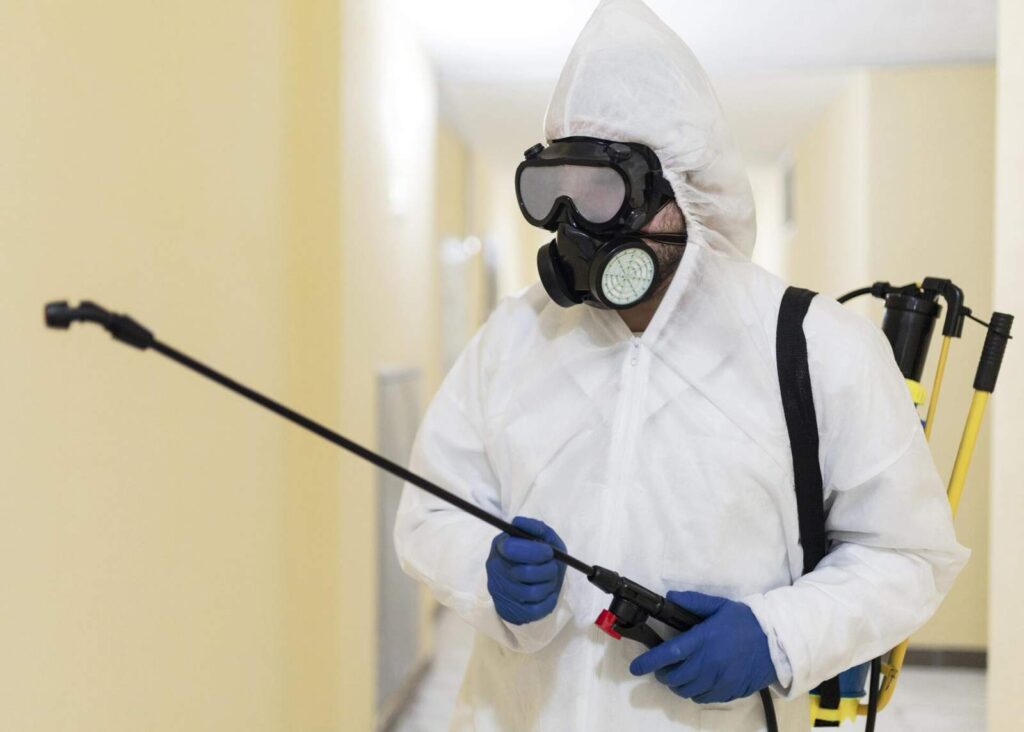
What Causes Pest Infestations in Homes?
The most common pest infestation causes come down to three key factors: food, moisture, and shelter. When these elements are present, your home becomes an ideal environment for pests to survive and multiply.
Food sources are one of the biggest triggers. Crumbs, unsealed pantry items, garbage, and even pet food can attract insects like ants and cockroaches. Once pests find a reliable food source, they keep returning and often bring others.
Moisture is another major factor. Leaky pipes, damp basements, and high humidity levels create perfect conditions for pests. Many species, including cockroaches and rodents, thrive in moist environments.
Shelter is the third piece. Cluttered storage areas, insulation, and hidden spaces inside walls provide safe nesting spots. In Barrie, colder months push pests indoors, making homes even more attractive as shelter.
Why Do Pest Problems Start Even in Clean Homes?
A clean home can still experience a pest problem in Barrie. Pests don’t just look for dirt they look for survival conditions. Hidden moisture behind walls, small food particles under appliances, and undetected entry points can all lead to infestations, even in well-maintained homes.
How Do Pests Get Inside Your Home?
Understanding how pests get inside is critical to prevention. Most pests don’t need large openings. In fact, many can enter through gaps you wouldn’t even notice.
Common entry points include cracks in the foundation, gaps around windows and doors, roof vents, and openings around plumbing or utility lines. Over time, normal wear and tear creates these small access points.
Once pests find a way in, they often use the same route repeatedly. This makes it easier for an infestation to grow quickly without being noticed.
What Are the Most Common Pest Entry Points?
- Gaps in the basement or foundation
- Rooflines and attic vents
- Garage doors and weather stripping
- Window and door seals
- Openings around pipes and cables
How Small of a Gap Do Pests Need?
It doesn’t take much. Mice can squeeze through openings as small as a coin, while insects can enter through nearly invisible cracks. This is why sealing entry points is one of the most important steps in pest prevention.
What Attracts Pests Indoors?
If you’re wondering what attracts pests, it always comes back to basic needs: food, water, and shelter.
Food is the most obvious attractant. Leftover crumbs, grease, and exposed food containers invite pests inside. Even small amounts can be enough to start an infestation.
Water is just as important. Standing water, leaks, and condensation create ideal conditions for pests to survive. Without moisture, many pests cannot thrive.
Shelter provides protection. Warm indoor environments, especially during colder months in Barrie, make homes attractive to pests seeking safety.
Why Do Pests Suddenly Appear in Homes?
Pests often seem to appear suddenly, but the reality is different. Seasonal changes, nearby construction, and weather shifts can drive pests indoors. When outdoor conditions become harsh, pests move inside quickly, making it seem like they appeared overnight.
What Smells or Conditions Attract Pests the Most?
Garbage, food residue, organic waste, and moisture-heavy areas are the strongest attractants. Even something as simple as an unclean drain or food scraps can trigger a pest invasion.
Where Do Pest Infestations Usually Start?
Most pest infestations begin in areas where conditions are ideal for survival. These are typically hidden, quiet spaces where pests can nest undisturbed.
Kitchens are one of the most common starting points because they provide easy access to food and warmth. Basements are another hotspot due to moisture and limited activity. Attics offer shelter and insulation, making them ideal for rodents and wildlife.
Wall voids are especially dangerous because infestations can grow without detection. By the time signs appear, the problem is often well established.
Why Do Kitchens and Basements Attract Pests First?
Kitchens provide food and heat, while basements offer moisture and shelter. These conditions create the perfect environment for pests to settle and reproduce.
Why Do Pest Problems Spread So Quickly?
Once a pest infestation begins, it rarely stays small. The main reason is rapid reproduction. Many pests multiply quickly, turning a minor issue into a serious problem in a short time.
Another factor is hidden nesting. Pests often live in walls, attics, or behind appliances, making them hard to detect. Without early intervention, they continue to spread unnoticed.
How Fast Can a Pest Infestation Grow?
Growth speed depends on the pest type, but it can be surprisingly fast. A few rodents can turn into a larger infestation within weeks, while insects like ants or cockroaches can multiply even faster under the right conditions.
What Happens If You Ignore a Pest Infestation?
Ignoring a pest problem allows it to grow and cause serious damage. What starts as a small issue can quickly escalate into structural, health, and financial concerns.
Rodents can chew through wiring, insulation, and wood, leading to costly repairs. Insects can contaminate food and spread bacteria. Wildlife can damage roofs and attics while creating unsafe conditions.
Health risks are another major concern. Pests can carry allergens, bacteria, and parasites that affect indoor air quality and overall health.
Can a Small Pest Problem Turn Into a Major Infestation?
Yes. Even a small number of pests can lead to a full infestation if left untreated. Early detection and action are essential to preventing long-term damage.
How to Stop Pest Infestations Early
Stopping pest infestations early requires a proactive approach. Addressing the root causes can prevent pests from entering and settling in your home.
1. Seal All Entry Points
Inspect your home for cracks, gaps, and openings. Seal foundation cracks, repair window seals, and install proper weather stripping to block entry points.
2. Eliminate Food Sources
Store food in sealed containers, clean up crumbs, and take out garbage regularly. Keeping food sources unavailable reduces attraction.
3. Control Moisture Levels
Fix leaks, improve ventilation, and use dehumidifiers in damp areas. Reducing moisture makes your home less appealing to pests.
4. Reduce Clutter and Nesting Areas
Declutter storage spaces, organize basements, and avoid leaving materials where pests can nest.
5. Schedule Professional Inspections
Regular inspections help identify problems early. Professional pest control services can detect hidden issues and prevent infestations before they start.
FAQs
How do pest infestations start?
Pest infestations start when pests find access to food, moisture, and shelter inside a home. They enter through small gaps or cracks and begin nesting. Once inside, they reproduce quickly, which allows the infestation to grow rapidly if not addressed early.
Why do pests suddenly appear in homes?
Pests often appear suddenly due to seasonal changes, weather shifts, or nearby construction. These factors force pests to move indoors in search of food and shelter. What seems sudden is usually the result of hidden activity that has been building over time.
Can a clean home still get pests?
Yes, even clean homes can experience pest problems. Pests are attracted to survival conditions, not just dirt. Hidden moisture, small food sources, and unnoticed entry points can all lead to infestations, regardless of how clean a home appears.
How fast do infestations spread?
The speed of an infestation depends on the pest type. Rodents can multiply within weeks, while insects like cockroaches and ants can spread even faster. Without early intervention, infestations can grow rapidly and become much harder to control.
What causes pest problems in houses?
The main causes include food availability, moisture, shelter, and easy access into the home. These conditions create the perfect environment for pests to survive and reproduce, leading to ongoing infestations if not properly managed.