
Why Are Garages Such a Common Pest Entry Zone?
Garages are common pest entry points because they are usually less protected than finished living spaces. The garage door opens often, the floor is close to outdoor ground level, and gaps around doors or walls may go unnoticed for months.
Pests do not need a large opening to get inside. Mice, ants, spiders, cockroaches, flies, and overwintering insects can use small cracks, loose seals, or damaged weatherstripping to enter the garage. Rodents may also squeeze through small gaps near the bottom corners of the garage door or around utility lines.
Why do pests enter garages before entering the rest of the home?
Pests often enter garages first because garages offer a mix of shelter and access. During colder months, rodents and insects may look for warmth. During wet weather, they may look for dry hiding spots. During warmer seasons, pests may follow food odours, garbage, moisture, or nesting opportunities.
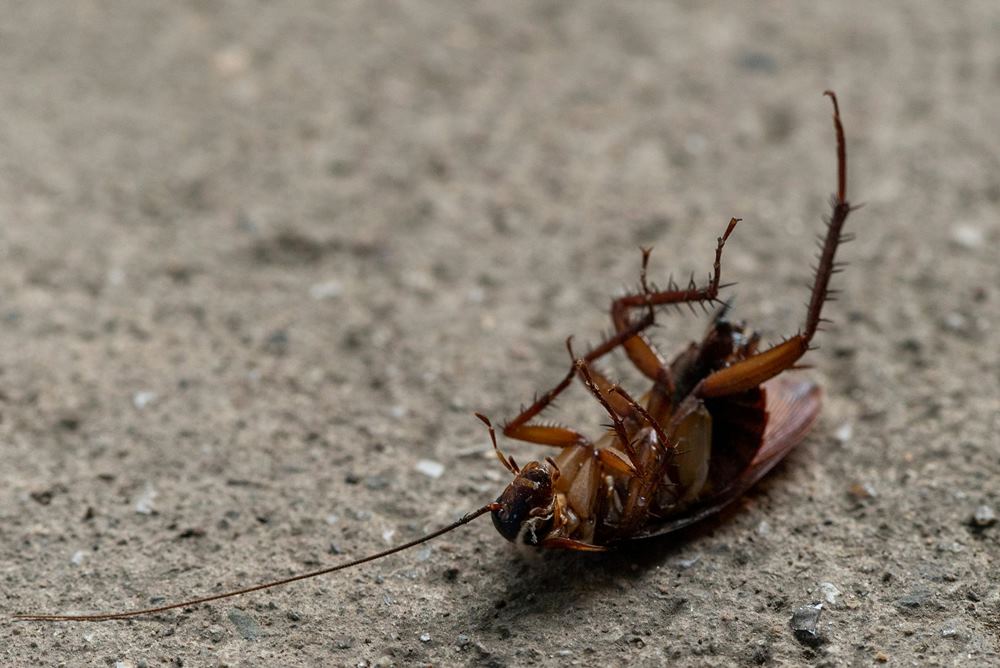
Attached garages are especially important because they share walls, ceilings, or doors with the main home. A pest problem that starts in the garage can spread if pests find a way into the basement, kitchen, wall voids, or utility areas.
Common reasons pests enter garages include:
- Warmth and shelter during seasonal weather changes
- Garage door gaps and worn weatherstripping
- Stored food, pet food, birdseed, or garbage bins
- Cluttered corners and cardboard storage
- Moisture from leaks, snowmelt, drains, or damp concrete
- Easy access to interior doors, utility openings, and wall spaces
For homeowners, the garage should be treated as part of the home’s pest prevention plan, not as a separate outdoor storage area. Regular inspection and cleaning can help reduce pest activity before it becomes harder to control.
What Garage Entry Points Let Pests Inside?
Garage pests usually enter through small openings that are easy to miss. Some gaps are visible from outside, while others are hidden behind shelving, stored items, trim, pipes, vents, or damaged seals.
A garage may look closed from a distance, but small spaces around the bottom of the door, side corners, foundation edges, or window frames can still allow pests inside. This is why garage pest prevention should include both exterior and interior inspections.
How do garage door gaps attract rodents and insects?
Garage door gaps are one of the most common pest entry points. Over time, bottom seals can crack, flatten, shift, or pull away from the floor. When this happens, rodents and insects may enter underneath or around the corners of the door.
A damaged garage door seal can also let in cold air, moisture, leaves, and debris. These conditions may attract insects and create areas where pests can hide.
Homeowners can do a simple daylight check:
- Close the garage door during the day.
- Stand inside the garage with the lights off.
- Look for daylight under the door or around the corners.
- Check whether the seal touches the floor evenly.
- Inspect both sides of the door frame for gaps.
If light can pass through, pests may be able to enter as well.
Why are damaged seals, side doors, windows, vents, and cracks a problem?
Garage entry points are not limited to the overhead door. Pests may also enter through side doors, windows, vents, cracks, and utility openings. These areas often age, shift, or break down over time.
Common garage pest entry points include:
- Worn bottom garage door seals
- Gaps around weatherstripping
- Side door thresholds
- Cracked concrete near the foundation
- Spaces where walls meet floors
- Window frames and damaged screens
- Vents without proper screening
- Gaps around pipes, cables, and utility lines
- Openings behind shelving or stored items
These entry points can allow rodents, ants, cockroaches, spiders, flies, and overwintering insects into the garage. Once inside, pests may stay hidden behind boxes, along walls, under storage shelves, or near warm mechanical areas.
A practical prevention plan should include sealing small gaps, replacing damaged weatherstripping, repairing screens, and checking around utility openings. When entry points are hard to find or pests keep returning, a professional pest control inspection can help identify where activity is coming from.
How Does Garage Clutter Create Pest Hiding and Nesting Areas?
Clutter makes garages more attractive to pests because it creates dark, quiet, protected areas where they can hide. Many garages contain boxes, tools, seasonal decorations, sports equipment, old furniture, recycling, or unused household items. These materials can block inspection areas and make pest activity harder to notice.
For rodents and insects, clutter offers protection from people, pets, light, and temperature changes. It can also provide nesting materials such as paper, cardboard, fabric, insulation, and soft packaging.
Why do cardboard boxes and stored items attract pests?
Cardboard boxes are a common problem in garage pest control. They can absorb moisture, hold odours, and create warm hiding spaces. Rodents may chew cardboard for nesting material, while insects may hide in folds, seams, and stacked storage areas.
Stored items can also hide early warning signs, including:
- Droppings
- Gnaw marks
- Insect trails
- Shed insect skins
- Nesting material
- Webbing
- Dead insects
- Unusual odours
- Chewed packaging
When these signs are hidden behind clutter, a small pest issue can continue for weeks or months before the homeowner notices it.
What garage storage habits make pest problems harder to spot?
The way items are stored can either help or hurt garage pest prevention. Storing boxes directly on the floor or tightly against walls gives pests more cover. It also makes it harder to inspect corners, baseboards, and wall-floor joints.
Better storage habits include:
- Using sealed plastic bins instead of cardboard boxes
- Keeping stored items off the floor when possible
- Leaving space between storage and walls
- Organizing seasonal decorations in tight containers
- Removing unused paper, fabric, and packaging
- Checking old furniture, cushions, and bags before storing them
- Keeping recycling organized and cleaned
- Avoiding long-term storage of open or damaged items
Homeowners should also inspect stored items before bringing them into the house. Pests may hide in boxes, bags, decorations, or tools and move from the garage into living areas.
A cleaner garage does not guarantee pests will never enter, but it makes pest activity easier to spot and reduces the hiding places pests depend on. Combined with sealing entry points and removing attractants, organized storage is an important part of home pest prevention.
What Food and Waste Attract Pests to Garages?
Food and waste are major reasons garages become active pest areas. Even when the garage does not look dirty, small food odours, spills, crumbs, and open containers can attract rodents and insects.
Many homeowners use garages to store garbage bins, recycling, pet food, birdseed, grass seed, pantry overflow, and bulk household items. If these materials are not sealed properly, they can turn the garage into a reliable food source for pests.
Can garbage bins, pet food, and birdseed cause garage pest problems?
Yes. Garbage bins, pet food, birdseed, and similar stored items can attract mice, rats, ants, cockroaches, flies, and pantry pests. Rodents may chew through bags, insects may follow odours, and flies may gather around residue in bins.
Common garage attractants include:
- Garbage bins with loose lids
- Recycling containers with food residue
- Open pet food bags
- Birdseed or grass seed
- Pantry overflow
- Spilled drinks or food
- Compost containers
- Unsealed dry goods
- Food packaging left in vehicles
Pet food and birdseed are especially common rodent attractants. A bag left on the floor can be easy for mice or rats to access. Once rodents find a steady food source, they may return often and start nesting nearby.
Why should homeowners avoid storing pantry overflow in the garage?
Pantry overflow can attract pests when dry goods are stored in paper, cardboard, plastic bags, or thin packaging. Items such as cereal, flour, rice, pasta, snacks, and bulk food products may be vulnerable if they are not stored in sealed containers.
Garages can also have temperature changes and moisture issues. These conditions may damage packaging and make stored food easier for pests to reach.
To reduce food-related garage pest problems:
- Store pet food, birdseed, and dry goods in sealed, hard-sided containers.
- Keep garbage and recycling lids closed tightly.
- Rinse recycling before placing it in the garage.
- Sweep spills and crumbs quickly.
- Avoid leaving food packaging inside parked vehicles.
- Remove expired or damaged pantry items.
- Keep compost outdoors in a secure container when possible.
Good garage pest control is not only about treatment. It also depends on removing the conditions that keep pests coming back.
Why Does Moisture Make Garages More Attractive to Pests?
Moisture is another reason garages become a pest entry zone. Many pests need water to survive, and damp areas can support insect activity, nesting, mould growth, and hidden pest movement.
Garages often collect moisture from rainwater, snowmelt, floor drains, plumbing leaks, condensation, wet tools, and damp storage items. In Ontario homes, seasonal weather can make this problem worse. Snow and rainwater may run under the garage door, collect near walls, or soak cardboard boxes and stored items.
How do leaks, drains, and damp corners support pest activity?
Leaks, floor drains, and damp corners can attract pests that prefer moist environments. Cockroaches, ants, flies, spiders, and some overwintering insects may gather near moisture sources. Rodents may also use damp, cluttered areas for shelter if food and nesting materials are nearby.
Common moisture sources in garages include:
- Floor drains
- Plumbing leaks
- Damp concrete
- Condensation
- Poor ventilation
- Rainwater runoff
- Snowmelt near the garage door
- Wet cardboard
- Damp corners behind shelving
- Water pooling near exterior walls
Moisture can also weaken storage materials. Wet cardboard, paper, and fabric can become easier for pests to chew, hide in, or use for nesting.
Why do snow, rainwater, and poor ventilation increase pest risk?
Snow, rainwater, and poor ventilation increase pest risk because they create damp areas that are not always cleaned right away. During colder months, garages may also become warmer than outdoor areas, making them attractive to rodents and insects looking for shelter.
Homeowners can reduce moisture-related pest issues by:
- Fixing plumbing leaks quickly
- Keeping gutters and exterior drainage working properly
- Clearing snow buildup near garage doors
- Improving airflow where possible
- Removing wet cardboard and damaged storage
- Drying damp corners after storms or snowmelt
- Checking the garage door seal for water entry
- Keeping stored items away from damp walls
Moisture control supports stronger home pest prevention. When the garage stays dry, clean, and easier to inspect, pests have fewer reasons to settle there.
What Pests Commonly Use Garages to Enter Homes?
Several pests commonly use garages as entry points because garages offer shelter, food, moisture, and access to the rest of the house. Some pests stay in the garage, while others move into basements, kitchens, utility rooms, ceilings, or wall spaces.
The most common garage pests include rodents, ants, spiders, cockroaches, flies, wasps, beetles, and overwintering insects. The type of pest often depends on the season, nearby conditions, food sources, moisture, and available entry points.
Why are mice and rats often found in garages?
Mice and rats are often found in garages because they can use small openings near doors, walls, vents, and utility lines. They may enter looking for warmth, food, nesting material, or a protected place to hide.
Signs of rodents in the garage may include:
- Droppings along walls or near storage
- Gnaw marks on boxes, bags, or wiring
- Shredded paper, fabric, or insulation
- Scratching sounds
- Greasy rub marks along edges
- Chewed pet food or birdseed bags
- Unusual odours
- Nesting material behind stored items
Rodents in the garage should be taken seriously because they can move into wall spaces, basements, kitchens, and other areas of the home. Sealing entry points and removing food sources are important, but active rodent problems often need professional inspection and treatment recommendations.
What insects are commonly found in garages?
Garages can attract many insects because they provide dark corners, moisture, shelter, and access through small openings. Some insects enter by crawling under doors, while others fly in when doors are open.
Common insects in garages include:
- Ants following food, moisture, or trails from outside
- Spiders gathering where other insects are present
- Cockroaches hiding in warm, dark, damp areas
- Flies attracted to garbage, recycling, and spills
- Wasps nesting near eaves, vents, or garage openings
- Beetles hiding around stored goods or outdoor items
- Overwintering insects gathering in cracks during seasonal changes
- Pantry pests when food or dry goods are stored nearby
Not every insect in the garage means there is a major infestation. However, repeated sightings, insects spreading indoors, or activity near food, moisture, or storage areas can be a sign that conditions need attention.
A qualified pest control professional can help identify the pest, locate entry points, and recommend prevention steps based on the specific problem.
How Do Pests Move From the Garage Into Living Areas?
A garage pest problem does not always stay in the garage. In attached homes, pests may move from the garage into basements, kitchens, laundry rooms, utility areas, ceilings, and wall spaces. This can happen through small gaps that homeowners rarely notice.
Garages often connect to the home through shared walls, interior doors, pipes, vents, electrical lines, and framing gaps. Once pests find shelter or food in the garage, they may explore nearby areas and move deeper indoors.
Can pests travel from the garage into basements, kitchens, and walls?
Yes. Pests can move from the garage into the home through interior access points. Rodents may travel along walls, behind appliances, through utility openings, or into basement areas. Insects may follow cracks, plumbing lines, warm spaces, moisture, or food odours.
Common movement points include:
- The door between the garage and home
- Gaps around door frames and thresholds
- Basement access points
- Utility openings around pipes and cables
- Cracks near trim or baseboards
- Wall voids and ceiling spaces
- Openings around vents or mechanical systems
- Stored items brought from the garage into living areas
This is why garage pest prevention matters. A small opening in the garage can become the first step in a larger pest problem inside the home.
Why should garage pest problems be handled before they spread?
Garage pest problems should be handled early because pests are easier to manage before they move into hidden interior areas. Once rodents or insects reach wall spaces, kitchens, basements, or storage rooms, activity may become harder to locate and control.
Homeowners should watch for early warning signs such as:
- Droppings near walls or storage
- Gnaw marks on boxes, bags, or wood
- Ant trails near doors or baseboards
- Spiders gathering in corners
- Cockroach activity near damp or dark areas
- Flies around garbage or recycling
- Wasp activity near garage openings
- Sounds from walls or ceilings
- Unusual odours near stored items
If pests are seen in both the garage and living areas, the issue may involve more than one entry point. In that case, professional pest control can help with pest identification, inspection, entry point review, and treatment recommendations.
How Can Homeowners Prevent Garage Pest Problems?
Homeowners can reduce garage pest problems by focusing on three areas: entry points, attractants, and hiding spaces. The goal is to make the garage less accessible and less inviting to rodents, insects, and other pests.
A prevention plan does not need to be complicated. Small maintenance steps can make a major difference when they are done consistently.
What simple garage pest prevention steps work best?
The best garage pest prevention steps are practical, repeatable, and focused on the conditions pests use to survive. Homeowners should inspect the garage regularly, especially during seasonal changes, heavy rain, snowmelt, or increased pest activity outdoors.
Use this garage pest prevention checklist:
- Replace worn or damaged garage door seals.
- Seal cracks, gaps, and openings around utility lines.
- Repair damaged weatherstripping around side doors.
- Keep pet food, birdseed, and dry goods in sealed containers.
- Keep garbage and recycling clean, closed, and organized.
- Sweep floors, corners, and storage areas regularly.
- Reduce clutter and remove unused cardboard boxes.
- Keep stored items off the floor where possible.
- Fix leaks and dry damp corners quickly.
- Check vents, windows, and screens for damage.
- Keep vegetation, debris, and firewood away from garage walls.
- Inspect seasonal decorations before bringing them indoors.
When should homeowners contact a pest control professional?
Homeowners should contact a pest control professional when pests keep returning, activity spreads indoors, or entry points are difficult to find. Professional support is also important when there are signs of rodents, cockroaches, wasps, or hidden nesting areas.
It may be time to call for professional pest control services if you notice:
- Recurring rodents in the garage
- Droppings, gnaw marks, or nesting material
- Ant trails that keep returning
- Cockroaches in dark or damp areas
- Wasps near garage openings, vents, or eaves
- Insects spreading from the garage into the home
- Pest activity around stored food, pet food, or birdseed
- Multiple gaps, cracks, or damaged seals
- Activity that continues after cleaning and sealing
FAQs about Garages as a Pest Entry Zone
Why is my garage a pest entry zone?
Your garage may be a pest entry zone because it has gaps, damaged seals, clutter, moisture, stored food items, garbage bins, or access points leading into the rest of the home. Garages are also opened often, which gives pests more chances to enter.
How do I stop rodents from entering my garage?
To help stop rodents from entering your garage, seal gaps around the garage door, replace worn weatherstripping, repair cracks, store pet food and birdseed in sealed containers, remove clutter, and inspect walls and corners regularly. If rodent signs continue, contact a pest control professional.
What insects are most common in garages?
Common garage insects include ants, spiders, cockroaches, flies, wasps, beetles, and overwintering insects. These pests may enter through garage door gaps, cracks, vents, windows, side doors, or stored items brought in from outside.
Can pests in the garage spread into the house?
Yes. Pests in the garage can spread into the house through interior doors, wall spaces, utility openings, basement connections, trim gaps, and stored items. Attached garages should be inspected as part of the home’s overall pest prevention plan.
When should I call a pest control company for garage pests?
You should call a pest control company when pests keep returning, rodents are present, insects spread indoors, nesting signs appear, or you cannot find the entry points. Professional pest control can help with inspection, pest identification, prevention planning, and treatment recommendations.