
Why Are Kitchens One of the Most Attractive Areas for Pests?
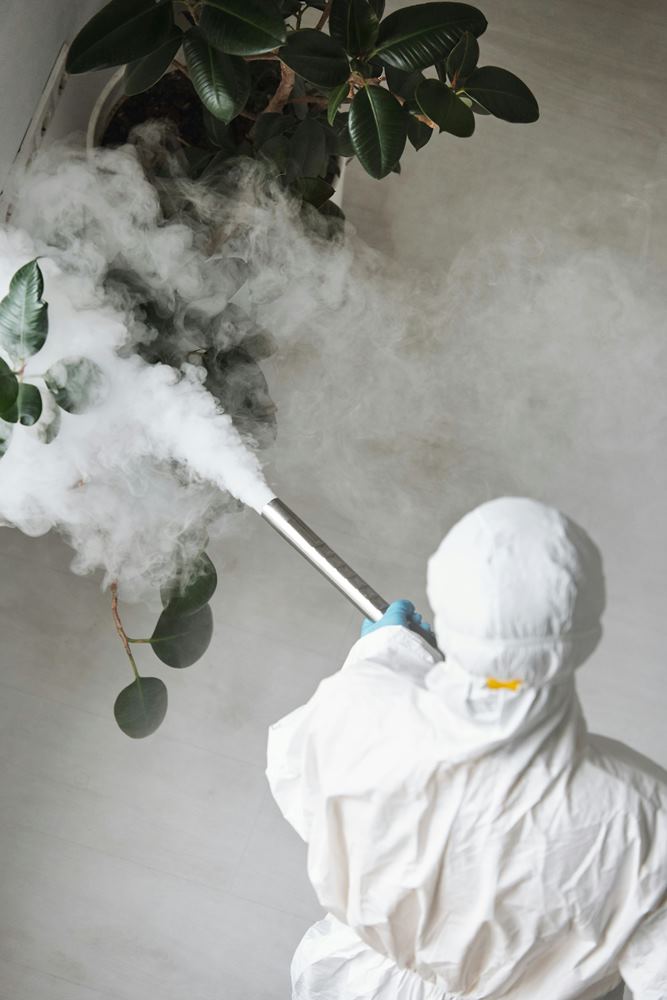
A kitchen gives pests almost everything they need to survive. It has food residue, water sources, warm appliances, garbage, packaging, and quiet hiding places. That is why pests often show up in kitchens before other rooms.
Ants may follow a trail to sugar or grease on a counter. Cockroaches may hide near drains, cabinets, or appliances. Rodents may search for crumbs, pet food, or nesting materials. Pantry pests may spread through dry goods such as flour, rice, cereal, or pasta.
What makes kitchens different from other rooms in the home?
Most rooms may offer shelter, but kitchens offer shelter plus food and moisture. That combination makes them especially attractive.
Common kitchen attractants include:
- Crumbs under the stove or refrigerator
- Grease around cooking areas
- Dirty dishes in the sink
- Open pantry packages
- Pet food left out overnight
- Leaking pipes under the sink
- Garbage, compost, and recycling odours
- Gaps around pipes, walls, doors, or baseboards
A kitchen does not need to be visibly dirty to attract pests. Small food particles, sticky residue, or damp areas can be enough to support pest activity.
Why do pests keep returning to the kitchen?
Pests often return when the source of the problem has not been removed. Spraying visible insects or setting traps may reduce activity for a short time, but it may not address hidden food sources, moisture, nests, or entry points.
For example, ants may keep returning if food residue remains near a cabinet seam. Cockroaches may continue hiding behind appliances if grease and moisture are present. Mice may keep entering if gaps around pipes or walls remain open.
Recurring kitchen pests can point to a deeper issue, such as:
- A hidden food source
- A leak or damp cabinet
- Poor garbage management
- Infested pantry items
- Unsealed gaps or cracks
- Pest activity behind walls or appliances
This is why effective pest control focuses on inspection, prevention, sanitation, exclusion, and treatment recommendations when needed.
How Do Food Crumbs, Spills, Grease, and Pantry Items Attract Kitchen Pests?
Food is one of the biggest reasons pests enter kitchens. Pests do not need large amounts of food to survive. A few crumbs, a small spill, or residue inside packaging can attract insects and rodents.
Many kitchen pest problems begin in areas homeowners do not check every day. Crumbs can collect under appliances. Grease can build up beside the stove. Dry goods can sit open in pantries. Pet food can remain available overnight.
Why do crumbs and spills attract pests so quickly?
Crumbs and spills are easy food sources for many pests. Ants, cockroaches, flies, mice, and pantry pests can all be attracted to small amounts of food.
High-risk areas include:
- Under the stove
- Behind the refrigerator
- Around the toaster
- Along baseboards
- Under kitchen tables
- Inside lower cabinets
- Near garbage bins
- Around pet feeding areas
Sticky spills are also a common issue. Juice, syrup, sauces, and soft drink residue can attract ants and flies. Greasy residue can attract cockroaches and other insects.
A simple daily wipe-down helps, but deep cleaning matters too. Pulling out appliances when possible and cleaning underneath them can reduce hidden food sources.
How does grease create a kitchen pest problem?
Grease is easy to overlook because it can build slowly. It may collect on stovetops, range hoods, backsplashes, cabinet edges, floors, and appliance sides.
Cockroaches are especially drawn to grease and organic residue. Grease can also trap crumbs and dust, creating a larger food source over time.
Homeowners can reduce this risk by cleaning:
- Stovetops after cooking
- Range hood filters
- Backsplashes
- Counter edges
- Cabinet handles
- Floors near cooking areas
- The sides of stoves and refrigerators
Grease control is an important part of kitchen pest control because it removes a food source that many pests can use.
Why are open pantry items a common pest control issue?
Open pantry items can attract ants, rodents, pantry moths, beetles, and weevils. Dry foods may seem safe, but many pantry pests live and spread inside stored products.
Common at-risk pantry items include:
- Flour
- Rice
- Cereal
- Pasta
- Baking mixes
- Crackers
- Nuts and seeds
- Pet food
- Bird seed
- Dried fruit
Food storage pest control starts with proper containers. Thin plastic bags, cardboard boxes, and loosely folded packages may not keep pests out. Airtight containers are more reliable for long-term storage.
Homeowners should also check pantry shelves for damaged packaging, webbing, small beetles, larvae, or fine powder near dry goods. If a stored food item appears infested, it should be removed and discarded safely.
Can dirty dishes and pet food attract pests overnight?
Yes. Dirty dishes and pet food can attract pests overnight, especially when the kitchen is quiet and dark.
Food residue on plates, pots, utensils, and sinks can attract ants, cockroaches, flies, and rodents. Pet food is another common attractant because it is rich in protein and easy for pests to access.
Helpful habits include:
- Wash dishes before bedtime.
- Wipe counters after food preparation.
- Rinse food residue from the sink.
- Store pet food in sealed containers.
- Remove uneaten pet food overnight.
- Sweep around pet bowls daily.
These small steps can make a major difference, especially for homeowners dealing with recurring pests in the kitchen.
Why Do Moisture, Drains, and Appliances Increase Kitchen Pest Activity?
Food attracts pests, but moisture helps them stay. Many pests need water to survive. This makes sink areas, drains, dishwashers, refrigerators, and damp cabinets important places to inspect.
A kitchen may look clean but still have pest activity if moisture is present behind or under surfaces. Small leaks can support pests for weeks or months before homeowners notice a visible problem.
Why is moisture important to kitchen pests?
Moisture is a major survival need for ants, cockroaches, flies, rodents, and other pests. Cockroaches often prefer damp, dark areas. Ants may search for water during dry weather. Flies can breed around organic buildup in drains or damp waste areas. Rodents may also use kitchens because food and water are close together.
Moisture problems can come from:
- A slow leak under the sink
- Condensation near pipes
- Food buildup in drains
- Water around the dishwasher
- A refrigerator drip tray issue
- Damp cleaning cloths or sponges
- Poor ventilation
- Wet garbage or compost containers
Because many moisture sources are hidden, homeowners may not connect them to pest activity right away.
Which kitchen moisture sources should homeowners check?
Homeowners should check moisture-prone areas regularly, especially if pests keep returning.
Important areas include:
- Under the kitchen sink
- Around drain pipes
- Behind the dishwasher
- Around the refrigerator
- Near the ice maker line
- Beneath sink mats or stored items
- Around garbage and compost bins
- Inside lower cabinets
- Near windows with condensation
A damp cabinet under the sink can become a strong attraction for pests. Stored cleaning products, bags, and clutter can also hide leaks or pest activity.
How can poor ventilation make kitchen pest problems worse?
Poor ventilation can increase dampness, odours, and condensation. When air does not move well, moisture can collect inside cabinets, behind appliances, or around plumbing.
This can make the kitchen more attractive to pests and harder to monitor. Damp areas may also create odours that draw insects toward drains, garbage bins, or food waste.
To reduce moisture problems:
- Repair leaking pipes promptly.
- Keep under-sink areas dry and uncluttered.
- Clean drains to remove organic buildup.
- Check dishwashers and refrigerators for leaks.
- Improve airflow in damp cabinets.
- Dry wet counters, floors, and sink areas quickly.
- Replace damaged caulking where needed.
Moisture control is a key part of home pest prevention. When food and water sources are reduced together, the kitchen becomes much less attractive to pests.
What Simple Kitchen Pest Prevention Steps Can Homeowners Follow?
Kitchen pest prevention works best when homeowners reduce food, water, shelter, odours, and entry points at the same time. Cleaning alone may not solve every pest issue, but it is one of the most important first steps.
The goal is to make the kitchen less attractive and less accessible to pests. Small daily habits can help prevent ants, cockroaches, rodents, flies, pantry pests, and other common household pests from settling in.
How can homeowners reduce food sources in the kitchen?
Food residue is one of the strongest pest attractants. Even small crumbs or sticky spots can support pest activity.
Helpful prevention steps include:
- Wipe counters after preparing food.
- Sweep or vacuum kitchen floors daily.
- Clean under the stove and refrigerator when possible.
- Wash dishes before bedtime.
- Store dry goods in sealed containers.
- Keep pet food sealed when not in use.
- Remove uneaten pet food overnight.
- Clean grease from stovetops, backsplashes, and range hoods.
Homeowners should also check areas that are easy to miss, such as toaster trays, cabinet corners, pantry shelves, and the floor under dining areas.
How can homeowners reduce moisture that attracts pests?
Moisture control is a major part of kitchen pest control. Pests are more likely to stay active when they can find water close to food and shelter.
To reduce kitchen moisture:
- Repair leaking pipes promptly.
- Dry the sink area after use.
- Check under the sink weekly.
- Clean drains to reduce organic buildup.
- Inspect dishwasher connections.
- Check around refrigerators and ice maker lines.
- Keep damp cloths, mops, and sponges from sitting wet.
- Improve airflow in damp cabinets.
A small leak under the sink may not seem urgent, but it can create the right conditions for ants, cockroaches, flies, and rodents.
How can homeowners pest-proof kitchen storage areas?
Pantries and cabinets need regular attention because pests can hide in stored food, packaging, and shelf corners.
Homeowners can pest-proof kitchen storage by:
- Using airtight containers for flour, rice, cereal, pasta, and baking ingredients
- Checking dry goods before storing them
- Rotating older pantry items to the front
- Removing expired food
- Cleaning shelves and corners
- Avoiding long-term storage in thin plastic bags or loose cardboard
- Keeping bulk pet food in sealed bins
- Looking for damaged packaging or small insects
If pantry pests are found, affected food should usually be discarded safely. The pantry should then be cleaned before new items are stored.
What weekly kitchen pest prevention checklist should homeowners follow?
A weekly checklist can help homeowners stay ahead of pest problems.
Use this simple kitchen pest prevention checklist:
- Empty garbage, compost, and recycling.
- Wash garbage and recycling bins if residue is present.
- Wipe counters, stovetops, backsplashes, and cabinet handles.
- Sweep and mop floors.
- Check under the sink for leaks or dampness.
- Inspect pantry items for damaged packaging or insects.
- Clean around pet food bowls.
- Look behind or under appliances when possible.
- Seal visible gaps around pipes, walls, or baseboards.
- Watch for droppings, odours, gnaw marks, or insect activity.
Why Might DIY Kitchen Pest Control Not Solve the Source of the Problem?
DIY kitchen pest control may help with a few visible pests, but it does not always solve the source of the problem. Many pests hide behind appliances, inside cabinets, under sinks, inside wall gaps, or near plumbing areas.
A spray, trap, or store-bought product may reduce what homeowners can see. However, the real issue may continue if food sources, moisture, entry points, nests, or infested pantry items remain.
Why do sprays and traps often provide only short-term results?
Sprays and traps often target visible activity. They may not reach hidden areas where pests live, travel, nest, or reproduce.
Short-term results can happen when:
- The pest was not identified correctly
- The entry point was not sealed
- Food residue remains available
- Moisture is still present
- Pantry items are still infested
- Rodents are entering from another part of the home
- Cockroaches are hiding behind appliances or cabinets
- Ant trails are active inside walls or baseboards
Why is pest identification important in kitchen pest control?
Correct pest identification matters because each pest needs a different control approach. Ants, cockroaches, mice, rats, flies, pantry moths, and beetles do not behave the same way.
For example:
- Ants may follow scent trails to food or water.
- Cockroaches may hide in warm, damp, dark spaces.
- Rodents may enter through small gaps and contaminate food areas.
- Pantry pests may live inside dry goods.
- Flies may come from drains, compost, garbage, or spoiled produce.
If the wrong pest is treated, the real source can remain active. A proper inspection helps determine where pests are coming from, what is attracting them, and what steps are needed next.
When should homeowners contact a pest control professional?
Homeowners should contact a pest control professional when kitchen pests keep returning, spread to multiple areas, or show signs of hidden activity.
It may be time to call for professional pest control services if you notice:
- Cockroaches in the kitchen
- Ant trails that keep returning
- Mice or rat droppings
- Gnaw marks on food packaging
- Scratching sounds in walls or ceilings
- Pantry moths, beetles, or larvae in dry goods
- Flies returning after cleaning
- Pest activity behind appliances
- Activity under sinks or inside cabinets
- DIY products not solving the problem
A qualified pest control professional can inspect the kitchen, identify the pest, check entry points, review sanitation concerns, and recommend a treatment and prevention plan.