
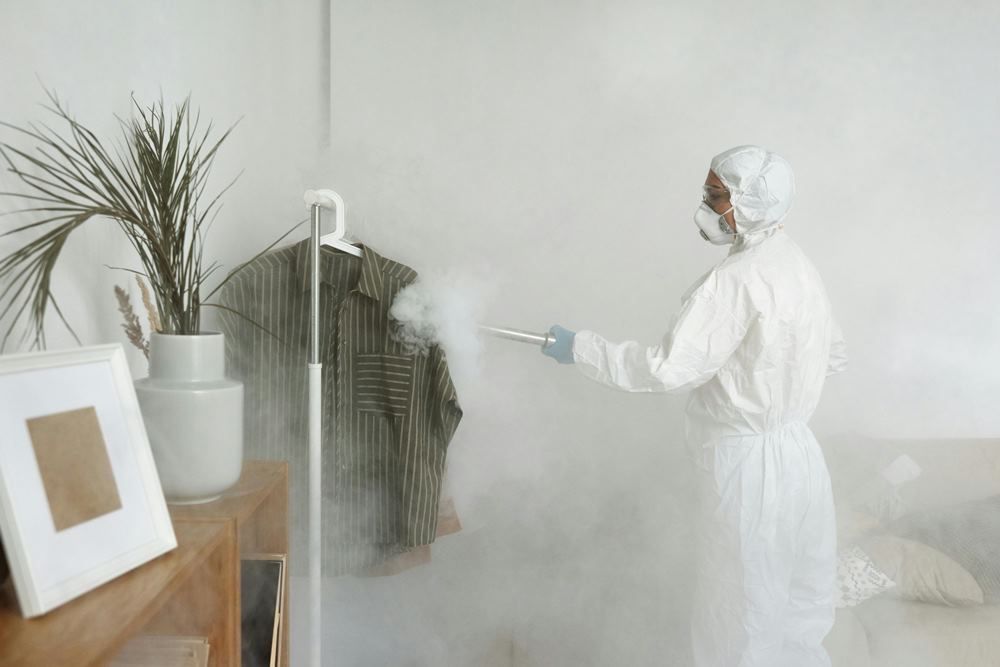
Why a Standard Home Inspection Can Miss Pest Problems
A general home inspection is not the same as a specialized pest inspection.
Home inspections are primarily visual assessments of accessible areas. Inspectors generally cannot open walls, remove ceilings, dismantle cabinets, or pull apart insulation simply to search for pests.
That matters because many pests stay hidden.
Mice and rats can travel behind cabinets, inside wall cavities, above ceilings, and beneath insulation. Carpenter ants can establish galleries inside damaged or moisture-affected wood. Squirrels, raccoons, bats, and birds may also occupy difficult-to-access areas of an attic.
A home inspector may identify visible warning signs and recommend further investigation. A pest professional can then focus specifically on the pest involved, likely activity areas, possible entry points, and treatment or exclusion needs.
For buyers, a real estate pest inspection in Bradford, ON can be especially useful when visible warning signs appear during a home inspection or walkthrough.
7 Pest Red Flags to Look for When Buying a Home in Bradford
1. Droppings
Droppings are one of the clearest signs that rodents or wildlife may have been active in a property.
Check accessible areas such as:
- Kitchen cabinets and pantry corners
- Basements
- Utility and furnace rooms
- Garages
- Attic access areas
- Around plumbing penetrations
Droppings may indicate mice, rats, or wildlife activity, but they do not always reveal whether the activity is current.
Do not unnecessarily touch, sweep, or disturb animal waste during a walkthrough.
If droppings appear together with gnaw marks, nesting material, odours, or nearby openings, professional rodent control or further inspection may be appropriate.
2. Gnaw Marks and Chewed Openings
Rodents regularly gnaw building materials.
Look around:
- Baseboards
- Cabinets
- Utility openings
- Garage walls
- Pipes
- Wall penetrations
- Door edges
Watch for:
- Chewed openings
- Damaged cabinet corners
- Gnawed trim
- Enlarged gaps around pipes
- Damage around garage doors or walls
A damaged baseboard alone does not prove that rodents are present.
Gnawing becomes more significant when it appears together with droppings, nesting material, travel marks, or nearby entry points.
3. Sawdust-Like Debris or Frass
Unexplained piles of wood debris can sometimes indicate insect activity.
Check exposed wood around:
- Basement beams
- Window frames
- Deck connections
- Crawl spaces
- Sill areas
- Moisture-damaged lumber
Carpenter ants excavate wood to create nesting galleries rather than eating the wood itself.
Professional ant control may be worth considering when wood debris appears together with recurring ant activity, moisture damage, or visible galleries.
Sawdust-like debris can also come from construction, renovations, or repairs, so buyers should avoid diagnosing carpenter ants based on debris alone.
Repeated debris appearing beneath the same damaged area is more concerning and deserves closer investigation.
4. Unexplained Wood Deterioration
Pay attention to wood that appears hollow, weakened, excavated, or unusually deteriorated.
Warning signs may include:
- Galleries or channels in wood
- Damaged sill plates
- Weak-looking structural lumber
- Repeated wood debris
- Deterioration without an obvious explanation
Not every damaged board indicates pests. Moisture, rot, previous repairs, and normal aging can create similar damage.
Concern increases when damaged wood appears together with insects, frass, droppings, moisture problems, or other pest evidence.
5. Rodent Travel Marks
Mice and rats often move along walls and other protected edges.
Frequently used routes may develop dark or greasy-looking marks.
Check along:
- Basement walls
- Baseboards
- Pipes
- Utility lines
- Garage walls
- Mechanical openings
A dark mark by itself means little. It becomes more relevant when combined with droppings, gnawing, nesting material, or a nearby opening.
6. Disturbed Attic Insulation
The attic can reveal rodent and wildlife activity that remains hidden elsewhere in the home.
From a safe access point, look for:
- Flattened insulation
- Repeated pathways
- Displaced insulation
- Nesting material
- Animal waste
- Damage near vents or soffits
Mice, squirrels, raccoons, birds, and other wildlife can disturb attic insulation.
Extensive activity may require more than animal removal. Depending on the condition of the attic, exclusion work, cleanup, insulation replacement, or repairs may also need to be considered.
Professional wildlife control can help assess activity and identify likely access points.
7. Unusual Odours
Strong or concentrated odours can sometimes indicate hidden pest activity.
Pay attention around:
- Basements
- Utility rooms
- Under-sink cabinets
- Garages
- Attic openings
- Crawl spaces
Plumbing problems, moisture, mould, stored materials, and poor ventilation can also create unusual smells.
The odour becomes more meaningful when it appears alongside other home inspection pest red flags.
Exterior Pest Red Flags to Check Before Buying
Do not limit the walkthrough to the inside of the house. Exterior openings can provide clues about how rodents or wildlife may be gaining access.
Foundation and Utility Gaps
Check where pipes, electrical cables, air-conditioning lines, vents, and other utilities enter the home.
Look for:
- Unsealed openings
- Damaged sealant
- Gaps around pipes or cables
- Cracks near penetrations
- Openings between different building materials
An opening does not prove pests are currently inside, but it deserves more attention when pest evidence is found nearby.
Soffits, Fascia and Roof Vents
Vulnerable roofline areas can provide access for squirrels, raccoons, birds, bats, and other wildlife.
From ground level, watch for:
- Loose soffits
- Damaged fascia
- Broken vents
- Roofline openings
- Gaps beneath roof edges
Roofline damage combined with disturbed insulation, nesting material, or animal waste is a stronger reason for professional inspection.
Decks and Attached Structures
Inspect areas where decks, porches, stairs, and other structures connect to the home.
Watch for:
- Damaged wood
- Moisture
- Structural openings
- Nesting material
- Insect activity
- Unexplained debris
These locations can provide shelter for pests and possible access to the building.
Pest Damage or Normal Wear?
Not every damaged board, crack, stain, opening, or pile of debris means pests are responsible.
The better approach is to look for patterns of related evidence.
For example:
- A scratched baseboard may simply be normal wear.
- A chewed baseboard beside droppings and a wall opening is more concerning.
- Sawdust near recent construction may have a harmless explanation.
- Repeated debris beneath damaged wood may indicate insect activity.
- Slightly compressed attic insulation may result from previous maintenance.
- Several pathways combined with animal waste may indicate rodents or wildlife.
One of the most useful Bradford home buyer tips is to evaluate several warning signs together instead of diagnosing a problem from one isolated clue.
Where Should Bradford Home Buyers Check First?
You do not need to inspect every centimetre of the property during a walkthrough.
Focus on areas where pests are more likely to leave visible evidence.
Basement
Check:
- Foundation walls
- Sill plates
- Exposed beams
- Utility penetrations
- Furnace areas
- Storage corners
- Unfinished sections
Look for droppings, gnaw marks, openings, wood debris, moisture damage, and staining.
Kitchen
Inspect accessible areas around:
- Under sinks
- Lower cabinets
- Pantry corners
- Kick plates
- Plumbing openings
- Areas beside appliances
Look for droppings, damaged food packaging, gnawing, insect activity, and openings around pipes.
Garage
Check:
- Garage-door edges
- Corners
- Shared walls
- Utility openings
- Storage areas
- Damaged weather stripping
Attached garages can provide rodents with a potential route toward other parts of the home.
Attic
From a safe access point, check for:
- Disturbed insulation
- Droppings
- Nesting material
- Damaged vents
- Open soffits
- Unexplained debris
Do not enter an attic if access is unsafe.
Exterior
Check:
- Foundation walls
- Utility penetrations
- Siding transitions
- Window and door edges
- Deck connections
- Soffits
- Fascia
- Visible roof vents
Exterior openings become more significant when they correspond with pest evidence found inside.
Professional Pest Inspection in Bradford
If several warning signs appear during a walkthrough, professional pest control in Bradford can provide a more focused assessment of accessible areas for rodent evidence, carpenter ants, wildlife activity, nesting areas, damaged insulation, and likely structural entry points.
A pest-focused inspection does not replace a general home inspection. Instead, it provides additional information when visible evidence suggests a pest problem deserves closer investigation.
When Pest Evidence Could Mean Building Damage
Finding pests does not automatically mean a home has structural damage.
Concern increases when pest activity appears alongside visible deterioration of important building components.
Look more closely when you see:
- Damaged joists or beams
- Deteriorated sill plates
- Extensive galleries in structural wood
- Moisture damage combined with carpenter-ant activity
- Repeated wildlife damage around the roofline
- Heavily affected attic insulation
A pest-control professional can assess pest activity and treatment needs. Significant damage to structural components may require separate assessment by an appropriate building professional.
Pest treatment does not automatically repair damage that has already occurred to the building.
What to Do If You Find Pest Red Flags Before Buying
Finding pest evidence does not automatically mean you should walk away from the property.
The goal is to understand the extent of the problem before taking ownership.
Document the Evidence
Note where you observed:
- Droppings
- Damaged wood
- Disturbed insulation
- Entry points
- Nesting material
- Other unusual evidence
Photos may also help a pest professional understand what was observed during the walkthrough.
Ask About Previous Pest Treatment
If you see traps, repaired openings, new insulation, monitoring equipment, or other signs of previous pest management, ask whether the property has previously received pest or wildlife treatment.
Useful questions include:
- What pest was treated?
- When was it treated?
- Were entry points repaired?
- Was contaminated material removed?
- Was follow-up treatment required?
- Is treatment documentation available?
Previous pest activity does not necessarily mean there is a current problem if the infestation was properly addressed and the entry points were corrected.
Arrange a Pest Inspection
Several related warning signs in the same part of the property are a good reason to arrange a real estate pest inspection in Bradford, ON.
A pest professional can assess accessible areas for evidence involving:
- Mice
- Rats
- Carpenter ants
- Squirrels
- Raccoons
- Bats
- Birds
- Other wildlife
Assess Building Damage Separately
If joists, beams, roof components, sill plates, or other structural materials appear damaged, additional assessment may be necessary.
Pest treatment and building repairs are separate issues.
Removing rodents, insects, or wildlife does not automatically repair wood, roofing, insulation, or other materials that have already been damaged.
Review Significant Findings Before Closing
If the purchase includes applicable inspection conditions, significant findings should be reviewed before those conditions are removed.
Depending on what is found, buyers may need to consider:
- Pest treatment
- Entry-point repairs
- Wildlife exclusion
- Waste cleanup
- Insulation replacement
- Moisture repairs
- Building repairs
Professional documentation can help buyers understand the likely scope of work instead of making decisions based on assumptions.
Why Get a Real Estate Pest Inspection in Bradford?
A home can look clean and well maintained while still having pest activity in concealed areas.
A pest-focused inspection may look specifically for:
- Droppings
- Gnaw marks
- Nesting material
- Frass
- Damaged wood
- Disturbed insulation
- Wildlife entry points
- Exterior openings
- Rodent travel marks
It can also help determine whether visible evidence appears current or historical and identify access points that may require sealing, exclusion, treatment, or further investigation.
A pest inspection does not replace a general home inspection. The two serve different purposes.
When pest warning signs are present, using both can provide buyers with a clearer understanding of the property before closing.
Bradford Home Buyer Pest Checklist
During a walkthrough, watch for:
- Droppings
- Gnaw marks
- Nesting material
- Sawdust-like debris or frass
- Damaged wood
- Moisture-damaged lumber
- Foundation gaps
- Utility openings
- Damaged soffits or fascia
- Broken roof vents
- Disturbed attic insulation
- Unusual odours
- Rodent travel marks
- Existing traps or monitoring equipment
- Fresh repairs around areas showing pest evidence
The key is not to diagnose the pest yourself.
Several related warning signs in the same area are a stronger reason for professional investigation than one isolated clue.
Book a Pre-Purchase Pest Inspection in Bradford
Discovering mice, carpenter ants, wildlife activity, damaged insulation, or open pest entry points after buying a home can create unexpected treatment and repair work.
Simcoe PestX can inspect accessible areas for common pest concerns affecting Bradford properties, including mice, rats, carpenter ants, squirrels, raccoons, bats, birds, and other wildlife.
A professional pest inspection can help identify visible evidence, likely access points, and areas that may require treatment, exclusion, cleanup, repair, or further assessment.
If pest activity appears hidden or difficult to identify, an experienced exterminator can illustrate the type of specialized pest assessment home buyers should consider when pest warning signs are found.
Buying a home in Bradford? Call Simcoe PestX to discuss a professional pre-purchase pest inspection before closing.