
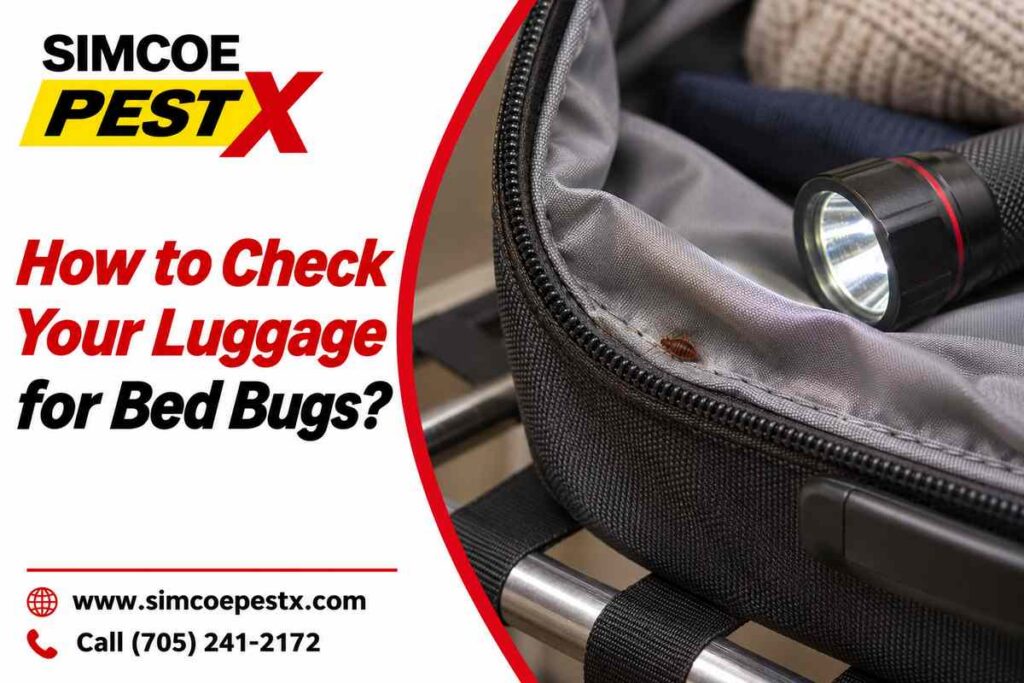
Where Should You Place Your Luggage Before Unpacking?
Coming back home after a vacation in winter involves bringing the suitcases directly to the bedroom. Nevertheless, it is wise to first check your luggage, especially after spending time in hotels and similar places, and a Barrie pest control expert can help if you find suspicious evidence.
The bugs can remain in your travel luggage, clothes, and personal possessions, and can travel to your home without your knowledge despite not seeing them during the trip.
Why Should You Inspect Your Suitcase Before Opening It Indoors?
Checking luggage prior to unpacking will help you avoid the possibility of introducing bed bugs into your living space.
Bed bugs can conceal themselves within cracks around suitcases, their zippers, and even inside their pockets. In case an infested suitcase is opened on a bed or sofa, a bed bug can move to other furniture or hiding spots nearby.
Avoid placing uninspected luggage directly on:
- Beds, pillows, or bedding
- Sofas and upholstered chairs
- Carpeted bedroom floors
- Clothing piles or other fabric items
Should You Inspect Your Luggage Outside or Inside Your Home?
Select a brightly lit area with a smooth and easily cleanable surface, ideally not in the bedroom or around upholstered furniture.
A good inspection location can be a tiled laundry room, bathroom, or even an uncluttered garage workbench.
For residents of Barrie and Simcoe County, inspecting luggage in cold weather may be uncomfortable or inconvenient. You don’t have to inspect your luggage outside if there’s an appropriate place inside your house.
In case of suspected exposure, leave the bag closed until you reach your inspection place. Do not carry any loose clothes or accessories from one room to another.
What Should You Prepare Before Checking Your Bags?
You only need a few basic items to inspect your luggage.
- Flashlight: Helps reveal insects and marks in dark corners.
- Sealable plastic bags: Keep suspicious clothing or belongings contained.
- Clear inspection surface: Makes small insects easier to notice.
- Phone camera: Helps document unusual insects, eggs, or stains.
- Magnifying glass (optional): Helps examine very small objects.
Health Canada also recommends examining luggage on a hard surface away from places where bed bugs could hide.
Where Do Bed Bugs Usually Hide in a Suitcase?
Follow these seven inspection steps:
- Check seams and stitching. Examine fabric edges, piping, and stitched joints. Shine your flashlight along the seams and look for insects or unusual marks.
- Inspect zippers and zipper tracks. Look closely at zipper ends, fabric surrounding the tracks, and spaces beneath zipper flaps.
- Open interior and exterior pockets. Check the corners of each compartment. Pay attention to small pockets that may have remained closed throughout your trip.
- Examine handles and straps. Inspect stitched attachment points, folded straps, and areas where handles connect to the suitcase.
- Look along fabric folds and linings. Carefully lift accessible folds and examine loose lining edges. Avoid tearing or damaging the suitcase.
- Inspect wheels and surrounding compartments. Check around wheel housings, supports, and other recessed areas where insects could remain hidden.
- Check hard-shell suitcase joints. Examine hinges, shell edges, recessed handles, and narrow gaps between connected components.
Use your flashlight from different angles. This may help you notice insects or marks against dark fabric.
You do not need to dismantle your suitcase. Focus on areas you can inspect safely without damaging the luggage.
Can Bed Bugs Hide in Backpacks, Handbags, and Travel Bags?
Yes. Bed bugs can hide in backpacks, handbags, and other travel bags, not just large suitcases.
Soft-sided bags may contain numerous seams, pockets, and fabric folds that provide protected hiding places.
Check these travel items carefully:
- Backpacks and children’s school bags used during trips
- Duffel bags and overnight bags
- Handbags and purses
- Laptop bags and padded carrying cases
- Small travel organizers and accessory pouches
What Are the Signs of Bed Bugs in Your Luggage?
What Do Live Bed Bugs Look Like Inside a Suitcase?
The adults are small, oval-shaped bugs that are usually reddish-brown in color and about 4 to 7 millimeters long.
They are relatively flat prior to feeding and bloated after a meal.
The younger bed bugs are referred to as nymphs and they are smaller and less colorful than the adults.
It is relatively hard to see them on light-colored fabric.
During your inspection, look for insects:
- Along seams and stitched edges
- Inside accessible lining folds
- Around zipper ends and protected corners
- Beneath handles or straps
- Inside small compartments
Bed bugs are wingless insects that cannot fly or jump. They crawl.
Try to take a good picture of the small insect whenever possible. Do not rely only on color and size for identification.
Just looking at an insect does not always help spot all bed bugs, especially very small nymphs.
What Do Bed Bug Eggs and Shed Skins Look Like?
Bed bug eggs are very small and are light colored or white in color. They measure about 1 millimeter in length and could look like very small grains of rice in shape but are actually very small.
They could be found on textiles, seams or any other hidden place. Their small size makes them hard to detect.
You might also observe bed bug molted skins.
These skins often appear:
- Pale yellowish or light brown
- Thin and hollow
- Similar in shape to a small bed bug
- Collected near protected hiding places
Finding a suspected egg or shed skin does not automatically confirm bed bugs.
Lint, debris, and other insect remains can sometimes resemble this evidence. Reliable identification may require closer examination.
How Should You Unpack Your Clothes and Travel Belongings Safely?
After examining your luggage, the next step will be to unpack your items without contaminating the area with bedbugs. Make sure that you keep your clothes, shoes, electronic gadgets, and travel items separate while doing your inspection. Clothes that were not worn during your trip should also be checked.
How Should You Remove Clothing From Your Suitcase?
Follow these steps when unpacking after a hotel stay or winter holiday:
- Keep your suitcase in the inspection area. Avoid carrying it into bedrooms before finishing your checks.
- Separate clothing from other belongings. Remove clothes carefully, without shaking them over furniture or carpets.
- Use sealable bags when necessary. Place potentially affected clothing in sealed plastic bags before moving it to the laundry area.
- Transfer clothing directly to the laundry. Avoid leaving travel clothes in piles or mixing them with household laundry.
- Keep clean and unchecked items separate. Do not return treated clothing to the same uninspected suitcase.
- Inspect the empty suitcase. Recheck the lining, corners, pockets, and seams after removing everything.
If you notice suspicious insects while unpacking, stop and keep the remaining belongings contained until you can investigate.
How Should You Wash and Dry Clothes After a Hotel Stay?
Dryer heat is an important part of managing possible bed bugs on travel clothing. Washing alone may not kill every bed bug or egg.
For garments that can tolerate the process:
- Follow the clothing care labels before washing or drying.
- Wash suitable clothing in hot water when the fabric allows.
- Use a high-heat dryer setting for at least 30 minutes when the garment and dryer instructions permit.
- Avoid overloading the dryer so items can tumble and heat properly.
- Place cleaned clothing in fresh bags or clean storage containers.
The heat cycle should allow enough time to thoroughly heat the items, rather than only heat the exterior of a loaded bundle.
Health Canada suggests washing the clothing used when traveling at the hottest temperature safe for the fabric type. The U.S. Environmental Protection Agency also states that washing alone is usually ineffective against bed bugs.
Delicate clothes and fabrics, heat-sensitive items, or those not appropriate for a tumble dryer should not be included in a hot dryer cycle.
What About Shoes, Toiletries, Electronics, and Non-Washable Items?
All items in your luggage may not be washed or dried.
Footwear: Look for signs of damage to the seams, tongue, insoles and folds of fabric of shoes. Note the shoes that have been kept next to your bed in the hotel or on upholstered furniture.
Toiletries bag: Look for any signs in the track of the zippers, interior pockets and cosmetic cases.
Electronic gadgets: Check for any signs in laptop sleeves, protective cases and any open spaces outside.
Non-washing accessories: Check belts, handbags, travel bags and delicate clothes separately.
In case you find any signs of any suspicious activity on the item which is not possible to wash, keep it in a safe place until you get proper instructions.
Never use any kind of heating equipment like oven or heaters to treat items.
What Should You Do If You Find Possible Bed Bugs in Your Luggage?
Finding a suspicious insect or unexplained marks does not necessarily mean your home has a bed bug infestation.
However, taking precautions immediately can reduce the chance of moving insects into other areas.
What Should You Do Immediately After Finding a Suspected Bed Bug?
Follow these practical steps:
- Stop unpacking temporarily. Leave uninspected belongings in their current location.
- Contain the affected items. Close the suitcase or place suspicious belongings in securely sealed bags.
- Take a clear photograph. Capture the insect or unusual evidence from several angles when possible.
- Collect a sample if practical. Carefully place a suspected insect in a secure container for identification.
- Avoid moving belongings around the home. Keep potentially affected items away from sleeping areas.
- Arrange reliable identification. Contact a qualified pest control professional if the evidence remains uncertain.
One confirmed bed bug in a suitcase indicates possible exposure, but it does not establish that bed bugs have spread throughout your home.
Should You Spray Your Suitcase or Try to Treat It Yourself?
One should not apply household bug sprays or chemicals that are not intended for use on luggage on the bags.
There are some substances that may ruin your luggage and put you at risk for no reason at all.
You also must never try killing bed bugs by putting your suitcases into an oven or near any heating device.
This will harm your things and may lead to fires.
It is not necessary to throw away an expensive bag right away after discovering a strange spot on it.
How Can You Confirm Whether the Insect Is a Bed Bug?
Bed bugs can be mistaken for other insects at times.
A good picture or a properly collected sample will assist in identifying what the insect is.
Inspect the appearance of the insect, its body colouring, size, and other identifiable attributes.
In case you are not able to identify it properly, seek professional assistance.
The professional identification of the insect will assist in knowing whether the evidence has to do with bed bugs or any other type of insect.
This is especially important when there are a number of indications inside baggage or luggage.
What Should You Do After Inspecting and Unpacking Your Luggage?
Once you have checked your belongings, take a few final precautions before returning everything to storage.
These steps are particularly important if you noticed suspicious evidence during your inspection.
Does Leaving Your Suitcase Outside in Winter Kill Bed Bugs?
Leaving luggage outside during a Barrie winter is not a reliable way to kill bed bugs.
Bed bugs can survive cold conditions, and outdoor temperatures do not always remain low enough for effective treatment.
Successful freezing depends on several factors, including:
- How cold the temperature becomes
- How long that temperature is maintained
- Whether cold reaches the entire suitcase
- The insulation provided by clothing and other packed materials
Even when outdoor temperatures fall below freezing, the inside of a packed suitcase may remain warmer.
Placing luggage on a porch, balcony, or in an unheated garage overnight should not be considered a dependable bed bug treatment.
The EPA cautions that outdoor freezing has several limitations and may not successfully eliminate bed bugs.
Where Should You Store Your Suitcase After Inspecting It?
If you have completed your inspection and found no suspicious evidence, clean the suitcase before storing it.
Consider these steps:
- Vacuum accessible seams, pockets, and corners.
- Empty the vacuum contents into a sealed garbage bag and dispose of them promptly.
- Clean vacuum attachments appropriately after use.
- Check that the suitcase is dry before storage.
- Store luggage away from beds and upholstered furniture.
A garage or designated storage area may be suitable for inspected luggage.
If you have unresolved evidence of bed bugs, keep the suitcase securely contained rather than returning it to normal storage.
Remember that a visual inspection reduces risk but cannot guarantee that luggage is bed bug-free.
If you have reason to suspect exposure, remain alert for additional physical evidence around your belongings and sleeping areas.
When Should You Contact a Bed Bug Exterminator in Barrie?
You may need professional help if you find a confirmed bed bug or continue noticing suspicious evidence after returning home.
Consider contacting a bed bug exterminator in Barrie when:
- You identify a live bed bug inside your suitcase.
- Multiple insects, eggs, or shed skins appear in travel belongings.
- Suspicious signs continue after unpacking and cleaning.
- You discover possible bed bug evidence around your bed or furniture.
- You cannot confidently identify the insects or marks you have found.
A professional bed bug inspection may be needed to identify whether there are bed bugs in a space as well as what should be done to resolve the issue.
Simcoe PestX is a pest control company operating in the Barrie and other areas of Simcoe County, where people suspect that there are bed bugs after traveling may contact them.
Correctly identifying an issue and being careful with traveling items will prevent the issue from growing.
