
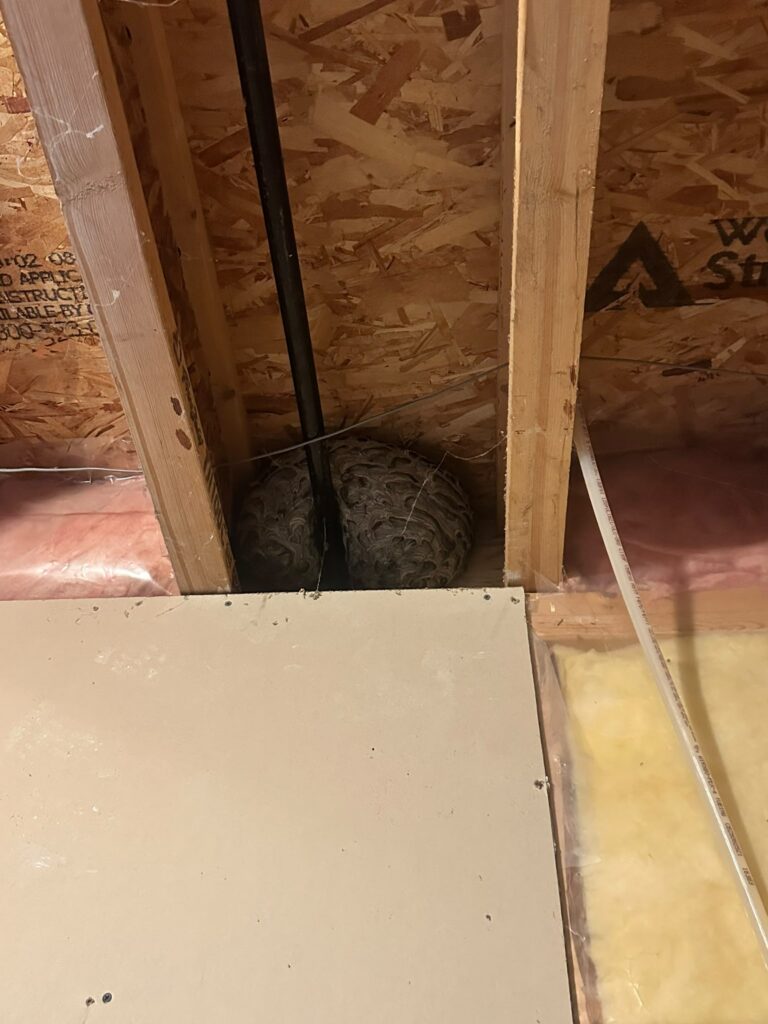
Why Do Pests Prefer Dark, Undisturbed Areas?
Most household pests attempt to stay away from exposure. The concealed area helps them in protection from human beings, pets, weather, and many other harmful things. This may also provide a way for moving between the nest and a source of food and water.
Mice tend to move along the basement walls rather than moving across the open floor. Cockroaches hide themselves in cracks, under cabinets, or behind any appliances in idle state. Spiders create their web in such areas that are relatively less disturbed and quiet.
Many household pests move in the nighttime, but this does not mean that light is not important. Even the well-lit room may become a source of pest infestation due to presence of cracks, food particles, moisture, or other things.
What Makes a Dark Space Suitable for Pests?
Harbourage can be defined as a secure location where pests can find refuge from the elements, rest or breed. Darkness will become harbourage if a number of factors come into play.
Shelter and Low Disturbance
Storage rooms, closets, furnace rooms, crawl spaces, and areas beneath staircases may go unnoticed for months. Boxes, bags, furniture, and equipment in storage can leave small openings where pests can hide.
This danger is compounded by items that obstruct inspection efforts and offer nesting materials or passageways. Rodents find cardboard and paper to be particularly helpful in their nesting endeavors.
Moisture
Water can turn an ordinary hiding place into a favourable pest environment. Common sources include:
- Leaking pipes beneath sinks
- Basement dampness
- Condensation around appliances or utility equipment
- Moist crawl spaces
- Poor drainage near the foundation
Cockroaches, silverfish, and centipedes tend to congregate where there is both moisture and shelter. Fixing a drip or reducing moisture will be more helpful than providing light.
Food and Nesting Materials
Particles under the stove, grease under the refrigerator, left open pet food, or not well-packed pantry foods may be used by pests in proximity to where they live. Also, rats may utilize paper, fabric, insulation, and cardboard as nesting materials.
A dark storeroom with sealed food, no leakages, and clean floor lines may not provide much to pests. However, the presence of food, water, clutter, and an opening in the storeroom makes it favorable.
Stable Conditions
Wall voids, cabinets, and utility rooms are protected from weather and sudden temperature changes. They may also connect pests to other parts of the home.
Where Should Barrie Homeowners Look for Hidden Pests?
Basements and Crawl Spaces
Lower areas can include dampness, storage, structural openings, utility line openings, and little activity. Check the walls, corners, floor drains, pipes, and backside of stored items. Signs could be rodent droppings, signs of gnawing, webs, skin from insects, or damage.
Attics
The attic can offer a place for rodents to nest amongst the insulation and stored goods. Rodents can come into the attic via structural opening, soffits, vent openings, or utility openings. Evidence can include droppings, shredded goods, disturbed insulation, or scratching noises.
Garages and Storage Areas
Do not store tightly packed boxes of cardboard against garage walls. Make sure that edges of the floor are visible. Garages can also act as major pest entry zones when openings and sheltered storage areas are present.
Cabinets and Sink Areas
Kitchen and bathroom cabinets provide darkness, holes in pipes, and potential moisture. Examine cabinets to check for any signs of leaking, droppings, insects, eggs, or activity near plumbing holes. Any food in the kitchen cabinet must be immediately cleaned up.
Areas Behind Major Appliances and Furniture
Spaces behind major appliances have heat, moisture, grease, or crumbs. Check accessible areas for any signs of droppings, rub marks, food, or recurring insects.
Wall and Ceiling Cavities
Mice and insects use wall and ceiling cavities for nesting places and traveling routes. Signs of these pests in these areas include scratch marks, droppings near a hole, or emergence of insects through the same hole.
These concealed locations can also make hidden structural pest damage more difficult to notice.
Which Pests Commonly Use Dark Spaces?
- Mice and rats: Nest in walls, basements, garages, attics, and utility areas. The evidence is droppings, gnawing, grease stains, damaged packaging and scratching noises.
- Cockroaches: Live in small cracks, under sinks, behind kitchen and laundry appliances, and around plumbing fixtures. Availability of food, heat, and moisture makes such areas more attractive.
- Silverfish and centipedes: Frequent in moist basements, bathrooms, utility areas, and storage areas.
- Spiders: Weave webs in quiet areas with insect food sources. Consistent presence of spiders can mean other insect infestations too.
- Bed bugs: Nestle in mattress seams, bed frames, headboards and furniture joints. The bugs seek hiding spots near human presence rather than darkness.
How Can You Reduce Pest Activity in Hidden Areas?
Start by removing what pests need instead of trying to brighten every dark area.
- Fix any plumbing drips and resolve any problems with dampness in your basement or crawl spaces.
- Scrub out any crumb, greasy, spilled, and pet food residue in places where food is hidden away.
- Keep food in closed containers.
- Discard any torn cardboard boxes or paper products that you do not need.
- Create room around stored items so that your walls and floors may be checked.
- Close off any openings to pipes, cabinets, doors, vents, and the foundation.
Do not rely on leaving lights on. Light does not remove food, water, nesting material, or hidden entry points.
Understanding how pests get into homes can also help homeowners identify structural openings that allow activity to continue in hidden areas.
When Is a Professional Pest Inspection Needed?
Schedule an inspection if there are droppings after cleanup, scratching from inside the walls, pests coming out of a particular opening time and again, or if signs are appearing in multiple rooms. Professional help can also be sought if the species and/or harborage cannot be determined.
Barrie pest control begins by identifying the harbourage site and the factors that favor it. Elimination of moisture, food sources, clutter, and entry points will make the dark places much less attractive to pests.