
Why Poor Drainage Can Lead to Pest Infestations
Drainage systems are meant to carry water away from the structure and ensure that there is no moisture in areas where it should not be. When drainage systems do not work properly, some areas of the property will remain moist for longer periods than usual.
These moist areas may offer food, refuge, breeding grounds, or hiding places for the pests.
How Does Excess Moisture Make a Property More Attractive to Pests?
Like other living things, pests need water. Some insects can survive with very small amounts, while others actively seek damp environments.
A drainage problem can create reliable moisture in places such as:
- Soil beside the foundation
- Basement corners
- Crawl spaces
- Areas beneath decks
- Wet landscaping
- Window wells
- Exterior wood
- Floor or exterior drains
The concern is usually not one wet afternoon after rainfall. Problems are more likely when an area stays damp or repeatedly becomes wet because the underlying drainage issue has not been corrected.
Why Does Standing Water Increase Pest Activity?
Standing water is one of the clearest signs that water is not draining properly.
It may collect in:
- Low areas of the lawn
- Blocked gutters
- Exterior drainage channels
- Containers left outdoors
- Depressions around landscaping
- Areas beside sheds or decks
- Poorly drained sections near the foundation
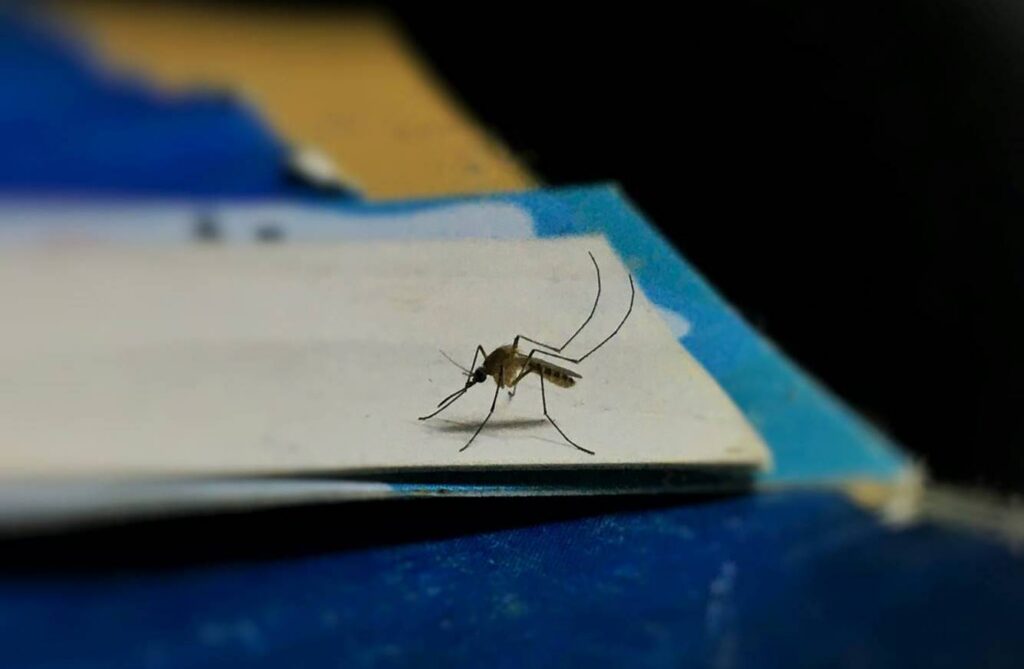
The importance of mosquitoes is especially highlighted by the fact that the aquatic stages of these pests mature in water. It only takes a small pool of stagnant water to become an ideal breeding place for them.
Drainage Problems Around a Home That Can Attract Pests
Not all drainage problems lead to a pest situation. But drainage problems that keep an area wet will eventually create an environment for pests.
The best spots to look are foundations, gutters, downspouts, drains outside, basements, crawl spaces, and moisture-prone wood.
Poor Grading and Water Pooling Near the Foundation
In most cases, the ground should be such that it allows surface water to flow away from the house. In situations where there are dips in the ground, the ground can direct water towards the house.
Homeowners may notice:
- Puddles beside the foundation
- Persistently wet soil
- Water collecting in window wells
- Damp areas beneath decks
- Soil erosion near exterior walls
- Basement moisture after rainfall
Wet soil may offer an environment that is favorable to the existence of ants, earwigs, and other types of insects that thrive in moist environments.
The water that keeps getting into the foundation may also be responsible for creating dampness inside the basement or crawl space.
Blocked Gutters and Overflowing Eavestroughs
The role of gutters is to collect water from the roof and channel it towards downspouts. Debris like leaves, twigs, and roof waste could obstruct such water flow.
If the gutters become clogged, water will spill over and flow along the outer walls of the house.
This can keep several areas repeatedly wet, including:
- Fascia and roof edges
- Exterior siding
- Soil beside the house
- Foundation walls
- Landscaping below the roofline
Blocked gutters can also hold stagnant water. Depending on the conditions and how long water remains, this may provide a suitable location for mosquitoes.
Clogged Exterior Drains and Drainage Channels
Exterior drainage systems like drains, catch basins, and drainage pipes can be plugged up with leaves, sediment, dirt, or any other kind of debris.
If these structures do not drain water effectively, then the water will drain out very slowly or not at all.
There can be two types of problems caused by this situation.
The first one is that the stagnant water might lead to mosquitoes breeding there. The second one is that there could be some flies feeding off the wet organic material near the drain.
Damp Basements and Crawl Spaces
Basements and crawl spaces can become damp when exterior drainage fails to direct water away from the structure.
Possible causes include:
- Poor grading
- Foundation seepage
- Downspouts discharging nearby
- Drainage-system leaks
- Persistent groundwater or surface runoff
- High indoor humidity related to recurring moisture
Damp, sheltered spaces can support pests such as silverfish, cockroaches, earwigs, and certain flies.
Moisture-Damaged Wood Around the Exterior
The problem of poor drainage can also occur in wooden products found in the home.
Decks, fascias, trim, window casings, materials for sheds, and wood near moist soil will stay wet when water does not drain properly.
Constant wetting of the wood product can soften and rot the wood. Carpenter ants do not consume wood like termites; however, they usually create tunnels inside of wood which has become soft due to the moisture.
That makes two actions important:
- Identify and correct the source of the moisture.
- Repair or replace damaged wood where necessary.
If carpenter ant activity continues, correcting the drainage problem may not be enough by itself. An established colony may still require professional inspection and pest control.
Which Pests Are Most Closely Linked to Wet or Damp Conditions?
Mosquitoes and Standing Water
Mosquitoes are among the pests most directly connected to standing water because their immature stages develop in water.
Potential breeding areas around a home can include:
- Water trapped in blocked gutters
- Low spots in lawns
- Poorly draining landscaping
- Containers holding rainwater
- Clogged drainage channels
- Water collecting around sheds or decks
A large pond is not required. Small amounts of water can become relevant if they remain undisturbed long enough.
Ants and Carpenter Ants Around Damp Areas
Ant activity can increase around damp soil, landscaping, foundation edges, and other sheltered locations.
Persistent moisture may create favourable conditions around:
- Foundation walls
- Deck supports
- Retaining areas
- Damp landscaping
- Exterior wood
- Areas beneath leaking gutters
Carpenter ants deserve particular attention when wood has been repeatedly exposed to moisture.
Cockroaches and Reliable Moisture Sources
Cockroaches need access to moisture and often remain close to dependable water sources.
Drainage-related conditions that may support cockroach activity include:
- Damp basements
- Leaking drain lines
- Moist utility areas
- Floor drains
- Persistent condensation
- Water collecting around plumbing
A cockroach seen near a damp area does not necessarily mean drainage caused the infestation.
Drain Flies and Slow or Poorly Maintained Drains
Drain flies are commonly associated with wet organic material that develops inside certain drains.
They may appear around:
- Slow-moving drains
- Floor drains
- Drainage lines with buildup
- Areas where water remains inside a drain system
Even eliminating the visible adult flies would not be a permanent solution if the substance responsible for their growth exists in the drain.
The drain condition itself should be examined and addressed if necessary.
Activity is an indicator that the drain requires a more thorough inspection.
Earwigs and Silverfish in Persistently Damp Areas
Earwigs usually require dark and moist hiding places.
In outdoor settings, these insects can often be seen under moist gardening materials or next to structures where the soil remains moist.
Silverfish thrive in damp environments inside houses and can become more obvious in damp basements or other spaces with poor ventilation.
Their presence doesn’t necessarily mean an infestation.
However, their repeated appearance can serve as additional evidence of excessive dampness.
Eliminating such dampness will make those places unattractive to moisture-loving insects.
Signs Drainage Problems May Be Contributing to Pest Activity
Water Remains After the Rest of the Property Has Dried
After rainfall, most surface water should gradually drain or evaporate.
A potential problem exists when certain areas remain wet much longer than the surrounding property.
Watch for:
- Puddles that last after rain
- Saturated soil beside the foundation
- Wet areas beneath decks
- Water-filled depressions in landscaping
- Persistently damp soil near sheds
- Water remaining in exterior drainage channels
These areas can provide pests with dependable moisture and shelter.
Homeowners should pay particular attention when the same wet spots appear after several rainfall events.
Gutters Overflow or Downspouts Create Puddles
Water spilling over gutter edges usually indicates that runoff is not moving through the system correctly.
Possible causes include:
- Leaves and debris
- A blocked downspout
- Improper gutter slope
- Damaged drainage components
Homeowners should also inspect where downspouts release water.
A large puddle directly beside the foundation suggests that roof runoff is being concentrated too close to the house.
If pest activity is also appearing around the wet area, correcting the drainage should be part of the response.
Pest Activity Is Concentrated Around Damp Locations
The location of pest activity can provide useful clues.
Examples include:
- Mosquitoes repeatedly appearing near pooled water
- Ant trails around damp foundation soil
- Carpenter ants near moisture-damaged wood
- Earwigs around wet landscaping or basement edges
- Drain flies concentrated around a slow drain
- Cockroach activity near persistent moisture sources
Homeowners should look for the condition supporting the pest rather than focusing only on the insect they can see.
If the moisture source remains, pest pressure may continue even after visible pests are removed. Moisture is also one of the common causes of pest infestations homeowners should consider.
Basements or Crawl Spaces Remain Damp
A damp basement or crawl space may point to a drainage or moisture-management issue.
Warning signs can include:
- Water staining
- Condensation
- Damp foundation walls
- Wet floors
- Musty conditions
- Moisture that returns after rain
- Increased insect activity in the same area
The source may be exterior runoff, poor grading, drainage-system problems, seepage, or another moisture issue.
Finding the cause is more useful than repeatedly drying the area without understanding why the water keeps returning.
Exterior Wood Stays Wet or Begins to Deteriorate
Wood around the exterior should not remain consistently wet.
Check areas near:
- Gutters
- Downspouts
- Decks
- Window frames
- Roof edges
- Sheds
- Foundation landscaping
Dark staining, softness, deterioration, or recurring dampness may indicate that water is not being managed correctly.
Moisture-damaged wood can also create more favourable conditions for carpenter ants.
Correcting both the water source and any pest activity provides a more complete solution than treating either problem alone.
How to Correct Drainage Conditions That Encourage Pests
The most effective approach is to remove the conditions helping pests survive.
That means finding where excess water is coming from, correcting the drainage problem, and then determining whether pest activity remains.
1. Remove Recurring Standing Water
Start with areas where water visibly collects.
Check:
- Lawn depressions
- Containers
- Gutters
- Drainage channels
- Areas around sheds
- Spaces under decks
- Foundation edges
Temporary water can often be removed immediately.
If the same location fills again after every rainfall, however, the underlying grading or drainage problem should also be corrected.
2. Clear Gutters and Exterior Drainage Routes
The gutters and drainage channels must have an unobstructed way for the water to drain away from the building.
All debris, like leaves, branches, sediments, or any other objects blocking the flow of water should be removed.
One must ensure that the water flows freely after cleaning out the gutters and downspouts.
It is necessary to check the exterior drains if they drain slowly or are filled up after the rain.
3. Direct Downspouts Away From the Foundation
Downspouts should not continuously discharge great volumes of roof runoff next to the building.
In case water forms pools or saturated soil next to the foundation wall, it may be necessary to extend or redirect the discharge point.
The idea here is to take the water from one place to a proper drainage point, without causing a depression at any other point on the property.
People can also check whether their downspout extensions have been detached or damaged.
4. Correct Low Spots and Grading Problems Where Appropriate
Low areas can collect water every time it rains.
Homeowners may be able to identify grading problems by walking around the property after rainfall and noting where water remains.
Common problem areas include:
- Beside foundations
- Around walkways
- Under decks
- Near sheds
- Around landscaping beds
Simple solutions can fix minor depressions. Larger grading or drainage issues would need the assistance of a professional landscaper or drainage specialist.
The key here is to ensure that water does not continuously flow towards or stay next to the building.
5. Repair Leaks and Drainage-System Defects
The source of the persistent moisture may not be limited to rainwater alone.
Water could also be leaking through pipe joints, cracked drain fixtures, broken pipe connections, or sluggish drainage systems.
This kind of moisture should be examined rather than wiped away.
If the water source is fixed, it will make the vicinity less favorable for insects such as roaches, drain flies, silverfish, among others.
6. Control Basement and Crawl-Space Moisture
If a basement or crawl space remains damp, first determine where the moisture originates.
Possible corrective measures depend on the cause and may involve:
- Improving exterior drainage
- Redirecting downspouts
- Correcting grading
- Repairing leaks
- Addressing seepage
- Improving moisture control
Temporary drying may reduce humidity, but it does not solve a drainage defect that continues to introduce water.
Persistent basement moisture deserves further investigation, particularly when pest activity is recurring.
7. Repair Moisture-Damaged Exterior Wood
Damaged wood should be inspected to determine why it became wet.
Before replacing or repairing the material, correct problems such as:
- Gutter overflow
- Improper downspout discharge
- Water pooling
- Drainage leaks
- Persistent soil contact
Otherwise, the replacement material may be exposed to the same moisture.
Where carpenter ant activity is present, the nesting area may also need to be identified and addressed.
8. Address Both the Drainage Problem and Any Established Infestation
Improving drainage is an important form of pest prevention, but it should not be confused with eliminating an existing infestation.
Correcting water problems can:
- Reduce standing water
- Remove moisture sources
- Make harbourage less favourable
- Reduce opportunities for mosquito breeding
- Help prevent repeated dampness
- Make the property less supportive of moisture-loving pests
These measures can also form part of long-term pest prevention strategies.
The service of Barrie pest control may become an alternative if pests remain active despite the correction of water drainage or in case where the source cannot be identified.
Such a specialist may determine the places of pests’ activity as well as if there is a need to use another method of control. Meanwhile, the correction of the cause of moisture can help to prevent the development of pests’ activity.