
Common Signs of Wildlife Activity
The first warning might come in the form of an odd sound coming from the attic, walls, roof, chimney, garage, or crawl space. The time and weight of the movements may help determine the animal but are not always conclusive as to its identity. If the signs indicate rodents and not large animals, then professional wildlife removal is advised.
- Heavy night-time thumping that may indicate raccoons
- Fast daytime scratching or chewing linked to squirrels
- Fluttering or chirping near vents, soffits or chimneys
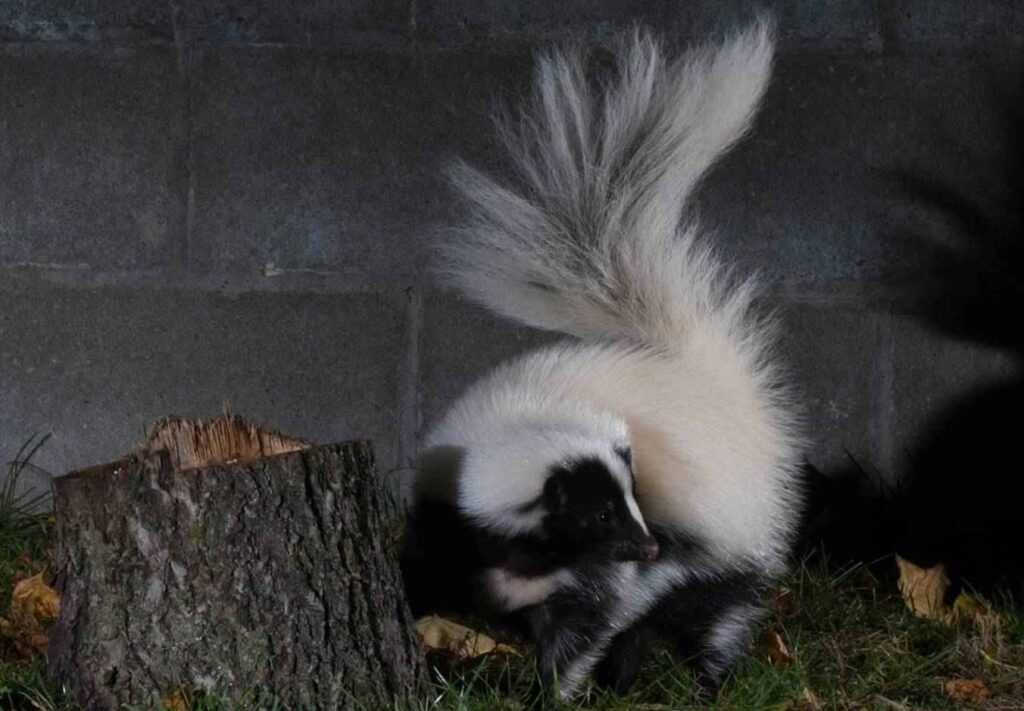
- Strong odours or digging beneath decks associated with skunks
- Damaged vents, droppings, tracks, nesting material or repeated traffic
Do not approach the entrance or enter the enclosed space. Capture images of the indications and take note of when the activity happens. This will assist the technician in identifying the animal without causing any disturbances.
Identify the Animal before Taking Action
Access points differ for each species and methods of exclusion will also be different. The time of year when animals nest is crucial, as babies can hide in attics, chimneys, walls, or dens located under buildings.
Raccoons will expand roof damage; squirrels tend to chew roof openings; skunks take shelter under sheds and decks; birds and bats can utilize vents, chimneys, or soffits. It is never advisable to try to touch or corner wild animals to determine their type.
Inspect the Property from a Safe Distance
Watch roof edges, vents, chimneys and openings from ground level. Do not climb onto a roof, crawl beneath a deck or enter an attic where an animal may be present.
Attached structures deserve attention because garages are a major entry zone. Check damaged seals, roof intersections, vents and the points where the garage connects to the house, but avoid approaching active wildlife.
Remove Food and Shelter Attractants
Lock away your trash and your compost. Take away the food for pets at night. Clean your barbeque area and pick up any fruit that has fallen off trees. Lock up your birdseed in sealed containers and clean up any messes under your feeders.
Keep your decks and sheds organized, but do not take away any materials for nests unless the area is no longer being used. Reduction of attractants helps prevent infestations; it does not solve the problem of an animal inside your house.
Do Not Seal an Active Entry Point
Too early sealing can cause the animal to be trapped, apart from its offspring or make it move to other areas of the building. The process may cause damage to the ceiling, walls, roof, and vents during its attempt to escape.
Before the installation of any permanent solution, the wildlife expert needs to identify the species of the animal, confirm that there is activity on the hole, determine any dependent young and secondary holes, and ensure all the animals are out of the structure.
Avoid DIY Capture and Removal
The trapped animal can respond aggressively. The do-it-yourself approach poses dangers due to roof access, ladders, feces, urine, and infected nesting materials. Poison, smoke, flames, flooding, fuel, chemicals, and home-made traps should never be used.
Unattended trapping mechanisms can imprison the animal or divide the family members. Proper wildlife removal techniques depend on the type of animal, environment, structure, and time of year.
How Professional Wildlife Removal Works
Inspection of the interior and exterior parts of the structure is done by the technician, who identifies the entrance points that are currently in use and checks for evidence of nesting or young.
Once vacancy is determined, the active entrance point is sealed up, while other weak points may also need to be sealed up.
Suggestions include fixing of the roof and soffits, covering of vents, cleaning, installation of insulation, among others.
Damage and Contamination Concerns
Wildlife can tear vents and soffits, damage insulation and ducts, create odours and leave droppings. Some problems remain out of sight; review the signs of hidden Wildlife damage in Barrie homes when activity has continued for weeks or months.
Avoid disturbing heavily contaminated materials. A technician can assess the affected area and advise whether specialist cleanup, insulation replacement or building repair is appropriate.
Preventing Re-Entry
Inspect roof vents, soffits, fascia, chimneys, siding, deck edges and the spaces beneath sheds or porches. Repairs should be durable, weather-resistant and compatible with required ventilation and drainage.
Combine exclusion with these long-term wildlife-prevention strategies: manage waste, trim easy access routes where practical, maintain structures and schedule checks after previous wildlife activity.
When to Arrange Professional Help
Call when noises continue, young may be present, the opening is elevated, an animal is inside a living area, contamination is extensive or roof materials are damaged. Do not delay when people or pets may come into direct contact with wildlife.
Simcoe PestX provides local Barrie pest control and wildlife support for homes, businesses, landlords and property managers. Get a free estimate online.
Species-Specific Removal Considerations
It is wrong to consider raccoons, squirrels, skunks, and birds as one issue since each one is different from the rest in terms of behavior, biology, and time of activity. The raccoon uses attic nests and damages the roofing system, which is usually made up of heavy materials. Squirrels have the ability to get into small openings and eat up materials. Skunks prefer low-lying areas, while birds build their nests in vents or chimneys. It is important to note that bats need special handling for various reasons.
Cleanup and Building Repairs
Just because the problem was removed does not mean that the affected area will automatically be restored. The droppings, urine, nesting material, and damaged insulation would need cleaning. The roof vents, soffits, ducts, wires, and exterior surfaces should be assessed for damage before deeming the job done.
The repairs should use materials appropriate for the building component. Vent blocking using inappropriate mesh could disrupt air circulation, while patching with inadequate material could be torn open. Major roof, electrical, or structural repairs should be done by the respective professionals.
Monitoring after Exclusion
Once the one-way system or any other form of exclusion technique is employed, the animal should be observed until the opening is permanently sealed off. This will depend on the particular species involved as well as the season and other environmental factors.
Homeowners should note any signs of activity at some other entry point. This will serve as an inspection to check whether the original entry point has been secured as well as other weak points around it.
Wildlife in Chimneys, Vents and Wall Voids
Chimneys and vents may be suitable nesting spots but they are also functioning parts of the structure. Do not clog them with pieces of cardboard or other forms of screening material. An expert must identify the animal and ascertain whether the space is vacant before installation of the cover.
If the animals are found in the walls and they came from the roof, basement or any connected structure, cutting open the wall without knowing where they entered might not yield the animal. The search must begin from outside and move into the structure based on the clues.
Frequently Asked Questions
Can I seal a wildlife opening at night?
No. An animal or dependent young may remain inside. The structure must be inspected and confirmed vacant.
Do repellents remove wildlife from an attic?
Odours, lights or noise rarely provide reliable removal and may push an animal into another area. Humane exclusion should be planned around the species and season.
Who repairs wildlife entry points?
Wildlife technicians may complete exclusion repairs, while a roofer or contractor may be needed for extensive structural damage.
How much does wildlife removal cost in Barrie?
Cost depends on the species, access, number of openings, presence of young, repairs and cleanup. Simcoe PestX provides free estimates.