
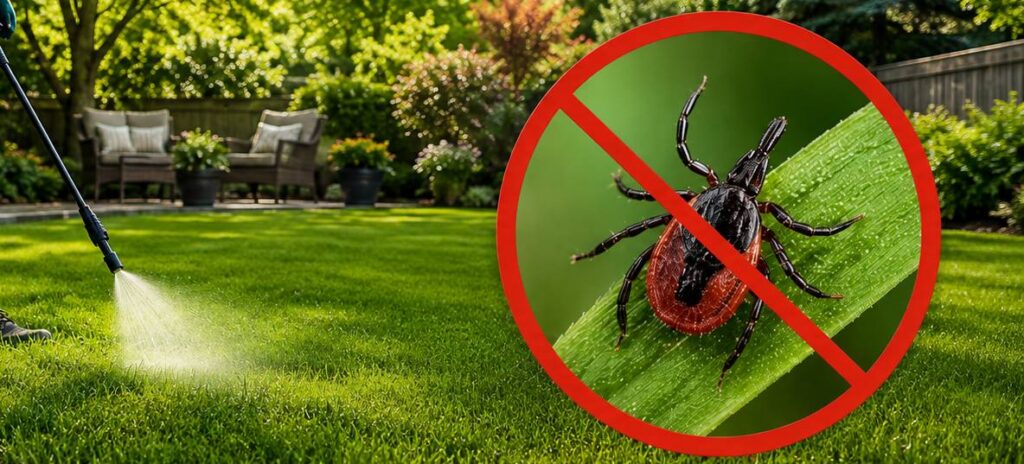
Signs You May Have a Tick Problem
Spotting an occasional tick does not necessarily mean you have an infestation of ticks. Nevertheless, seeing ticks consistently may mean ticks have started to set up camp around your house. Here are some common warning signs.
Your Pets Frequently Bring Home Ticks
Ticks can affect pets such as dogs and outdoor cats before affecting humans. In case you always find ticks on your pet after being in the garden, it means that the habitat is full of ticks.
You should talk to your vet about prevention while at the same time dealing with the cause of the problem.
You Find Ticks after Gardening or Lawn Work
Finding ticks on your clothing after:
- Gardening
- Mowing
- Weeding
- Landscaping
- Yard maintenance
is a strong indication that ticks are present in your outdoor living space.
Ticks Are Appearing Near Children’s Play Areas
Playground equipment, swings, trampolines, and back-yard areas must stay safe for children.
If ticks are becoming present near these areas, home-owners need to move fast in minimizing risk through better yard upkeep and, when needed, Professional Tick Control.
Tick Sightings Continue Despite Yard Maintenance
Many homeowners regularly mow the lawn, trim shrubs, and remove leaves but still continue seeing ticks.
Persistent tick activity often suggests:
- Nearby wildlife activity
- Hidden breeding habitats
- Dense vegetation beyond maintained areas
- Tick migration from neighbouring wooded properties
These situations often require targeted tick control services rather than routine lawn care alone.
Multiple Family Members Encounter Ticks
If several members of the household discover ticks after spending time outside, the likelihood of an established outdoor tick habitat increases.
Pay particular attention if ticks are repeatedly found after:
- Playing in the backyard
- Walking pets
- Relaxing on patios
- Gardening
- Using walking paths around the property
Properties Near Wooded Areas Carry Higher Risk
Residences near forested areas, nature reserves, parks, and other natural greenspaces tend to have higher levels of tick activity than those that are situated near heavy urban development.
Such property owners may want to book a consultation with an expert to identify riskier spots on their property.
Can You Remove Ticks Yourself?
There are many different things that a homeowner can do to decrease the number of ticks on their property; however, those measures will not be able to get rid of the pests entirely.
Keep Your Lawn Well Maintained
Mowing regularly eliminates the high grass that serves as a habitat for ticks waiting for human and animal hosts to come along. It is important to maintain short grass throughout the season, especially near playgrounds and paths.
Trim Vegetation and Remove Overgrowth
Overgrown shrubs, dense landscaping, and unmanaged vegetation create shaded, humid environments that ticks favour.
Regularly:
- Trim bushes and hedges.
- Prune low-hanging branches.
- Thin dense landscaping.
- Keep pathways clear.
Remove Leaf Litter and Yard Debris
These serve as sources of moisture and places where ticks and their hosts can seek refuge. Regular cleaning of such areas helps in minimizing the places where ticks can thrive.
Discourage Wildlife from Visiting Your Yard
Deer, rodents, and other wildlife can introduce ticks onto your property. You can make your yard less attractive by:
- Securing garbage and compost bins.
- Cleaning up fallen fruit.
- Storing firewood properly.
- Reducing brush and hiding places near the home.
Understand the Limits of DIY Tick Control
Although these steps help reduce risk, they may not be enough if:
- Tick sightings continue throughout the season.
- Pets repeatedly bring ticks indoors.
- Your property borders wooded areas or trails.
- You own a large rural or cottage property.
- High-risk areas remain difficult to manage.
When Should You Call Professional Tick Control?
Although maintaining your yard and keeping your property in good condition can decrease tick presence, there is a time when you just cannot handle them alone anymore. When ticks still continue to be around even though you tried your best, then you should call for some Tick Control Services.
You Continue Seeing Ticks Around Your Property
It is not surprising to find a tick after spending time in the park or on a walking trail. But seeing ticks in your own garden frequently means that there are ticks residing in that area.
Consider scheduling a professional inspection if you notice:
- Frequent tick sightings on patios or walkways
- Ticks while gardening or mowing
- Multiple ticks over several weeks
- Tick activity returning year after year
Your Pets Keep Bringing Ticks Indoors
Dogs and outdoor cats often pick up ticks while exploring the yard. If you’re removing ticks from your pets regularly, the problem likely extends beyond the animal itself.
Professional Residential Tick Control targets the outdoor areas where ticks are most active, helping reduce future encounters.
Your Property Includes Wooded or High-Risk Areas
Homes located beside forests, ravines, conservation lands, or walking trails naturally face greater tick pressure.
Professional treatment is particularly beneficial for:
- Large rural properties
- Cottage lots
- Homes with extensive landscaping
- Backyards bordering wooded areas
- Properties with dense vegetation
You Want to Protect Children and Family Members
Young children often spend hours playing outdoors, making them more likely to come into contact with ticks hidden in grass or vegetation.
Professional treatment helps reduce tick activity around:
- Swing sets
- Playgrounds
- Patios
- Lawns
- Garden paths
- Outdoor seating areas
DIY Efforts Haven’t Solved the Problem
If you’ve already tried:
- Regular mowing
- Vegetation trimming
- Removing leaf litter
- Wildlife management
and ticks continue to appear, it may be time for a Tick Exterminator in Simcoe to assess your property and recommend targeted treatment.
Early intervention can often prevent a minor problem from becoming a recurring seasonal issue.
How Professional Tick Control Works
Tick removal & treatment is aimed at reducing the number of ticks by targeting the places they are found and breed in. Instead of applying products randomly throughout an entire premise, professionals identify key spots that have greater chances of success.
Comprehensive Property Inspection
Every property is different. A technician begins by inspecting the yard to identify conditions that encourage tick activity.
The inspection may include:
- Lawn edges
- Wooded borders
- Garden beds
- Leaf accumulation
- Fence lines
- Under decks
- Around sheds
- Wildlife travel routes
Identifying Tick Habitats
Tics love shady, humid conditions with lots of vegetation. During an inspection, the technicians find out where the tics are most likely to be found, as well as factors that contribute to their activity.
The technicians can even discover certain problems with the landscaping that could lead to future problems.
Targeted Outdoor Treatments
Rather than treating every part of the property equally, technicians apply a tick spray service to areas where ticks are most commonly found.
These may include:
- Tall grass
- Shrubs
- Property borders
- Forest edges
- Ground cover
- Moist, shaded areas
Recommendations for Long-Term Tick Prevention
Professional service doesn’t end with treatment. Homeowners receive practical advice to help reduce future tick activity, such as:
- Improving lawn maintenance
- Trimming vegetation
- Removing brush piles
- Creating barriers between wooded areas and lawns
- Reducing wildlife attractants
Follow-Up Services When Needed
Some properties may benefit from additional visits, particularly if they are heavily wooded, experience ongoing wildlife activity, or have a history of recurring tick problems.
Follow-up inspections allow technicians to evaluate results and recommend additional treatment if necessary.
Frequently Asked Questions
What attracts ticks to my yard?
Ticks are attracted to properties with tall grass, dense shrubs, leaf litter, wooded edges, and moist, shaded environments. Wildlife such as deer, mice, and other small mammals can also introduce ticks onto your property.
Can ticks survive winter in Ontario?
Yes. Many tick species can survive Ontario winters by sheltering beneath leaf litter, snow cover, or other protected areas. Milder winters may allow more ticks to survive into the following spring.
Are ticks dangerous to pets?
Ticks can transmit diseases to both dogs and cats. Regular tick checks, veterinarian-approved preventive products, and reducing tick habitats around your property can help lower the risk.
How often should my property be treated for ticks?
Treatment schedules vary depending on your property’s size, surrounding vegetation, wildlife activity, and the level of tick pressure. A professional inspection can determine the most appropriate treatment plan for your situation.
Is professional tick treatment safe for families?
Professional treatments are applied according to product label directions and industry standards. Your technician will explain any precautions and advise when treated outdoor areas can be used again.