
Why a Clean Home Can Still Have a Pest Infestation
Finding pests inside a well-kept home can be frustrating and confusing. Many homeowners assume that insects or rodents only appear where housekeeping is poor. That is not accurate.
Pest infestations do not automatically mean a home is dirty.
Cleaning removes crumbs, spills, garbage, and some potential hiding places. Those steps can make a home less attractive to certain pests. However, pests also respond to conditions that have little or nothing to do with cleanliness.
These include:
- Openings that provide access indoors
- Warm and protected shelter
- Water and hidden moisture
- Undisturbed areas for nesting or harbourage
- Seasonal changes in outdoor conditions
- Pest activity on neighbouring properties
- Boxes, furniture, luggage, or other items brought indoors
Even when a homeowner manages to keep the floors, countertops, cabinets, and food storage areas free from contamination, the pests will always be at work in some other part of the house.
For instance, mice might use an entry point on the exterior side of the building and settle in the attic or walls. Ants could follow a minute crevice near the window or utility line.
In each case, the pest problem can develop despite regular cleaning.
Does Having Pests Mean Your House Is Dirty?
No. Having pests is not reliable evidence of poor housekeeping.
Sanitation is important because easily available food, garbage, and clutter can increase pest pressure. However, cleanliness does not control every condition pests need.
A clean house may still provide:
- A small opening into the building
- A warm attic during colder weather
- Moisture beneath a sink
- Condensation in a basement
- An undisturbed wall void
- Access from an attached garage
- Shelter from outdoor temperatures
Different pests are also looking for different things.
Rodents may enter mainly for shelter. Silverfish may favour humid areas. Bed bugs rely on people rather than food scraps. Spiders may enter because other insects are available as prey.
What Causes Pest Infestations Besides Poor Cleaning?
Common causes of pest infestations in clean homes include:
- Structural entry points – cracks, gaps, vents, utility penetrations, and openings around doors or windows.
- Hidden moisture – plumbing leaks, condensation, damp basements, or moisture inside concealed spaces.
- Shelter – attics, garages, wall voids, crawl spaces, and storage areas can provide protected harbourage.
- Seasonal movement – some pests move indoors when temperatures or outdoor conditions change.
- Neighbouring infestations – pests may travel from nearby properties or through connected structures.
- Packages and belongings – insects can occasionally arrive in boxes, stored items, or deliveries.
- Travel – hitchhiking pests such as bed bugs can arrive in luggage.
- Used furniture – upholstered or stored furniture may carry hidden pests.
- Groceries and packaged food – some stored-product pests can already be present before products enter the home.
A spotless kitchen therefore does not guarantee that the rest of the property is inaccessible to pests.
For homeowners in Barrie, the useful question is often not, “How much more should I clean?” but rather, “Where are the pests coming from, and what condition is allowing them to stay?”
Small Openings Can Give Pests Access to Clean Homes
Where Do Pests Enter a Well-Maintained House?
Common pest entry points include:
- Cracks around the foundation
- Spaces beneath exterior doors
- Damaged or worn door sweeps
- Gaps around window frames
- Openings around plumbing pipes
- Utility and cable penetrations
- Dryer and exhaust vents
- Damaged vent screens
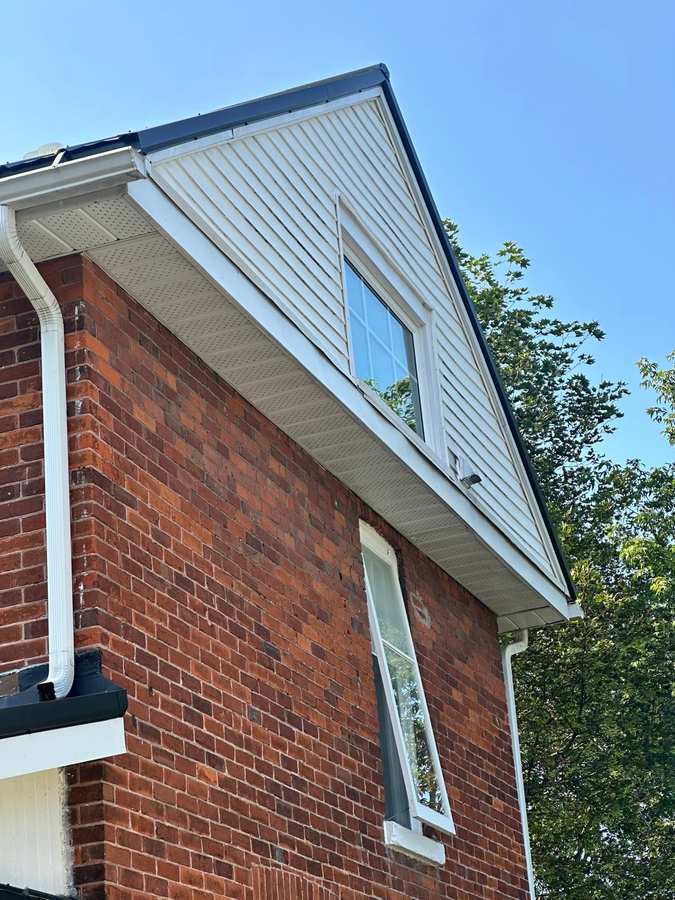
- Roofline openings
- Soffit or fascia gaps
- Spaces around garage doors
- Openings between an attached garage and the home
Different pests require different kinds of openings.
Ants can travel along very tiny cracks that occur around windows, foundations, or utility penetrations. Insects like spiders can gain entry through gaps around doors, vents, or unsealed exterior openings.
Rats can also utilize extremely small gaps. The home owner may not be aware of the opening as it may be hidden behind siding, by a garage, below a structure, or by a service line.
That’s why pests may persist even when interiors are maintained in impeccable cleanliness.
Why Are Basements, Attics and Wall Voids Important?
Pests do not need to live in the rooms homeowners use every day.
They may spend most of their time in:
- Basements
- Attics
- Crawl spaces
- Wall voids
- Utility rooms
- Attached garages
- Storage areas
These places usually offer shelter, constant temperatures, less disturbance, and hidden movement paths.
For instance, the mouse may build its nest in the attic or in-wall spaces but not necessarily come out into open areas very often. Insects may also move through walls or through plumbing lines without detection.
That is why a tidy living room, kitchen, or bedroom does not necessarily mean that everything else is okay with the house.
When strange activities are going on in Barrie homes, places such as the basement, attached garage, attic, external utility entrances, and old seals around the entrance points should be taken into consideration.
The matter here is not the appearance of the home. The matter here is whether the pests have access to the structure and a place where they can hide upon entering it.
Moisture, Shelter and Seasonal Movement Can Support Pests Despite Cleaning
Can Pests Live in a Clean Home Without Exposed Food?
Yes. Some pests can remain active indoors even when food is properly stored and surfaces are regularly cleaned.
Water and shelter may be just as important as food.
Potential moisture sources include:
- Slow leaks beneath sinks
- Condensation around pipes
- Damp basement areas
- Moisture around plumbing penetrations
- Water collecting near drains
- Humid storage spaces
- Small leaks hidden behind walls or cabinets
Silverfish, for instance, prefer wet and humid locations. Moisture from plumbing sites or condensation could be used by cockroaches. Ants can come inside the house in search of water, particularly when the environment outside changes.
Spiders are yet another example. Spiders do not eat food crumbs found around the house. It is possible for spiders to stay inside the house since there are insects as prey and good places to hide.
What this means is that despite having very clean surroundings, a moisture source that is left unnoticed can continue to attract pests.
The solution in such a case is not necessarily increased cleanliness, but knowing where the moisture or entry point is located.
Why Do Seasonal Changes Bring Pests Into Clean Homes?
Some pest activity is driven by outdoor conditions rather than indoor cleanliness.
As temperatures change, pests may search for protected places where conditions are more stable. Homes can provide warmth, shelter from weather, and quiet spaces for overwintering.
Depending on the pest, seasonal movement may bring activity into:
- Attics
- Wall voids
- Basements
- Garages
- Roofline spaces
- Areas around windows and doors
In case rodents find themselves facing cold weather, they will look for places that offer protection. It is easy for cluster flies to enter buildings and stay within hidden spaces. In addition, spiders and other insects can either come inside the building or follow their prey into the building.
The changes in temperatures in Barrie during different seasons mean that one must take into consideration access and shelter of pests apart from sanitation in the house when pests are seen during certain seasons.
Just because pests are seen in the fall or winter does not automatically mean that the house is dirty.
Can Landscaping Contribute to Pest Activity?
Landscaping can sometimes make it easier for pests to approach the structure.
Potential contributing conditions include:
- Vegetation touching exterior walls
- Dense plants close to foundations
- Tree branches near rooflines
- Exterior storage placed against the building
- Protected areas beneath decks or other structures
These factors do not automatically lead to a pest infestation. They only provide pests with shelter, means of transportation, or an easier access to openings.
A clean interior will not stop pests from approaching the building from the outside. This is one more reason why pest prevention must be taken into account as a whole.
Pests Can Come From Neighbours, Deliveries, Travel and Belongings
Can Pests Come From Neighbouring Properties?
Yes. Some pests can move between neighbouring properties when suitable routes are available.
This can be particularly relevant in:
- Townhomes
- Semi-detached homes
- Apartments
- Buildings with shared walls
- Structures with connected roof or utility areas
Pests may travel through:
- Wall cavities
- Plumbing routes
- Gaps around utility lines
- Roofline connections
- Exterior cracks and openings
Cockroaches, ants, mice, and other pests can travel from one section of the building to another.
Even separate houses can have problems with pests arising from neighboring properties, sheds, flora, waste sites, or any other outdoor harborage.
It is for this reason that repeat performance does not automatically imply that the owner has been negligent in cleaning the property.
If the pests are coming from elsewhere, the cleaning done in the house will not help prevent further pests from coming in.
Can Packages and Cardboard Boxes Bring Pests Inside?
Packages and boxes can occasionally provide transportation or hiding places for insects.
Items may pass through warehouses, delivery vehicles, storage facilities, or other environments before reaching a home.
Potential sources include:
- Shipping boxes
- Moving boxes
- Stored cardboard
- Delivered household items
- Seasonal belongings taken out of storage
This does not imply that all packages will always pose a threat. Nevertheless, there are ways through which homeowners can minimize the risk of bringing such pests into their homes by checking packages before storing them.
Dismantling unnecessary packaging materials and ensuring that storage areas are easily accessible will enable you to notice any activities.
The key here is that the introduction of the pests through deliveries has nothing to do with the cleanliness of the receiving home.
Can Luggage or Used Furniture Bring Pests Into a Clean Home?
Yes. Some pests are effective hitchhikers, meaning they are carried from one location to another on belongings rather than entering through structural gaps.
Bed bugs are one of the clearest examples.
They may be transported in:
- Suitcases
- Backpacks
- Clothing
- Upholstered furniture
- Mattresses
- Other personal belongings
Bed bug infestations do not always mean that the home is unclean; these bugs are blood eaters and can settle both in a clean home as well as in a cluttered home.
Furniture bought second hand can also sometimes hide insects or traces of past insect infestations.
Anyone purchasing such furniture needs to examine it thoroughly before taking it inside their home, especially upholstery with crevices, folds, creases, and cracks.
Luggage also needs to be examined after travel.
Can Groceries Introduce Household Pests?
Some pests can enter homes through packaged foods.
Stored-product pests may be associated with products such as:
- Flour
- Rice
- Cereals
- Grains
- Dried foods
- Pet food
- Other pantry products
How to Recognize and Reduce Pest Problems When Your Home Is Already Clean
Which Pests Can Appear Even in Clean Homes?
Several common household pests may appear even when sanitation is good.
| Pest | Why It May Appear in a Clean Home | Areas to Check |
|---|---|---|
| Mice | Structural openings, shelter, seasonal movement | Basement, garage, attic, wall voids |
| Ants | Small gaps, outdoor colonies, moisture | Windows, foundations, plumbing areas |
| Cockroaches | Adjacent properties, packages, hidden moisture | Cabinets, plumbing areas, wall voids |
| Bed bugs | Luggage, furniture, belongings | Beds, upholstered furniture, cracks |
| Silverfish | Humidity and moisture | Basements, bathrooms, storage areas |
| Spiders | Entry openings and insect prey | Windows, garages, basements, attics |
| Stored-product pests | Packaged foods and groceries | Pantries and food-storage areas |
What Are the Signs of a Hidden Pest Infestation?
Pest activity may begin in a concealed area before homeowners see the pest itself.
Warning signs can include:
- Droppings
- Gnaw marks
- Shed insect skins
- Egg cases
- Webbing around stored foods
- Scratching or movement sounds
- Damaged food packaging
- Repeated sightings in one location
- Insects appearing around windows
- Pest activity near plumbing
- Unusual activity in garages, basements, or attics
Homeowners can also review the early signs of a pest infestation in Barrie when recurring activity is difficult to identify.
How Can You Prevent Pests If You Already Keep Your Home Clean?
If routine cleaning is already part of your household maintenance, focus on other conditions that may be allowing pest activity.
- Check accessible entry points. Look around doors, windows, foundations, pipes, utility lines, vents, and garage openings for obvious gaps.
- Look for hidden moisture. Check beneath sinks, around plumbing, and in basement or storage areas for leaks and condensation.
- Inspect packages before storing them. Pay particular attention to cardboard boxes that will remain in storage for extended periods.
- Be cautious with used furniture. Inspect seams, cracks, folds, and concealed areas before bringing second-hand items indoors.
- Check luggage after travel. Examine bags and belongings before moving them into bedrooms or storage spaces.
- Keep storage areas accessible. Overfilled areas can make droppings, insects, gnawing, and other warning signs harder to detect.
- Monitor rarely disturbed spaces. Check basements, garages, attics, utility rooms, and other concealed areas periodically.
- Investigate recurring activity. If pests keep returning, do not assume that more cleaning is the answer. The source may be an entry point, hidden harbourage, moisture issue, or outside introduction.
A qualified Barrie pest control expert can help when activity is recurring, widespread, difficult to identify, or appears to be coming from concealed areas.