
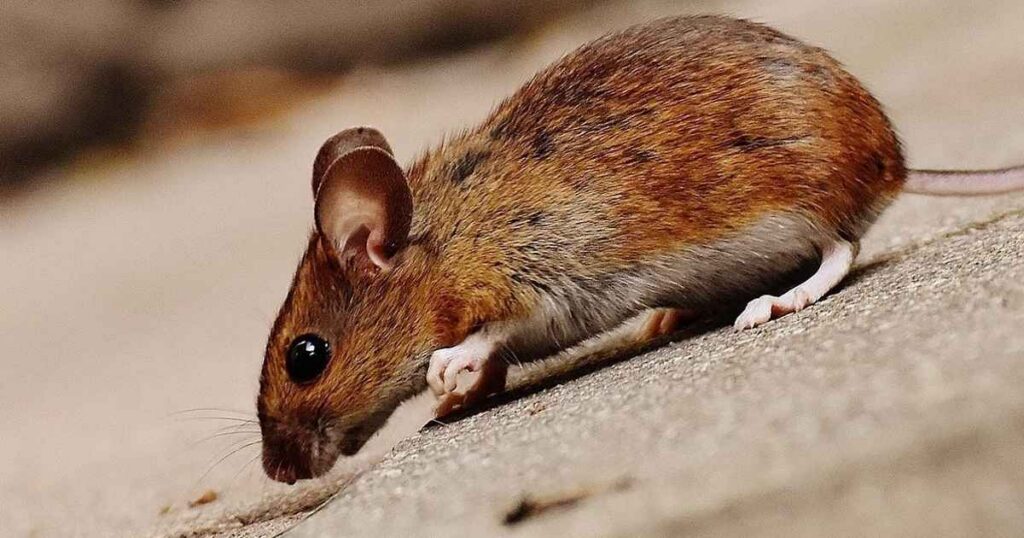
The Cost of Ignoring Mice in Your Barrie Home
A mouse problem can become more complicated and expensive when it continues untreated.
Mice can nest in attic insulation, travel through concealed areas, leave droppings and urine, gnaw materials, and spread into other parts of a house. Health Canada lists droppings, urine, gnawing, damaged food packages, and scratching sounds among common signs of a mouse or rat infestation.
For Barrie homeowners, delaying mouse control can turn a relatively straightforward pest problem into a larger project involving cleanup, exclusion work, insulation assessment, and repairs.
Professional mice removal should address both current rodent activity and the conditions allowing mice to enter or remain inside the home.
How Mice Can Damage Attic Insulation
Attic insulation provides mice with protected areas for nesting and travel.
Over time, mouse activity may:
- Compress or displace insulation
- Create pathways through loose insulation
- Move insulation into nesting areas
- Leave droppings and urine
- Contaminate areas where rodents repeatedly travel or nest
The extent of activity may not be obvious from the attic entrance because mice can travel beneath loose insulation and through concealed sections of the attic.
Not every mouse infestation requires complete insulation replacement. Localized activity may require limited cleanup, while more extensive contamination or physical damage may require removal of a larger amount of insulation.
Why Delayed Mouse Extermination Can Cost More
The longer mice remain inside a house, the more opportunity they have to establish nesting areas, contaminate additional spaces, and continue using structural entry points.
An infestation detected early may primarily involve:
- Inspection
- Mouse control
- Monitoring
- Entry-point assessment
- Exclusion work
- Follow-up
A longer-running problem may also involve:
- More extensive cleanup
- Removal of affected insulation
- Replacement insulation where necessary
- Multiple exclusion repairs
- Repair of damaged materials
- Additional pest-control visits
This is one reason it can be more practical to investigate signs of mice early rather than waiting until activity becomes obvious throughout the home.
Can Mice Reduce the Effectiveness of Attic Insulation?
Attic insulation works best when it provides appropriate and reasonably consistent coverage.
Mouse nesting and travel can disturb, separate, or compress insulation in affected areas.
Possible signs of disturbed insulation include:
- Visible compressed areas
- Paths through loose insulation
- Insulation gathered into nesting areas
- Bare or thin areas that were previously covered
Uneven room temperatures or heating concerns can have many causes, so homeowners should not automatically blame mice or damaged insulation.
When temperature problems appear together with droppings, scratching sounds, nesting material, or visibly disturbed insulation, the attic deserves closer inspection.
Mice Can Damage More Than Insulation
A long-running mouse problem may affect other materials throughout the home.
Electrical Wiring
Mice can gnaw accessible materials, including protective coverings around wiring.
If wiring appears chewed, frayed, or otherwise damaged, avoid attempting an electrical repair yourself. Damaged electrical components should be assessed by an appropriately qualified electrical professional.
Building and Stored Materials
Mouse activity may affect or contaminate materials such as:
- Vapour barriers
- Flexible duct materials
- Foam
- Pipe insulation
- Cardboard
- Stored belongings
- Fabric
- Wood surfaces
Walls and Ceilings
Mice may travel through concealed areas including:
- Wall cavities
- Ceiling spaces
- Garages
- Basements
- Attics
- Utility openings
One mouse sighting does not reveal the full extent of activity. Inspection is needed to determine where rodents are travelling, nesting, and entering.
Rodent Contamination in Attic Insulation
Mouse droppings, urine, nesting material, and other debris can accumulate in areas where rodents repeatedly travel or nest.
A small infestation may create localized contamination, while a longer-running infestation can affect a larger portion of the attic.
Homeowners should avoid dry sweeping or vacuuming rodent droppings. Public Health Agency of Canada guidance warns that this can release contaminated particles into the air. Rodent waste should be properly disinfected before cleanup, and heavily contaminated areas may warrant professional cleaning.
An inspection can help determine whether affected insulation requires:
- Localized cleanup
- Partial removal
- More extensive removal
- Separate insulation assessment or replacement
Signs Mice May Be Active in Your Attic
Watch for several related warning signs rather than relying on one clue.
Possible signs include:
- Scratching or scurrying above ceilings
- Mouse droppings
- Flattened or disturbed insulation
- Pathways through loose insulation
- Nesting material
- Gnaw marks
- Unusual attic odours
- Repeated mouse sightings
- Activity around soffits, vents, rooflines, or utility openings
Health Canada also identifies scratching sounds, gnawing, droppings, urine, holes, and tracks as common evidence of rodent activity.
Several signs appearing together are a stronger reason to arrange professional inspection.
Why Mouse Traps Alone May Not Solve the Problem
Traps can remove individual mice, but trapping alone does not explain how rodents entered the property or correct structural access points.
Potential entry areas may include:
- Garage-door gaps
- Utility penetrations
- Foundation openings
- Siding transitions
- Soffit gaps
- Roofline openings
- Exterior vents
- Openings around pipes and cables
Health Canada identifies rodent-proofing and sanitation as important parts of controlling mice and rats, including correcting foundation cracks and openings around doors, pipes, vents, and soffits.
If suitable entry points remain open, additional mice may be able to enter even after individual rodents have been removed.
Attic insulation can also conceal nesting material, droppings, travel routes, and additional activity.
Effective mouse management should address both rodent activity inside the home and the conditions that allow rodents to get inside.
What Professional Mouse Control Should Include
Professional mouse control should focus on the overall infestation rather than simply placing traps and leaving.
Inspection
A technician may inspect accessible areas for:
- Droppings
- Nesting evidence
- Gnaw marks
- Rodent travel routes
- Disturbed insulation
- Food and water sources
- Likely exterior entry points
Mouse Control
The control method should be selected according to the location, extent, and conditions of the infestation.
A one-size-fits-all approach may overlook activity hidden in attics, walls, garages, basements, or other parts of the property.
Exclusion
Accessible mouse entry points should be identified and repaired or sealed where appropriate.
This may involve areas around:
- Foundations
- Doors
- Utilities
- Exterior vents
- Soffits
- Rooflines
Follow-Up and Monitoring
Follow-up can help determine whether rodent activity has declined and whether additional entry points or affected areas have been overlooked.
Attic Insulation Assessment
If mice have been active in the attic, the affected insulation should be checked for visible contamination and physical disturbance.
The appropriate response should depend on the extent of the problem rather than assuming that every attic needs complete insulation removal.
Professional Mouse Control in Barrie
If scratching, droppings, nesting material, or disturbed attic insulation keeps appearing, professional pest control in Barrie can help determine where mice are active and which structural openings may be contributing to the problem.
A thorough inspection can also help separate the active pest-control work from any cleanup, insulation, electrical, or building repairs that may require additional services.
Why Early Mouse Control Can Reduce the Scope of Repairs
A limited mouse problem is generally easier to manage before rodents have had more time to spread through concealed parts of a house.
Waiting may allow mice to:
- Establish additional nesting areas
- Contaminate more insulation
- Create additional travel routes
- Damage stored belongings
- Move through walls and ceilings
- Gnaw building materials
- Continue using exterior entry points
Health Canada advises addressing occasional rodent invaders promptly to help prevent a more severe infestation.
Early mouse control in Barrie can therefore help limit both the infestation and the amount of related cleanup or restoration that may eventually be required.
When to Call a Mouse Exterminator in Barrie
Consider professional mouse control when you notice:
- Repeated scratching inside ceilings or walls
- Droppings in the attic, basement, garage, or kitchen
- Nesting material
- Disturbed attic insulation
- Gnaw marks
- Repeated mouse sightings
- Possible rodent entry points around the exterior
You do not need to wait until mice are regularly visible during the day. Much of their activity may occur in concealed areas or when the home is quiet.
Do Not Ignore Significant Rodent Waste
Cleanup should be approached carefully when an attic or other enclosed area contains substantial mouse droppings, urine, or nesting material.
The Public Health Agency of Canada recommends avoiding direct contact with rodent waste, disinfecting contaminated areas properly, and not sweeping or vacuuming dry droppings. For heavily infested or contaminated areas, professional cleaning may be appropriate.
Pest removal and contamination cleanup are related but separate parts of the overall problem.
Stop Mouse Damage Before the Problem Expands
The cost of ignoring mice can extend beyond the initial extermination service.
A long-running infestation may eventually involve:
- Mouse control
- Structural exclusion
- Monitoring
- Rodent-waste cleanup
- Insulation removal
- Replacement insulation
- Electrical assessment
- Repairs to damaged materials
If you hear scratching above the ceiling or find signs of mice in your Barrie home, Simcoe PestX can inspect accessible areas, identify likely mouse activity and entry points, and recommend appropriate control and exclusion measures.
Barrie Mouse Damage FAQs
Do Mice Ruin Attic Insulation?
Mice can disturb, compress, move, and contaminate attic insulation while travelling and nesting. The amount of damage determines whether localized cleanup, partial removal, or more extensive insulation work should be considered.
Should Mouse-Contaminated Insulation Be Replaced?
Not automatically. Limited contamination may affect only a small area, while widespread contamination or physical damage may require more extensive removal. The insulation should be assessed based on actual conditions.
Can Mice Affect Home Insulation Performance?
Significant displacement or compression can create uneven insulation coverage in affected areas. However, heating or temperature problems can have many causes, so insulation performance should not be diagnosed from mouse activity alone.
Is Delayed Mouse Extermination in Barrie More Expensive?
It can be. A longer-running infestation may involve more rodent activity, contamination, exclusion work, cleanup, insulation remediation, and property repairs than a problem addressed earlier.
Are Mouse Traps Enough for an Attic Infestation?
Not always. Traps can remove individual mice but do not correct structural entry points or address contamination, nesting areas, and activity hidden beneath insulation. Health Canada recommends combining rodent control with rodent-proofing and sanitation.
When Should I Call a Mouse Exterminator in Barrie?
Professional help may be appropriate when scratching repeatedly occurs in walls or ceilings, droppings or nesting material are found, insulation is disturbed, mice continue to be seen, or you cannot identify how they are entering the home.
Professional Help for Persistent Mouse Problems
Mouse activity that continues after basic control efforts may indicate hidden nesting areas, overlooked entry points, or activity in parts of the structure that are difficult to inspect.
An experienced exterminator can provide the type of inspection, monitoring, and exclusion-focused approach homeowners should look for when dealing with an established rodent problem.