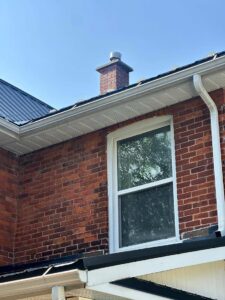

Why Pest Control Is Crucial for Bradford Businesses and Commercial Properties
Bradford is home to restaurants, offices, warehouses, retail stores, industrial facilities, and other commercial properties. These businesses can also attract pests when buildings provide access to food, water, warmth, waste, and sheltered areas.
Rodents, cockroaches, flies, ants, birds, and other pests can affect sanitation, inventory, equipment, employees, customers, and business reputation. For this reason, commercial pest management should focus on prevention, early detection, and prompt treatment when activity is found.
Professional commercial pest control can help businesses identify pest activity, locate entry points, monitor high-risk areas, and develop treatment plans based on the conditions at the property.
Common Pests Found in Bradford Commercial Properties
Different businesses experience different pest pressures depending on their industry, building layout, surrounding environment, food handling, waste management, and seasonal conditions.
1. Rats and Mice
Rodents are a concern for many commercial properties because they can enter through small openings around doors, foundations, utility lines, vents, loading areas, and roof structures.
Mice and rats may:
- Contaminate storage and food-handling areas.
- Chew through packaging and stored products.
- Damage electrical wiring and insulation.
- Nest inside walls, ceilings, equipment areas, and storage spaces.
Recurring activity may require professional rodent removal combined with monitoring and entry-point exclusion.
2. Cockroaches
Cockroaches prefer warm, dark, moisture-prone environments. They are frequently associated with restaurants, cafés, food-storage areas, washrooms, drains, kitchens, and commercial storage spaces.
They can contaminate surfaces as they move between waste, drains, food areas, and other locations. Cockroach droppings and shed material may also contribute to allergy and asthma concerns for sensitive individuals.
Established activity may require professional cockroach control using monitoring, sanitation improvements, targeted treatment, and moisture management.
3. Flies
Flies are often attracted to food waste, garbage, drains, spills, recycling, and organic material. Restaurants, grocery stores, cafés, and other food businesses may experience greater fly pressure when breeding sources are available.
House flies, fruit flies, and other species can move between unsanitary areas and food-contact surfaces. Effective fly control requires identifying and correcting the source rather than simply removing the adult flies that are visible.
4. Ants
Ants can enter commercial buildings while searching for food and water. Sugary drinks, grease, crumbs, food storage, and moisture can encourage activity around staff rooms, restaurants, offices, retail stores, and warehouses.
Recurring trails may indicate a nearby colony. Professional ant control can help identify nesting areas and determine an appropriate treatment plan.
5. Birds
Pigeons, sparrows, and other birds may roost or nest around rooftops, ledges, signs, loading docks, vents, and commercial entrances.
Nesting material and accumulated droppings can create sanitation and property-maintenance concerns. Persistent bird activity may require professional wildlife and bird control using appropriate exclusion methods.
6. Wasps and Bees
Wasps and bees may establish nests around rooflines, eaves, signs, trees, loading areas, patios, and other exterior spaces.
Nests close to entrances, outdoor dining areas, employee walkways, or customer areas may require professional assessment. Staff should avoid disturbing active nests.
Problem activity can be assessed through professional wasp and bee control.
7. Stored Product Pests
Businesses storing food, grains, pet food, flour, seeds, or other dry products may also encounter weevils, beetles, moths, and other stored-product insects.
These pests can arrive inside incoming products and spread to nearby stock if affected goods are not identified quickly.
The Risks of Ignoring Pest Activity
Health and Sanitation Concerns
Rodents, flies, cockroaches, and other pests can contaminate food, surfaces, packaging, storage areas, and equipment. Businesses handling food or other sensitive products should investigate pest evidence promptly.
Property and Inventory Damage
Pest activity may result in damaged merchandise, contaminated products, repair costs, and additional cleaning requirements.
Rodents in particular may damage wiring, insulation, packaging, furniture, and building materials.
Reputation Damage
A visible pest can quickly affect how customers perceive a business. Negative reviews or images posted online can spread quickly, particularly for restaurants, retail stores, hotels, and other customer-facing properties.
Maintaining a clean and professionally managed commercial environment helps protect customer confidence.
Operational and Compliance Concerns
Some businesses must follow specific sanitation, food-safety, workplace, storage, or industry requirements. Pest activity can create problems when a facility is expected to maintain clean conditions and documented pest-management procedures.
The exact requirements depend on the business type and the regulations that apply to its operations.
Effective Pest Prevention Strategies for Bradford Businesses
1. Maintain Cleanliness
Sanitation is one of the foundations of commercial pest prevention. Food residue, spills, waste, clutter, and unused materials can provide pests with resources they need to survive.
Businesses should:
- Clean floors and work areas regularly.
- Remove food residue promptly.
- Clean beneath equipment and shelving.
- Empty waste bins consistently.
- Maintain clean break rooms and employee kitchens.
- Keep storage areas organized.
2. Seal Entry Points
Pests commonly enter commercial buildings through structural openings.
Inspect:
- Exterior doors
- Door sweeps
- Windows and screens
- Foundations
- Utility penetrations
- Roof and wall vents
- Loading and receiving areas
Suitable gaps should be repaired or sealed using materials appropriate for the building and pest involved.
3. Store Food and Inventory Properly
Businesses handling food or susceptible inventory should maintain organized storage areas.
- Use suitable sealed containers for food where appropriate.
- Inspect damaged packaging promptly.
- Rotate stock using a first-in, first-out system.
- Remove expired or contaminated products.
- Inspect incoming shipments for pest evidence.
4. Improve Waste Management
Garbage and recycling can attract rodents, flies, ants, cockroaches, birds, and wildlife.
Good waste-management practices include:
- Using containers that close properly.
- Removing food waste regularly.
- Cleaning spills around waste areas.
- Keeping dumpster areas reasonably clean.
- Monitoring exterior waste areas for pest activity.
5. Control Moisture
Leaks, condensation, and standing water can support pest activity. Businesses should inspect sinks, drains, washrooms, mechanical rooms, kitchens, refrigeration equipment, and plumbing for recurring moisture problems.
Repair leaks promptly and improve drainage or ventilation where appropriate.
6. Maintain Landscaping and Exterior Areas
Exterior conditions can influence how much pest pressure a building experiences.
Commercial properties should:
- Trim excessive vegetation near exterior walls.
- Remove accumulated leaves and debris.
- Address standing water where practical.
- Inspect exterior doors and loading areas.
- Monitor rooflines and ledges for bird activity.
7. Train Employees
Employees are often the first people to notice pest activity. Staff should understand basic prevention practices and know where to report problems.
Employees should report:
- Live or dead pests
- Droppings
- Gnawed products or wiring
- Damaged packaging
- Nesting material
- Recurring insect activity
- Unusual pest-related damage
A report should include the location, date, approximate time, and type of activity observed whenever possible.
8. Conduct Regular Pest Inspections
Early detection can prevent a small pest problem from becoming a larger infestation.
High-risk areas may include:
- Kitchens and staff rooms
- Storage spaces
- Loading docks
- Waste and recycling areas
- Washrooms
- Mechanical rooms
- Basements
- Roof and exterior areas
Look for droppings, tracks, gnaw marks, damaged packaging, insects, nesting material, and structural gaps.
Use Integrated Pest Management for Commercial Properties
Integrated Pest Management (IPM) combines multiple pest-management methods rather than depending entirely on pesticide treatments.
A commercial IPM program may include:
- Routine inspections
- Accurate pest identification
- Pest monitoring
- Food and waste management
- Moisture reduction
- Structural exclusion
- Trapping where appropriate
- Targeted treatment when necessary
- Follow-up monitoring
This approach focuses on identifying why pests are entering or surviving inside the building and correcting those conditions whenever practical.
The Role of Professional Commercial Pest Control
Basic sanitation and building maintenance can reduce pest pressure, but established or recurring infestations may require professional intervention.
Customized Treatment Plans
A restaurant will have different pest-management needs from a warehouse, office building, retail store, or industrial facility.
A professional pest control provider should consider the business type, pest species, building layout, infestation level, sensitive areas, and operating schedule before developing a treatment plan.
Responsible Treatment Methods
Modern commercial pest management may use monitoring, exclusion, sanitation, trapping, moisture reduction, and targeted treatment.
When pest-control products are required, they should be suitable for the intended use and applied according to their labelled directions and applicable safety requirements.
Ongoing Monitoring
Commercial properties with recurring pest pressure may benefit from scheduled inspections and monitoring rather than waiting until pests become visible.
Monitoring can help identify changes in activity and determine where corrective measures should be concentrated.
Professional Pest Control in Bradford
Businesses dealing with recurring pest problems can contact an experienced pest control provider in Bradford for inspection, treatment, monitoring, and prevention recommendations.
A professional inspection can help determine what pest is present, where activity is concentrated, how pests are entering, and which treatment methods are appropriate.
Commercial Pest Control in Barrie
Businesses with additional locations or commercial properties elsewhere in the service region can also access professional pest control in Barrie for rodent, insect, wildlife, and other commercial pest concerns.
Businesses operating multiple properties may benefit from maintaining consistent pest-monitoring, sanitation, and reporting procedures across all locations.
Choosing the Right Pest Control Partner
Commercial pest management should be based on more than the lowest advertised price. When comparing providers, consider:
- Commercial experience: Has the company worked with similar businesses or properties?
- Local knowledge: Does the provider regularly work in Bradford and surrounding areas?
- Appropriate licensing: Does the company meet applicable Ontario requirements for the work being performed?
- Clear pricing: Does the estimate explain what is included?
- Monitoring and follow-up: Is ongoing service available when required?
- Communication: Can the provider clearly explain the problem and proposed treatment?
Maintaining a Pest-Free Commercial Property
Once an immediate pest problem has been addressed, prevention should continue throughout the year.
Businesses can reduce recurring activity by:
- Maintaining regular cleaning schedules.
- Inspecting high-risk areas.
- Managing food and waste properly.
- Repairing structural gaps.
- Controlling moisture.
- Maintaining exterior areas.
- Training staff to report pest activity.
- Adjusting prevention measures as seasonal activity changes.
Protecting Bradford Businesses and Commercial Properties
Effective pest control helps protect employees, customers, inventory, equipment, property, and business reputation. The strongest approach combines sanitation, building maintenance, pest monitoring, employee awareness, and professional support when needed.
By identifying pest activity early and correcting the conditions supporting it, Bradford businesses can reduce the likelihood of larger infestations and avoid unnecessary disruption to their operations.