
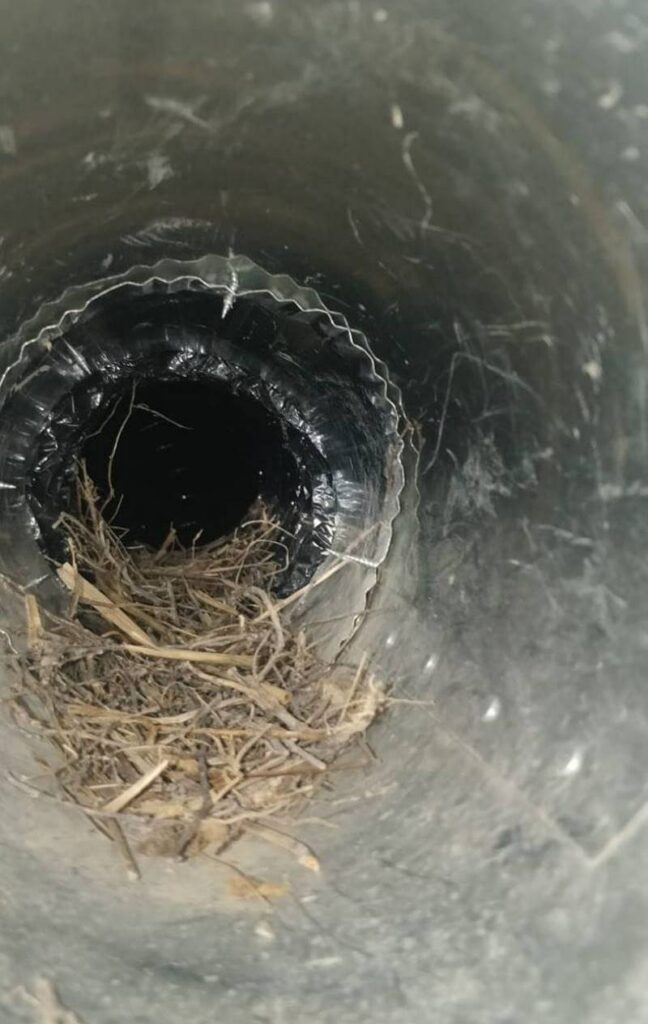
Why Do Vents and Soffits Attract Wildlife?
Vents and soffits are designed to support airflow and protect parts of the roof structure. When they become loose, damaged, or poorly secured, they can also create sheltered openings that wildlife may investigate.
Animals do not necessarily target a home because anything is wrong inside it. In many cases, they simply find an accessible opening that provides protection from outdoor conditions.
Why Do Animals Choose Sheltered Roofline Areas?
Rooflines provide several features that can appeal to wildlife.
Soffits, vents, and spaces beneath roof edges may offer:
- Protection from rain and strong winds
- Cover from predators
- A quiet location away from regular human activity
- Elevated shelter above ground level
- Access to enclosed attic or roof cavities
Why Are Damaged Soffits and Loose Vent Covers Vulnerable?
Wildlife often takes advantage of openings that already exist.
Common vulnerable areas can include:
- Cracked or displaced soffit panels
- Loose vent covers
- Torn or missing vent screens
- Gaps around roof penetrations
- Open seams along the roofline
- Deteriorated building materials
- Previous repair areas that have become loose
Which Wildlife Commonly Investigates Roof Vents and Soffits?
Several types of wildlife may investigate roofs, soffits, vents, and attic openings around Barrie homes. The species involved often depends on the size and location of the opening.
Common examples include squirrels, raccoons, birds, and bats.
Identifying the animal matters because each species behaves differently and may require a different exclusion approach.
Squirrels Around Soffits and Roof Vents
Squirrels are skilled climbers and regularly travel across trees, fences, utility lines, and roof surfaces.
Once on a roof, they may investigate:
- Soffit edges
- Roof vents
- Fascia gaps
- Attic vents
- Damaged roofline materials
A squirrel may use an existing opening or weak area to gain access to an enclosed space. In some situations, repeated activity can widen an already damaged section.
Homeowners may notice movement along the roofline, scratching sounds, or repeated entry near the same vent or soffit.
Seeing a squirrel on the roof does not automatically mean it has entered the home. Repeated disappearance into the same opening is a stronger sign that further inspection may be needed.
Raccoons and Damaged Soffits
Raccoons are larger and stronger than many other animals that investigate rooflines.
Possible signs include:
- Displaced soffit panels
- Larger openings near the roof edge
- Repeated movement on the roof
- Scratching or heavier movement above ceilings
- Visible entry and exit from the same location
Homeowners should not approach or attempt to remove a raccoon from a roof or attic.
If an opening appears active, it is also important not to seal it immediately. An adult animal or dependent young could still be inside.
Homeowners dealing with raccoon activity can also review information about Ontario wildlife removal laws for raccoons.
Birds and Bats Around Roofline Openings
Birds may investigate vents, soffit cavities, and other protected openings that provide suitable nesting space.
Homeowners might notice nesting material, feathers, repeated flights to the same opening, or activity around an uncovered vent.
Bats may use much narrower structural gaps than many homeowners expect. They can sometimes access protected spaces around rooflines, vents, fascia, or attic areas where suitable gaps already exist.
Bird and bat activity should be assessed carefully before exclusion work begins.
An active nest, dependent young, or a roosting location can affect when and how an opening should be addressed. Applicable wildlife rules may also need to be considered.
Older properties can have additional vulnerable structural areas, which is also discussed in this guide on why older homes attract carpenter ants and bats.
How Does Wildlife Get Into Vents and Soffits?
Wildlife usually enters through an existing weakness rather than through an intact, properly secured roofline.
A loose soffit panel, damaged vent screen, or gap around a roof opening may be enough for an animal to investigate. Some wildlife can also make a vulnerable opening larger through repeated pushing, pulling, or chewing.
Can Animals Enter Through Damaged Soffits?
Yes. Damaged soffits can provide direct access to enclosed roof or attic spaces.
Common problems include:
- Loose or displaced soffit panels
- Gaps between adjoining panels
- Cracked or deteriorated materials
- Openings near fascia boards
- Damage left from previous wildlife activity
- Repairs that have loosened over time
An animal may first investigate a small gap because it offers shelter. If the surrounding material is weak, continued activity can make the opening larger.
Squirrels may exploit small existing weaknesses, while a larger animal such as a raccoon may be able to move a loose panel more significantly.
A damaged soffit should therefore be inspected for both the physical defect and possible signs of animal use before repairs are completed.
How Can Wildlife Enter Through a Roof or Attic Vent?
Roof and attic vents are necessary for ventilation, but damaged or inadequately protected vents can become potential access points.
Wildlife may investigate:
- Missing vent covers
- Broken screens
- Bent or loose vent components
- Gaps around vent edges
- Loose fasteners
- Openings surrounding exhaust vents or roof penetrations
A properly installed vent should continue to allow airflow while limiting animal access.
Can Wildlife Use More Than One Roofline Opening?
Yes. Wildlife may investigate several locations around a roof before choosing an entry point.
An animal can travel along soffits, fascia, vents, roof intersections, and other edges while looking for shelter. This means the most obvious damaged area may not be the only vulnerable location.
Signs Wildlife May Be Using a Vent or Soffit
One damaged vent does not prove that an animal is living inside.
Homeowners should look for a combination of physical damage, sounds, nesting evidence, and repeated animal activity. Recurring signs around the same roofline location are generally more meaningful than a single observation.
What Does Wildlife Activity in a Soffit Sound Like?
Wildlife inside or around a soffit may produce sounds such as:
- Scratching
- Rustling
- Light movement
- Repeated tapping or shifting noises
- Heavier movement above a ceiling or near the roof edge
The type and timing of a sound can provide clues, but sound alone usually cannot confirm which animal is present.
Noise may also travel through attic spaces and building materials. A sound that seems to come from one soffit could originate elsewhere in the roof structure.
Repeated sounds from the same area are a good reason to inspect the roofline from a safe location.
What Visible Signs Should Homeowners Look For?
Possible signs of wildlife in soffits or vents include:
- Bent or displaced soffit panels
- Torn vent screening
- Loose or damaged vent covers
- Nesting material near an opening
- Fur or feathers caught around an entry point
- Droppings below or near a roofline opening
- Debris pushed out from a vent or soffit
- Repeated animal movement to and from the same location
Homeowners may also notice that an opening appears to be getting larger.
Repeated use can sometimes cause additional damage to already weakened materials.
Observations from ground level can be useful. Homeowners should avoid unsafe roof access or reaching into a cavity where an animal may be present.
Does Seeing One Animal Mean There Is an Infestation?
Not necessarily.
A squirrel running across a roof or a bird resting near a vent does not automatically mean the animal has entered the structure.
More significant signs include:
- Repeated entry into the same opening
- Regular scratching or movement
- Nesting material
- Visible damage around an access point
- Animals repeatedly disappearing behind a soffit or vent
- Ongoing activity over several days
If the opening cannot be safely inspected or the source of activity is unclear, a professional wildlife inspection can help determine whether the area is active.
How to Protect Vents and Soffits From Wildlife
Should You Seal a Vent or Soffit if an Animal May Be Inside?
No. An active opening should not be permanently sealed until it has been determined that wildlife and dependent young will not be trapped inside.
Closing an occupied opening can create additional problems.
An animal trapped inside may:
- Search for another way out
- Damage nearby materials
- Move farther into an attic or wall cavity
- Become separated from dependent young
Nesting can make the situation more complicated. Young animals may remain inside even when the adult temporarily leaves the property.
Homeowners can also review guidance on how to get rid of wildlife safely before attempting exclusion or repairs.
How Can Damaged Soffits Be Wildlife-Proofed?
Once an area is confirmed to be clear, damaged soffits should be properly repaired rather than temporarily covered.
Depending on the condition, prevention may involve:
- Replacing damaged soffit panels
- Securing loose sections
- Repairing gaps along roofline joints
- Reinforcing vulnerable openings with appropriate materials
- Addressing damage around fascia or adjoining structures
- Checking nearby sections for similar weaknesses
Repairs should restore the function of the soffit while reducing accessible gaps.
Simply patching the most visible hole may not solve the problem if nearby roofline openings remain vulnerable.
How Can Roof and Attic Vents Be Protected?
Vents can be made more resistant to wildlife without preventing the ventilation they were designed to provide.
Protection may include:
- Properly fitted vent covers
- Durable screening suitable for the vent
- Secure fasteners
- Replacement of damaged vent components
- Repair of gaps around vent frames
- Inspection of surrounding roof materials
The goal is to provide roof vent protection while maintaining proper airflow.
Materials should also be appropriate for the location and the type of wildlife that may be investigating the area.
Homeowners should avoid makeshift coverings that block ventilation or create another building problem.
When Should a Barrie Homeowner Request a Wildlife Inspection?
A professional inspection may be appropriate when there are repeated signs that an animal is entering or using a roofline opening.
Consider contacting our technicians in Barrie when:
- An animal repeatedly enters the same soffit or vent
- Scratching or movement continues inside the roof
- Several roofline areas appear damaged
- The species cannot be confidently identified
- An active nest or dependent young may be present
- The opening is high, difficult, or unsafe to access
- Previous repairs have not stopped the activity