
How Do Regular Inspections Prevent Infestations in Innisfil?
Regular pest inspections prevent infestations by helping homeowners find early risks before pests become established. Instead of waiting until pests are seen inside the home, inspections focus on the places where pest problems usually begin, including entry points, moisture areas, storage spaces, food sources, and exterior gaps.
Inspection
A proper inspection checks areas where pests may enter, hide, feed, or nest. This may include foundations, door gaps, garage edges, basements, crawl spaces, attics, rooflines, kitchens, pantries, sheds, and outdoor storage areas.
Early detection
Early detection helps stop pest issues before they spread. A small gap near a foundation, light ant activity near a window, moisture under a sink, or stored food in a garage can all create conditions for a larger problem if ignored.
Prevention
Prevention may include sealing gaps, reducing moisture, improving food storage, cleaning cluttered areas, securing garbage, trimming vegetation, and checking outdoor structures. These steps reduce the conditions that allow pests to stay active.
Professional support
Professional support may be needed when pest activity is recurring, hidden, or difficult to identify. Professional pest control in Innisfil can help locate the source of the issue and recommend prevention or treatment before the infestation grows.
Key Takeaways
- Regular pest inspections help detect pest risks before they become larger infestations.
- Innisfil homeowners should check entry points, moisture areas, food storage spaces, garages, sheds, basements, crawl spaces, and rooflines.
- Seasonal inspections are important because pest activity changes during spring, summer, fall, and winter.
- A clean home can still have pest problems if there are hidden gaps, damp areas, or outdoor attractants.
- DIY inspections can help with routine monitoring, but they may miss hidden pest routes or nesting areas.
- Professional pest control services in Innisfil can identify the source of activity and recommend the right prevention steps.
- Early inspections help reduce recurring pest problems, property damage, and the need for emergency pest removal.
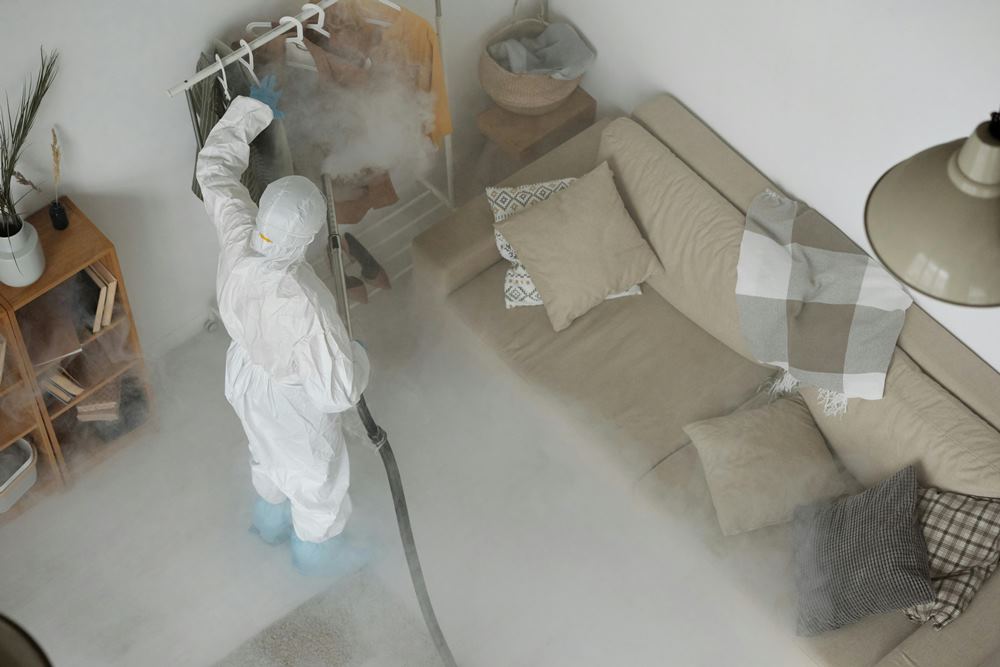
What Are the Early Signs Found During a Pest Inspection?
A pest inspection often reveals early signs that homeowners may miss during regular cleaning. These signs may be small, but they can show that pests are entering, hiding, or preparing to nest.
Common signs include:
- Small gaps around foundations, vents, doors, windows, or utility lines
- Moisture under sinks, in basements, near crawl spaces, or around exterior walls
- Open food packaging in kitchens, pantries, garages, or storage rooms
- Pet food, birdseed, or dry goods stored in loose bags
- Clutter in basements, sheds, crawl spaces, garages, or storage areas
- Droppings near walls, cupboards, garages, or stored items
- Gnaw marks on food packaging, wood, wiring, cardboard, or insulation
- Ant trails near windows, doors, sinks, counters, or foundation edges
- Wasp activity near eaves, sheds, rooflines, decks, or wall openings
- Damaged vents, loose weather stripping, or torn screens
- Nesting material in quiet areas such as attics, sheds, or crawl spaces
- Garbage, compost, or outdoor storage attracting pests close to the home
Which pest signs should homeowners never ignore?
Homeowners should never ignore droppings, gnaw marks, scratching sounds, recurring insects, damaged insulation, wasp nests, or signs of wildlife around rooflines and attics.
How Often Should You Inspect Your Innisfil Home for Pests?
You should inspect your Innisfil home at least once each season. A seasonal pest inspection helps homeowners spot changing pest risks throughout the year.
Spring inspections can reveal moisture issues, foundation gaps, ant activity, flies, spiders, and early wildlife movement after winter.
Summer inspections should focus on wasp nests, ants, spiders, outdoor garbage, compost, sheds, decks, gardens, and food storage around outdoor areas.
Fall inspections are especially important for checking rodent and wildlife entry points before colder weather. Homeowners should inspect door sweeps, garage seals, vents, rooflines, soffits, chimneys, and attic openings.
Winter inspections can reveal indoor pest activity, scratching sounds, droppings, cockroaches, spiders, and rodents that may already be sheltering inside.
Extra inspections are also useful after storms, renovations, roof repairs, basement leaks, or when bringing used furniture, boxes, or stored items into the home.
Should Innisfil homeowners inspect more often during seasonal pest activity?
Yes. Innisfil homeowners should inspect more often during periods of higher seasonal pest activity. Spring, summer, and fall can increase pest movement around foundations, garages, sheds, garbage areas, rooflines, and crawl spaces.
If pest activity keeps returning after basic prevention, professional pest control in Innisfil can help find the source.
What Areas of a Property in Innisfil Should Be Checked?
A proper property pest inspection should include both indoor and outdoor areas. Many pest problems begin outside, then move indoors through small gaps or weak points.
Kitchen and pantry areas
Check cupboards, pantry shelves, dry food, pet food, garbage bins, recycling, under sinks, appliances, baseboards, and plumbing gaps. Look for crumbs, open packaging, droppings, cockroach signs, ant trails, and moisture.
Basement and crawl spaces
Check for dampness, cracks, stored boxes, loose insulation, spider activity, droppings, odours, and signs of movement. These areas often provide shelter for rodents, spiders, ants, and other pests.
Attics and rooflines
Inspect attic openings, roof vents, soffits, chimneys, insulation, and roofline gaps. Look for wildlife signs, wasp activity, nesting material, damaged insulation, or gaps that could allow pests inside.
Garages and sheds
Check stored food, birdseed, pet food, cardboard boxes, firewood, clutter, door gaps, wall edges, and damaged seals. Garages and sheds can attract pests when they provide shelter and food access.
Exterior foundations and walls
Inspect foundation cracks, utility gaps, vents, door sweeps, siding gaps, basement windows, window wells, and areas where moisture collects. Small exterior gaps can become access points for mice, ants, cockroaches, spiders, and other pests.
Garbage, compost, and outdoor storage areas
Check garbage lids, compost bins, recycling, food waste, odours, firewood, garden supplies, and outdoor clutter. These areas can keep pests close to the property and increase the chance of indoor activity.
How Do Rodents, Ants, Cockroaches, Wasps, Spiders, and Wildlife Hide Before Infestations Grow?
Different pests hide in different ways before an infestation becomes obvious. This is why inspections should focus on hidden spaces, not only open areas.
Mice and rats
Mice and rats may hide in basements, garages, wall gaps, crawl spaces, sheds, attics, and storage rooms. Early signs may include droppings, gnaw marks, chewed packaging, and movement sounds.
Ants
Ants may use foundation cracks, window gaps, door edges, moisture areas, and kitchen access points. A small trail may suggest a larger colony nearby.
Cockroaches
Cockroaches often hide near drains, appliances, cupboards, bathrooms, garbage areas, and warm, damp spaces. Seeing one cockroach may suggest more hidden activity.
Wasps
Wasps may build nests near eaves, rooflines, decks, sheds, wall voids, and soffits. Early activity may look minor before the nest becomes larger.
Spiders
Spiders often hide in garages, basements, sheds, corners, cluttered storage spaces, and areas where other insects are active.
Wildlife
Raccoons, squirrels, skunks, and bats may use rooflines, chimneys, vents, decks, crawl spaces, sheds, and attic openings. These issues can become recurring if entry points are not addressed.
Can DIY Pest Inspections Prevent Infestations?
DIY pest inspections can help prevent infestations when homeowners check the property regularly and correct small problems early. Homeowners can look for gaps, moisture, clutter, garbage issues, food storage problems, and visible pest signs.
However, DIY inspections may not find every issue. Some pest activity occurs inside wall voids, insulation, crawl spaces, rooflines, attic corners, and hidden structural gaps. These areas may be difficult to inspect without professional experience.
DIY inspections are helpful for routine prevention, but professional pest control services in Innisfil may be needed when:
- Pest activity keeps returning
- The pest type is unclear
- Signs appear in several areas
- Activity is happening in attics, crawl spaces, or wall gaps
- Rodents, cockroaches, wasps, or wildlife are involved
- DIY prevention does not solve the issue
Professional inspection helps confirm whether the problem is minor, active, or growing.
What Should Be Included in a Regular Pest Inspection Checklist?
A regular pest inspection checklist should cover the main areas where pests find food, water, shelter, and access.
Use this checklist for Innisfil pest prevention:
- Check foundation cracks, vents, utility openings, and exterior gaps
- Inspect door sweeps, garage seals, window screens, and weather stripping
- Look for moisture under sinks, near drains, in basements, and around crawl spaces
- Keep dry goods, pet food, and birdseed in sealed containers
- Clean crumbs, grease, and spills from kitchens and pantry shelves
- Secure garbage, recycling, and compost with tight lids
- Reduce clutter in basements, garages, sheds, and storage areas
- Trim grass, shrubs, vines, and branches away from the building
- Inspect rooflines, soffits, chimneys, vents, and attic openings
- Look for droppings, gnaw marks, nests, insect trails, odours, or scratching sounds
- Schedule professional pest control in Innisfil if signs continue or the source is unclear
When Should You Call Professional Pest Control Services in Innisfil?
You should call professional pest control services in Innisfil when signs of pest activity continue, return after cleaning, or appear in hard-to-reach areas. Professional help is also important when pests may be nesting, spreading, or entering through hidden gaps.
Common reasons to call include:
- Repeated rodent droppings or scratching sounds
- Ant trails returning after cleaning
- Cockroaches appearing indoors
- Wasp nests near living areas
- Wildlife activity near rooflines, attics, decks, or sheds
- Chewed packaging, damaged insulation, or gnaw marks
- Pest activity in more than one area of the home
- Unknown pest signs that are difficult to identify
A professional inspection can help find the source, recommend prevention steps, and provide treatment if needed.
FAQs About Regular Pest Inspections in Innisfil
Most homeowners should inspect their property at least once every season.
Yes. DIY inspections can help you spot obvious signs such as droppings, gaps, clutter, food sources, and moisture.
Important areas include kitchens, pantries, basements, crawl spaces, garages, sheds, attics, rooflines, exterior foundations, garbage areas, compost bins, and outdoor storage spaces.
Early signs may include droppings, gnaw marks, ant trails, scratching sounds, damaged packaging, moisture problems, odours, nesting material, wasp activity, and gaps around the property.
Yes, cleaning helps, but it does not replace regular inspection.
You should call professional pest control when pest signs keep returning, activity spreads to several areas, the pest type is unclear, or pests are active in hard-to-reach areas such as attics, crawl spaces, wall gaps, or rooflines.