
Professional Pest Control Help in Barrie
You need professional pest control help in Barrie when pest activity keeps returning, spreads to more than one area, or creates signs that basic cleaning, traps, or sprays cannot solve. A pest issue may look small at first, but repeated activity often means the source has not been found.
Warning sign
Warning signs may include repeated sightings, pest activity after DIY treatment, droppings in the same area, damage to packaging or insulation, insects appearing in several rooms, or noises coming from spaces you cannot easily inspect.
Risk
These signs may suggest that pests have found food, shelter, moisture, nesting areas, or hidden entry points. When the cause remains active, pests can continue moving through the property even if visible activity is temporarily reduced.
Escalation
Pest problems can become harder to manage when pests spread into walls, attics, basements, crawl spaces, garages, kitchens, storage areas, and roofline gaps. Waiting may give pests more time to nest, reproduce, contaminate surfaces, or damage property.
Professional solution
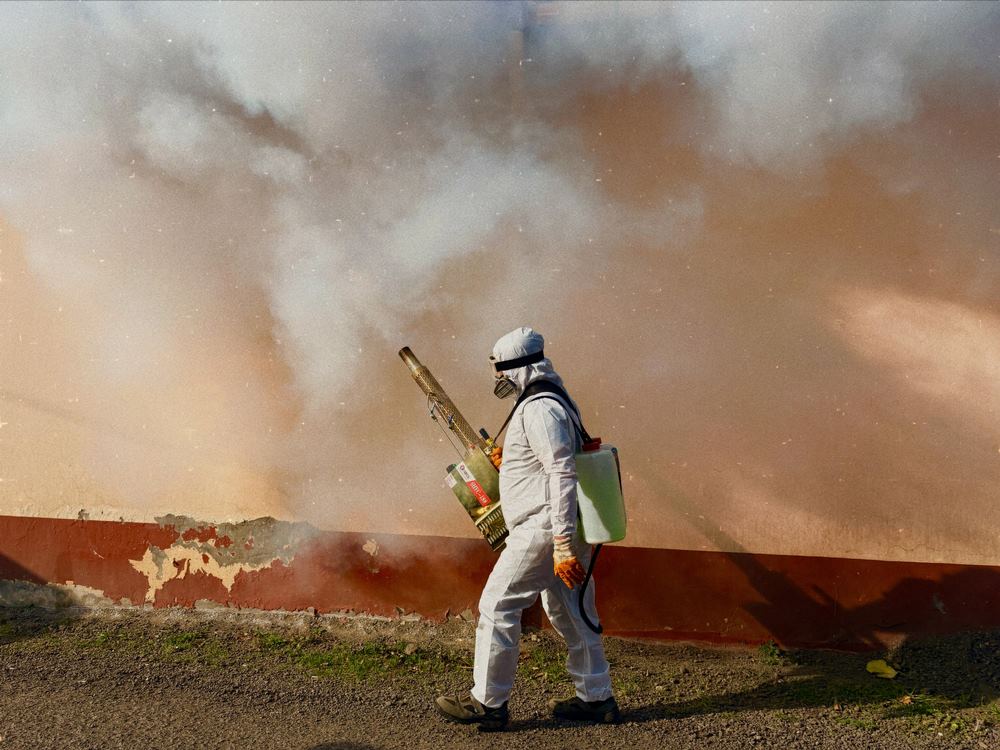
Professional Barrie pest control focuses on identifying the pest, finding the source, checking risk areas, applying targeted treatment, and recommending prevention steps. The goal is to solve the reason pests are active, not only remove the pests you can see.
Key Takeaways
- Professional pest control in Barrie is needed when pest activity is recurring, spreading, damaging property, or difficult to identify.
- DIY pest control may not be enough when pests return after sprays, traps, cleaning, or sealing obvious gaps.
- Mice, rats, bed bugs, ants, cockroaches, wasps, and wildlife can hide in areas homeowners cannot fully inspect.
- A small pest issue can become serious when pests have food, moisture, shelter, and access.
- A Barrie pest exterminator can inspect the property, identify the pest, locate the source, and recommend proper treatment.
- Waiting too long can increase contamination risks, property damage, nesting, and treatment difficulty.
- Calling early can help reduce recurring pest problems and prevent the issue from spreading.
What Are the Signs That DIY Pest Control Is Not Enough?
DIY pest control is not enough when pest activity continues after you have already cleaned, trapped, sprayed, sealed obvious gaps, or removed food sources. Recurring activity usually means the visible pests are only part of the problem.
Common signs include:
- Pests returning a few days or weeks after treatment
- Activity spreading from one room to another
- Droppings appearing in the same area again
- Ant trails returning after counters are cleaned
- Cockroaches appearing near appliances, drains, or cupboards
- Scratching sounds continuing in walls, ceilings, or attic spaces
- New damage to food packaging, wood, insulation, or stored items
- Wasp activity increasing near rooflines, decks, sheds, or wall openings
- Wildlife returning to the same roofline, deck, shed, or crawl space
- Pest signs appearing in areas that are hard to inspect
These signs suggest that the source may still be active. A professional inspection can help confirm whether the problem is isolated, recurring, or spreading.
When should I stop trying DIY pest control?
You should stop relying only on DIY pest control when pests keep coming back, the pest type is unclear, activity spreads, or the issue involves rodents, cockroaches, bed bugs, wasps, or wildlife. These pests often require more than surface treatment.
A pest exterminator in Barrie can identify the source, check hidden areas, and recommend a treatment plan based on the actual pest problem.
What Pest Problems Should Be Treated Quickly?
Some pest problems should be treated quickly because they can spread, cause damage, or become harder to control when ignored. Fast action is especially important when pests are nesting, reproducing, or entering through hidden access points.
Rodent activity
Mice and rats should be addressed quickly when you notice droppings, chewing, food damage, scratching sounds, or activity near basements, garages, kitchens, attics, or storage rooms. Rodents can use small openings and may continue returning if entry points are not corrected.
Cockroach sightings
Cockroaches should be treated quickly because they often hide in warm, damp areas near appliances, drains, cupboards, bathrooms, and garbage. Seeing them repeatedly can suggest hidden activity.
Bed bug signs
Bed bugs should not be ignored when there are bites, stains, shed skins, or activity near mattresses, couches, baseboards, or furniture seams. Early treatment helps reduce the risk of the issue spreading between rooms.
Wasp nests
Wasp nests near decks, sheds, rooflines, soffits, wall voids, or outdoor living areas should be handled carefully. Activity can increase as the nest grows, making removal more difficult.
Wildlife activity
Raccoons, squirrels, skunks, and bats may create damage around attics, chimneys, vents, decks, sheds, crawl spaces, and rooflines. If access points remain open, wildlife may return repeatedly.
Why Do Pest Problems Get Worse Without Treatment?
Pest problems get worse without treatment because pests continue using the same resources and access points. If the source is not corrected, visible activity may decrease for a short time and then return.
Food and moisture
Crumbs, pet food, garbage, compost, leaking pipes, damp basements, drains, and standing water can keep pests active around the property.
Shelter and nesting areas
Cluttered basements, garages, sheds, crawl spaces, wall voids, attics, insulation, and storage areas can give pests protected places to hide or nest.
Entry points
Foundation cracks, door gaps, vents, utility openings, roofline gaps, damaged screens, loose weather stripping, and garage seals can allow pests to keep entering.
Delayed action
The longer these conditions remain, the more likely pests are to spread into new areas. This can make pest removal in Barrie more difficult and may increase the need for professional treatment.
Can pest problems go away on their own?
Most pest problems do not go away on their own when pests have food, moisture, shelter, or access. Some pests may become less visible for a short time, but that does not always mean the infestation is gone.
If activity returns, appears in new areas, or continues after DIY treatment, professional Barrie pest control may be needed.
How Do Different Pests Signal That Professional Help Is Needed?
Different pests create different warning patterns. Knowing when to call a professional can help prevent small issues from becoming larger infestations.
When should you call for mice or rats?
Call for professional help when you notice repeated droppings, scratching sounds, chewed packaging, gnaw marks, nesting material, or rodent activity near kitchens, garages, basements, attics, or storage areas.
When should you call for ants?
Call when ant trails return after cleaning, ants appear in several areas, or activity continues near kitchens, sinks, windows, doors, or foundation edges. Recurring ants may point to a colony that has not been addressed.
When should you call for cockroaches?
Call when cockroaches appear indoors, especially near kitchens, bathrooms, drains, appliances, garbage areas, or cupboards. Regular sightings can suggest hidden activity.
When should you call for bed bugs?
Call when you notice bed bug signs near mattresses, couches, baseboards, bedroom furniture, or personal items. Bed bugs can be difficult to confirm and may spread if hidden areas are missed.
When should you call for wasps?
Call when wasps are nesting near decks, sheds, soffits, rooflines, wall voids, entryways, or outdoor living spaces. Professional help is safer when nests are active or hard to reach.
When should you call for wildlife?
Call when wildlife activity appears near attics, chimneys, rooflines, sheds, decks, crawl spaces, vents, or exterior openings. Wildlife issues often continue if access points are not corrected.
How Can a Barrie Pest Exterminator Help?
A Barrie pest exterminator can help by inspecting the property, identifying the pest, locating the source of activity, and recommending a treatment plan. Professional service looks beyond the visible pest problem and checks the conditions that allow it to continue.
A professional visit may include:
- Pest identification
- Interior and exterior inspection
- Checking entry points
- Looking for nesting or hiding areas
- Assessing food, moisture, and shelter conditions
- Targeted treatment planning
- Prevention and exclusion recommendations
- Follow-up guidance when needed
This approach helps address the cause of the problem instead of relying only on short-term surface control.
What Should You Check Before Calling Pest Control?
Before calling pest control, homeowners can make note of where and when pest activity appears. This information can help the technician understand the pattern of activity.
Helpful details include:
- Where pests were seen
- How often activity happens
- Whether signs appear at night or during the day
- Whether activity is spreading to other areas
- Any droppings, damage, odours, nests, or sounds noticed
- Areas where food, pet food, garbage, or moisture may be present
- Recent DIY products used
- Possible entry points around doors, vents, foundations, garages, or rooflines
You do not need to solve the problem before calling. These details simply help support a more accurate inspection.
When Is Emergency Pest Control Needed in Barrie?
Emergency pest control may be needed when pest activity creates immediate safety, access, or property concerns. Not every pest sighting is an emergency, but some situations should be handled faster.
Urgent situations may include:
- Wasps nesting near doorways, decks, patios, or busy outdoor areas
- Wildlife entering attics, chimneys, crawl spaces, or living spaces
- Rodents damaging wiring, insulation, or food storage areas
- Cockroaches spreading through kitchens, bathrooms, or shared spaces
- Bed bug activity spreading between bedrooms
- Pest activity in a business, restaurant, rental unit, or customer-facing space
- Strong odours, repeated noises, or visible damage suggesting active nesting
If the pest issue is spreading quickly or affecting daily use of the property, calling a professional sooner can help reduce further problems.
FAQs about Barrie Pest Control Help
You may need pest control when pests return, spread, leave droppings, make sounds, cause damage, or appear near food, moisture, walls, ceilings, or entry points.
You should stop relying on DIY pest control when pest activity continues after sprays, traps, cleaning, or sealing obvious gaps.
Never ignore pest droppings, scratching noises, chewed wiring, damaged insulation, bed bug signs, cockroach sightings, wasp nests, or wildlife activity near attics and rooflines.
Yes. A small pest problem can become serious when pests find food, shelter, moisture, and entry points.
Professional pest control is usually more complete for active or recurring infestations because it includes inspection, pest identification, treatment, and prevention planning. DIY methods may reduce visible pests, but they often miss nests, eggs, colonies, moisture issues, and entry points.
Call a pest control company in Barrie when pest signs continue, spread, cause damage, return after DIY treatment, or involve mice, rats, cockroaches, bed bugs, wasps, or wildlife.