Why Fall Is Prime Time for Pest Control
Fall is a critical season for pest control for several reasons:
- Seasonal Migration: Many fall Pest Control Checklist pests, such as rodents and insects, seek warmer shelter as temperatures drop. Your home, with its cozy nooks and crannies, becomes an attractive destination.
- Food Scarcity: As outdoor food sources dwindle, pests may venture indoors in search of sustenance.
- Breeding Cycles: Some pests, including spiders and rodents, may reproduce quickly, contributing to increased activity around the property.
Essential Fall Pest Control Checklist
To effectively protect your Bradford home, follow these essential steps:
1. Inspect Your Home’s Exterior
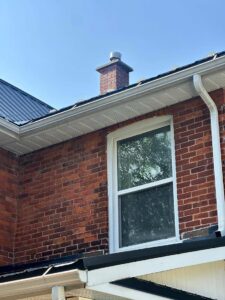
- Seal Entry Points: Carefully examine your home’s exterior for cracks, Pest Control Checklist, gaps, and holes. Seal suitable openings using caulk, weather stripping, or another durable material to prevent pests from gaining access.
- Trim Trees and Shrubs: Keep tree branches and shrubs trimmed away from your home’s walls and roofline. This reduces hiding places and access routes for pests.
- Clean Gutters and Downspouts: Clogged gutters can lead to water damage and attract pests. Regularly clean and repair your gutters to maintain proper drainage.
- Inspect the Foundation: Check for damaged mortar, gaps beneath siding, and openings around utility lines.
- Check Doors and Windows: Replace damaged door sweeps, weather stripping, and window screens.
2. Declutter Your Interior
- Organize Storage Areas: Clutter provides ideal hiding places for Pest Control Checklist. Store belongings in sealed containers and keep storage areas clean and organized.
- Clean Up Food Spills: Promptly clean food spills, crumbs, and grease to discourage pests like ants and cockroaches.
- Wash Dishes Regularly: Dirty dishes can attract pests, especially ants and cockroaches. Wash dishes promptly and keep your kitchen clean.
- Remove Cardboard: Reduce unnecessary cardboard, paper, and other materials that may provide nesting or harbourage areas.
- Inspect Basements and Attics: Look for droppings, gnaw marks, webbing, damaged insulation, and unusual odours.
3. Professional Pest Control
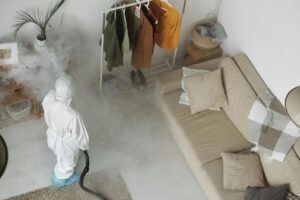
- Schedule a Fall Inspection: Hire a licensed Pest Control Checklist professional to conduct a thorough inspection of your home. A technician can identify signs of activity and recommend appropriate treatments.
- Consider Preventive Treatments: Preventive treatments may help deter pests and protect your home throughout the year. Ask your technician about inspections, monitoring, exclusion work, and suitable treatment options.
When the pest species, nesting area, or extent of an infestation remains unclear, an experienced exterminator can inspect the property and recommend an appropriate treatment and prevention plan.
Common Fall Pests in Bradford
Be on the lookout for these common fall pests in Bradford:
Rodents
Mice and rats are notorious for seeking shelter indoors during the colder months. Common signs include droppings, gnaw marks, damaged packaging, nesting materials, and scratching sounds inside walls or ceilings.
Persistent rat or unidentified rodent activity may require professional rodent removal services. When mice are the primary concern, targeted mice removal services can help identify entry points and nesting areas.
Spiders
As temperatures drop, spiders may move indoors in search of warmer environments and accessible insect prey.
Recurring webs, egg sacs, or spider activity in basements, garages, storage rooms, and crawl spaces may require professional spider control services.
Cockroaches
These resilient pests can survive in various conditions and may invade homes in search of food, water, warmth, and shelter.
Recurring sightings, droppings, egg casings, or unusual odours may require targeted cockroach exterminator services.
Ants
Certain ant species, such as carpenter ants, may remain active in the fall. They may enter homes in search of food, water, or suitable nesting areas.
Persistent trails, sawdust-like material, or suspected colonies may benefit from professional ant control services.
Additional Tips for a Pest-Free Fall
- Store Firewood Properly: Stack firewood away from your home and above the ground where possible to discourage pests from nesting.
- Repair Damaged Screens: Ensure screens on windows and doors are intact, securely fitted, and free of holes.
- Use Natural Deterrents: Peppermint or cedar oil may temporarily discourage certain pests when properly diluted and used safely.
- Manage Moisture: Repair plumbing leaks, improve ventilation, and address condensation in damp areas.
- Secure Food and Waste: Store food, pet food, birdseed, garbage, and compost in containers with tightly fitting lids.
Natural deterrents may provide temporary support, but they may not eliminate an established nest, colony, or concealed infestation. Follow product instructions and keep treatments away from children, pets, food, and sensitive surfaces.
As the crisp autumn air descends upon Bradford, it’s not just the leaves that are changing. It’s also the time when unwanted critters start seeking shelter in your warm, cozy home. To support a pest-free fall and winter, take a proactive approach to pest prevention.
Why Fall Is the Perfect Time for Pest Prevention
Fall is a critical period for pest control. As temperatures drop, many pests, such as rodents and insects, seek warmer and more sheltered environments. Your home, with its inviting warmth and potential food sources, can become an attractive target.
A Step-by-Step Guide to Pest-Proofing Your Home
1. Exterior Inspection and Sealing
- Seal Cracks and Crevices: Conduct a thorough inspection of your home’s exterior, paying close attention to cracks, gaps, and holes around windows, doors, foundations, vents, and utility openings.
- Trim Trees and Shrubs: Keep tree branches and shrubs trimmed away from your home’s walls and roof. This reduces hiding spots and access routes for pests.
- Clean Gutters and Downspouts: Clogged gutters can lead to moisture problems and attract Pest Control Checklist. Clean and repair your gutters to maintain proper drainage.
- Inspect the Roofline: Check soffits, fascia boards, vents, siding, and roofing materials for damaged areas.
- Check Garage Doors: Examine the lower seal and edges for openings that may allow rodents or insects to enter.
2. Interior Cleanup and Organization
- Declutter and Organize: Clutter provides ideal hiding places for pests. Store items in sealed containers and keep storage areas clean and organized.
- Kitchen Cleanliness: Clean food spills promptly and store food in airtight containers. Wash dishes regularly to eliminate food odours and residue that may attract pests.
- Regular Cleaning: Dust, vacuum, and mop regularly to remove crumbs, grease, and other debris.
- Clean Beneath Appliances: Remove food residue from beneath refrigerators, stoves, dishwashers, and other appliances.
- Monitor Hidden Areas: Inspect basements, attics, garages, crawl spaces, and utility rooms for signs of activity.
3. Professional Pest Control
- Schedule a Fall Inspection: Hire a licensed pest control professional to inspect your home. A technician can identify vulnerabilities, pest activity, and possible nesting areas.
- Preventive Treatments: Consider suitable preventive measures to deter pests and protect your home throughout the year.
- Monitoring: Regular monitoring can help detect pest activity before it develops into a larger infestation.
Common Fall Pests in Bradford
Be on the lookout for these common fall invaders:
- Rodents: Mice and rats are notorious for seeking shelter indoors during colder months.
- Spiders: As temperatures drop, spiders may move indoors in search of warmer environments.
- Cockroaches: These resilient pests can survive in various conditions and may invade homes in search of food and Pest Control Checklist.
- Ants: Certain ant species, including carpenter ants, may remain active during the fall.
Additional Tips for a Pest-Free Fall
- Store Firewood Properly: Stack firewood away from your home and keep it elevated where possible.
- Repair Damaged Screens: Ensure screens on windows and doors are in good condition.
- Use Natural Deterrents: Consider properly diluted peppermint or cedar oil as part of a broader prevention plan.
- Remove Outdoor Debris: Clear leaves, damaged wood, unused containers, and other materials that may provide shelter.
- Fix Leaks: Address plumbing leaks, condensation, standing water, and drainage problems promptly.
- Inspect Stored Items: Check seasonal decorations, boxes, furniture, and clothing before moving them into living areas.
Bradford homeowners dealing with recurring insects, rodents, or several household pest concerns may benefit from customized residential pest control services that combine inspection, treatment, monitoring, and practical prevention recommendations.
By taking these proactive steps, you can significantly reduce the risk of pest infestations and enjoy a more peaceful fall and winter season in your Bradford home. Remember, prevention is key.
By following this comprehensive Pest Control Checklist, you can safeguard your Bradford home and support your family’s health and well-being. Regular inspections and timely treatments can help you stay ahead of recurring pest problems.
When pest activity persists, returns after treatment, or cannot be safely identified, professional pest control in Bradford can provide additional support and develop a treatment strategy based on the conditions found at your property.