Are you General Pest Control of sharing your home with unwanted guests like ants, cockroaches, or rodents? Pest infestations can be a major nuisance and can pose health risks to you and your family. With a few simple steps, you can effectively prevent and control pests in your home.
Key Points
- Regular Cleaning: Keep your home clean and clutter-free.
- Food Storage: Store food in airtight containers.
- Water Sources: Fix leaky pipes and faucets.
- Entry Points: Seal cracks and crevices.
- Outdoor Maintenance: Keep your yard tidy.
- Professional Help: Consider hiring a pest control professional.
Table of Contents
- Common Household Pests
- The Importance of Pest Control
- General Pest Prevention Tips
- Regular Cleaning and Maintenance
- Food Storage
- Water Management
- Sealing Entry Points
- Outdoor Maintenance
- Specific Pest Control Tips
- Ants
- Cockroaches
- Rodents
- Termites
- When to Call a Professional
- Conclusion
1. Common Household Pests
Before we dive into prevention tips, let’s identify some of the most common household General Pest Control:
Ants
These tiny invaders are attracted to food and water. They often enter kitchens, bathrooms, pantries, and other areas where crumbs, spills, or moisture are available.
Cockroaches
These resilient pests thrive in warm, damp environments. They may hide beneath appliances, inside cabinets, near drains, or in other dark and protected spaces.
Rodents
Mice and rats can cause significant damage to your home and pose health risks. They may damage food packaging, insulation, wiring, furniture, and stored belongings.
Termites
These silent destroyers can cause severe structural damage to your home by feeding on wood and other cellulose-based materials.
2. The Importance of Pest Control
Ignoring a pest infestation can lead to several problems:
- Property Damage: Pests can chew through wires, damage furniture, contaminate stored belongings, and weaken structural components.
- Health Risks: Some pests can spread harmful pathogens or contaminate food and preparation surfaces.
- Allergy Concerns: Cockroach debris, rodent materials, and other pest-related particles may trigger allergy or respiratory symptoms.
- Psychological Stress: Sharing your home with pests can be unsettling and stressful.
- Recurring Activity: Untreated nests, colonies, and entry points can allow pests to continue returning.
3. General Pest Prevention Tips
Here are some General Pest Control tips to help you prevent pest infestations:
Regular Cleaning and Maintenance
- Clean up spills and crumbs promptly.
- Vacuum regularly, paying attention to corners and crevices.
- Wipe down countertops, tables, stovetops, and appliances.
- Wash dishes promptly.
- Take out the trash regularly.
- Clean beneath furniture and appliances where debris can accumulate.
- Remove unnecessary cardboard, paper, and clutter that may provide hiding places.
Food Storage
- Store food in airtight containers.
- Clean up spills immediately.
- Don’t leave food out overnight.
- Keep pet food, birdseed, and pantry products in secure containers.
- Use garbage and compost bins with tightly fitting lids.
Water Management
- Fix leaky pipes and faucets.
- Empty pet water bowls when appropriate and keep the surrounding area clean.
- Don’t leave standing water in trays under plants.
- Address condensation and damp areas beneath sinks.
- Clean gutters and ensure water drains away from the foundation.
- Use ventilation or a dehumidifier in damp basements and crawl spaces.
Sealing Entry Points
- Seal cracks and crevices around windows, doors, and foundations.
- Repair damaged screens.
- Use caulk or weather stripping to seal suitable gaps.
- Inspect openings around pipes, cables, vents, and utility lines.
- Replace damaged door sweeps.
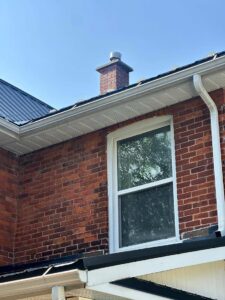
- Check siding, soffits, rooflines, and garage doors for openings.
Outdoor Maintenance
- Trim trees and shrubs away from your home.
- Remove debris and clutter from your yard.
- Store firewood away from your home and above the ground where possible.
- Repair damaged gutters and downspouts.
- Keep garbage and compost containers securely closed.
- Remove standing water from outdoor containers.
4. Specific Pest Control Tips
Here are some specific tips for controlling common household General Pest Control:
Ants
- Identify the type of ant to determine the most suitable approach.
- Clean up food spills, grease, and crumbs.
- Follow active trails to locate possible entry points.
- Seal cracks around windows, doors, baseboards, and foundations.
- Use suitable ant baits or traps according to the product instructions.
Persistent trails or suspected colonies may require professional ant control services to locate nesting areas and recommend a targeted treatment.
Cockroaches
- Clean kitchens, bathrooms, drains, and food storage areas thoroughly.
- Seal cracks and crevices around cabinets, pipes, baseboards, and appliances.
- Repair leaks and reduce excess moisture.
- Use suitable cockroach baits or monitoring traps according to label instructions.
- Inspect beneath sinks and behind appliances for droppings, egg casings, or unusual activity.
Recurring sightings, droppings, egg casings, or unusual odours may require professional cockroach exterminator services.
Rodents
- Seal entry points around foundations, vents, pipes, garage doors, and utility openings.
- Store food in airtight containers.
- Clean up spills and crumbs.
- Remove clutter and possible nesting materials.
- Use suitable traps or secure bait stations according to product instructions.
- Monitor for droppings, gnaw marks, damaged packaging, and scratching noises.
Persistent rat or unidentified rodent activity may require professional rodent removal services. When mice are the primary concern, targeted mice removal services can help locate entry points and nesting areas.
Termites
- Have your home inspected regularly, especially when signs of wood damage appear.
- Repair water damage and moisture problems promptly.
- Keep soil, mulch, and stored wood away from vulnerable structural components.
- Seek professional assessment when mud tubes, damaged wood, or possible termite activity are discovered.
5. When to Call a Professional
If you have a severe General Pest Control infestation or are unable to control the problem on your own, it’s time to call a professional pest control company. Professionals have the knowledge and tools to identify pests, inspect hidden areas, and recommend suitable treatments.
An experienced exterminator can provide a detailed assessment when the pest species, nesting location, entry point, or extent of the infestation remains unclear.
Professional help may be appropriate when:
- Pest activity continues after repeated DIY treatments.
- Several rooms or areas of the property are affected.
- Pests are nesting inside walls, ceilings, attics, or crawl spaces.
- You notice extensive droppings, gnaw marks, damage, or contamination.
- The pest cannot be safely or accurately identified.
- The infestation affects a commercial or food-related property.
Understanding the Enemy: Common Household Pests
Before we dive into the tactics, let’s identify the most common household pests:
- Ants: These tiny invaders are attracted to food and water, often marching in long, determined lines.
- Cockroaches: These resilient creatures thrive in dark, damp areas and can quickly infest your home.
- Rodents: Mice and rats can cause significant damage to your property and create health concerns.
- Termites: These silent destroyers can weaken your General Pest Control structural integrity from within.
Fortifying Your Home: Prevention Strategies
1. Cleanliness Is Key
- Regular Cleaning: Make a habit of wiping down countertops, sweeping floors, and vacuuming regularly.
- Food Storage: Store food in airtight containers to prevent attracting pests.
- Trash Management: Dispose of garbage promptly and securely.
- Clutter Reduction: Remove materials that can provide concealed nesting and hiding places.
2. Sealing the Gaps
- Inspect Thoroughly: Look for cracks and crevices around windows, doors, foundations, vents, and utility openings.
- Seal Entry Points: Use caulk, weather stripping, steel wool, or another suitable material to close openings.
- Screen Windows and Doors: Ensure screens are intact, properly fitted, and free of holes.
- Inspect the Roofline: Check soffits, fascia boards, vents, and siding for damaged areas.
3. Water Control
- Fix Leaks: Promptly repair leaky pipes and faucets.
- Drain Standing Water: Eliminate sources of standing water, such as flowerpot trays or General Pest Control.
- Improve Ventilation: Reduce excess moisture in bathrooms, basements, and utility areas.
- Maintain Drainage: Direct rainwater away from the foundation.
4. Outdoor Maintenance
- Trim Vegetation: Keep trees and shrubs trimmed away from your home.
- Clear Debris: Remove piles of leaves, wood, and other debris.
- Store Firewood Properly: Stack firewood away from your home and off the ground.
- Secure Waste: Keep garbage and compost containers tightly closed.
Targeted Tactics: Pest-Specific Solutions
1. Ant Invasion
- Identify the Species: Determine the type of ant to tailor your approach.
- Eliminate Food Sources: Clean up spills, crumbs, grease, and food residue.
- Use Ant Baits: Place suitable ant baits strategically in areas where ants are active.
- Seal Access Points: Close cracks and openings after active trails have been assessed.
2. Cockroach Control
- Sanitation: Maintain a clean kitchen and General Pest Control.
- Seal Entry Points: Reduce access through cracks, plumbing gaps, and utility openings.
- Use Baits and Traps: Employ suitable cockroach baits and monitoring traps according to label instructions.
- Reduce Moisture: Repair plumbing leaks and dry damp areas.
3. Rodent Control
- Seal Entry Points: Block potential access points around the exterior and interior of the property.
- Set Traps: Place suitable traps in areas where signs of rodent activity have been observed.
- Remove Food Sources: Store food, pet food, and birdseed in secure containers.
- Consider Professional Extermination: For severe or recurring infestations, consult a pest control expert.
4. Termite Defence
- Regular Inspections: Schedule inspections when your property has vulnerable wooden components or previous moisture damage.
- Professional Treatment: If termites are detected, seek professional assessment and treatment.
- Moisture Management: Repair leaks and improve drainage around affected areas.
When to Call in the Experts
If you’re struggling to control a pest infestation or the problem is severe, it’s best to consult a professional pest control service. A trained technician can inspect the affected areas, identify the pest, and determine whether a nest, colony, or untreated entry point is contributing to the problem.
Homeowners dealing with recurring insects, rodents, or several household pest concerns may benefit from customized residential pest control services that combine inspection, treatment, monitoring, and prevention recommendations.
By combining these preventive measures and targeted solutions, you can effectively combat pests and protect your home. Remember, a proactive approach is the key to a more comfortable environment.
Conclusion
By following these general pest control and prevention tips, you can significantly reduce your risk of infestations. Prevention is key. By taking proactive measures, you can enjoy a pest-free home and greater peace of mind.
Pests can turn your peaceful home into a battleground. With a proactive approach and a few simple strategies, you can deter unwanted intruders and maintain a more comfortable environment. When activity persists or returns after treatment, professional pest control services can provide additional support based on the conditions found at your property.