• Skip to primary navigation
  • Skip to main content
  • Skip to primary sidebar
Simcoe Pest X

Simcoe Pest X

Pest Control

  • Home
  • About
  • Blog
  • Service Areas
    • Barrie
    • Bradford
    • Collingwood
    • Innisfil
    • King City
    • Newmarket
    • Orillia
  • Reviews
  • Services
    • Residential Pest Control
    • Commercial Pest Control
    • Wildlife Removal
    • Tick Control
    • Rodent Clean-Out & Restoration
  • Contact
  • Free Estimate
  • (705) 905-7378
  • Show Search
Hide Search

Innovative Pest Control Technologies Used in Markham

Ali · December 30, 2024 ·

Pest Control Technologies

Markham’s mix of residential neighbourhoods, commercial properties, green spaces, and changing seasons creates conditions where pest activity can develop throughout the year. Modern pest control technologies can help property owners detect activity earlier, target treatments more accurately, and reduce unnecessary pesticide use.

From digital monitoring and Integrated Pest Management (IPM) to targeted heat treatments and remote inspection tools, pest management is becoming more precise and prevention-focused.

Why Advanced Pest Control Matters in Markham

Different pests become active under different conditions. Rodents may move indoors during colder weather, ants become more noticeable during warmer months, and wasps frequently establish nests during spring and summer. Wildlife may also enter rooflines, attics, chimneys, and other sheltered areas.

Traditional pest control can still be effective, but newer technologies allow technicians to monitor activity, identify problem areas, and select treatments based on evidence rather than treating an entire property unnecessarily.

Benefits of Modern Pest Control Technologies

  • Earlier detection: Monitoring devices can identify activity before an infestation becomes widespread.
  • Targeted treatment: Treatments can focus on active areas rather than unnecessary applications throughout a property.
  • Reduced pesticide use: Monitoring, exclusion, sanitation, trapping, and other non-chemical methods may reduce reliance on pesticides.
  • Better monitoring: Digital systems can provide information about where and when pest activity occurs.
  • Long-term prevention: Technology can be combined with structural repairs and property maintenance to reduce recurring problems.

Smart Pest Monitoring Systems

Smart pest monitoring uses sensors, connected traps, cameras, and digital reporting tools to track pest activity. These systems are particularly useful in commercial buildings, warehouses, restaurants, multi-unit properties, and other locations where continuous monitoring is important.

Rodent Monitoring Sensors

Electronic rodent-monitoring devices can detect activity around traps or monitoring points. Technicians can use this information to determine where rodents are travelling and which areas require closer inspection.

Digital Insect Monitoring

Monitoring traps can help track insect activity over time. Depending on the pest, traps may use attractants or pheromones to help identify where activity is concentrated.

Camera-Based Monitoring

Cameras and automated monitoring systems may be used in suitable commercial environments to observe pest activity in storage, mechanical, loading, and waste-handling areas.

Property owners dealing with persistent activity may benefit from an assessment by an experienced pest control provider that can combine monitoring data with a physical inspection.

Integrated Pest Management

Integrated Pest Management (IPM) combines inspection, monitoring, sanitation, exclusion, trapping, environmental changes, and targeted pesticide use when necessary.

Instead of relying on one treatment method, IPM focuses on understanding why pests are present and addressing the conditions supporting them.

An IPM Program May Include:

  • Identifying the pest species
  • Locating nesting, breeding, or harbourage areas
  • Monitoring activity levels
  • Removing food and moisture sources
  • Sealing suitable entry points
  • Using traps or other physical controls
  • Applying registered pest control products where appropriate
  • Reviewing results and adjusting the treatment plan

Lower-Impact Pest Control Products

Modern pest management increasingly focuses on applying the least amount of treatment necessary to achieve effective control. Depending on the pest and property, technicians may use baits, targeted crack-and-crevice applications, trapping, exclusion, or other lower-impact approaches.

The safest option depends on the specific pest. Products should always be registered for their intended use and applied according to the label, particularly around children, pets, food areas, and sensitive environments.

Biological Pest Control

Biological pest control uses naturally occurring organisms to manage certain pest populations. It is most commonly associated with gardens, landscaping, agriculture, and outdoor pest management rather than general indoor extermination.

Beneficial nematodes, for example, may be used against certain soil-dwelling pests when appropriate. Biological control works best when the target pest has been correctly identified and the method is suited to the environment.

Heat Treatment Technology

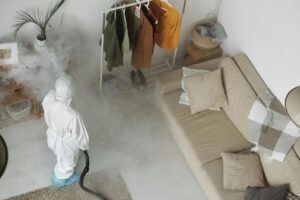
Professional heat treatment can be used for certain indoor pest problems, particularly bed bugs. Specialized equipment raises temperatures throughout the treatment area to levels designed to affect multiple life stages of the pest.

Heat treatment requires professional monitoring because temperatures must be maintained consistently throughout the affected space while protecting heat-sensitive belongings and building materials.

Unlike improvised heating methods, professional systems use controlled equipment and temperature monitoring. Property owners should not attempt to heat rooms themselves as a pest control method.

Remote and Drone-Assisted Inspections

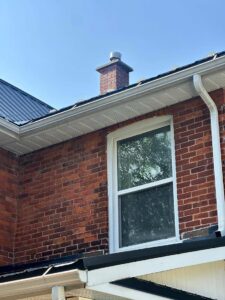
Some pest and wildlife inspections can benefit from cameras, telescopic equipment, or drones when rooflines, commercial buildings, or other difficult-to-access areas need to be examined.

Potential Uses Include:

  • Inspecting rooflines and elevated exterior areas
  • Identifying visible nests
  • Examining structural damage from a safe position
  • Reviewing large commercial or industrial properties
  • Documenting areas that require closer inspection

These tools support an inspection but do not replace the need for proper pest identification and an on-site assessment when treatment is required.

Digital Pest Control Reporting

Digital reporting systems allow technicians and property managers to document inspections, pest sightings, treatment locations, monitoring results, and follow-up recommendations.

This can be particularly useful for commercial pest control, where businesses may need consistent monitoring records across kitchens, storage areas, warehouses, waste areas, or multiple locations.

Digital Tools May Help With:

  • Tracking pest sightings
  • Recording monitoring results
  • Scheduling inspections
  • Documenting treatment areas
  • Identifying recurring activity
  • Maintaining service records

What About Ultrasonic Pest Repellers?

Ultrasonic pest repellers are marketed as a chemical-free way to discourage rodents and insects by producing high-frequency sound. However, they should not be relied upon as the primary solution for an established infestation.

Inspection, exclusion, sanitation, trapping, monitoring, and appropriate professional treatment provide a more complete approach to pest management.

Technology Does Not Replace Pest Prevention

Advanced equipment is most effective when combined with basic property maintenance. Sensors can detect rodents, for example, but they do not close the opening the rodents are using to enter the building.

Property owners should continue to:

  • Seal suitable cracks and structural openings.
  • Repair damaged screens, vents, and door sweeps.
  • Store food and waste securely.
  • Repair plumbing leaks and moisture problems.
  • Reduce clutter in storage areas.
  • Maintain landscaping around exterior walls.
  • Monitor areas where pest activity has occurred previously.

Choosing the Right Pest Control Technology

The best technology depends on the pest, property, activity level, and environment. A monitoring sensor may be useful for rodents, while heat treatment may be considered for certain bed bug infestations. Wildlife problems may require inspection equipment and exclusion rather than pesticide treatment.

A professional assessment should determine:

  • Which pest is present
  • Where the activity is concentrated
  • How the pest is entering or spreading
  • Which monitoring method is useful
  • Whether non-chemical controls are appropriate
  • Whether targeted treatment is required
  • What changes can reduce future activity

Modern Pest Management for Markham Properties

Advanced pest control technologies can improve detection, monitoring, treatment accuracy, and long-term prevention. However, technology works best as part of a complete pest management strategy that includes inspection, exclusion, sanitation, monitoring, and targeted treatment.

If pest activity continues despite preventive measures, a qualified exterminator can inspect the property, identify the source of the problem, and recommend an appropriate control plan.

Combining professional expertise with modern monitoring and treatment methods can help Markham homeowners and businesses manage pest problems more efficiently while reducing unnecessary treatment.

pest control guide Markham, Ontario, pest control markham, Pest Control Solutions, Pest Control Technologies, pest extermination, pest identification

Primary Sidebar


Recent Posts

  • Eco-Friendly Tick Management in Bradford, ON August 17, 2026
  • The Top 4 Summer Wasp Hotspots in Bradford Backyards August 15, 2026
  • How to Choose the Right Exterminator in Bradford? August 13, 2026
  • Pest Control Costs & Exterminator Prices in Bradford, ON August 10, 2026
  • How to Get Rid of Cockroaches July 31, 2026
  • How to Get Rid of Carpenter Ants July 29, 2026
  • How to Get Rid of Wasps Around Your Home Safely July 27, 2026
  • How to Get Rid of Raccoons in Your Attic July 26, 2026
  • How to Get Rid of Bed Bugs July 25, 2026
  • How to Get Rid of Wildlife July 24, 2026

Categories

Search

Pest Control Services in Bradford, Barrie & Simcoe County

Get a Free Estimate

Pest Control Services

  • Mice and Rat Control
  • Rodent Removal
  • Tick Control
  • Ant Control
  • Cockroach Control
  • Bed Bug Extermination
  • Wasps and Bees Control
  • Spider Control
  • Other Pest & Wildlife Services

Wildlife & Cleanout

  • Wildlife Control
  • Pest Cleanout Services
  • Free Pest Control Estimate

Company

  • About Simcoe Pest X
  • Reviews
  • Blog
  • Contact Us

Service Areas

  • Pest Control Bradford
  • Pest Control Barrie
  • Pest Control Collingwood
  • Pest Control Innisfil
  • Pest Control King City
  • Pest Control Newmarket
  • Pest Control Orillia

Contact Our Locations

  • Bradford Office
    107 Holland St E, Bradford, ON L9C 1C3
    (705) 905-7378
    Open 24 Hours
  • Barrie Office
    92 Caplan Ave Suite 765B, Barrie, ON L4N 0Z7
    (705) 241-2172
    Open 24 Hours
  • Facebook
  • Instagram
  • LinkedIn
  • Twitter
  • YouTube

Copyright © 2026 · Simcoe Pest X · Terms & Conditions · Privacy Policy