Common Pests Found in Newmarket Properties
Newmarket homes and businesses can experience different pest problems throughout the year. Seasonal weather, mature landscaping, food and water sources, building conditions, and nearby green spaces can all influence insect, rodent, and wildlife activity.
Understanding which pests are present and why they are attracted to a property is the first step toward effective control.
Ants
Ants often become more noticeable during warmer months when colonies are actively searching for food and moisture. They may enter buildings through small openings around foundations, doors, windows, plumbing, and exterior walls.
Depending on the species, nests may be located:
- Beneath patios and walkways
- Inside wall voids
- Under flooring
- Around landscaping
- Near moisture-damaged wood
Repeated trails may indicate an established colony nearby. Professional ant control can help identify the species and determine where activity is concentrated.
Mice and Rats
Mice and rats enter buildings in search of food, water, warmth, and shelter. They may gain access through foundation gaps, garage doors, utility openings, vents, rooflines, or spaces around pipes and wiring.
Common signs include:
- Droppings
- Gnawed food packaging
- Scratching inside walls or ceilings
- Nesting material
- Damage to insulation or wiring
Removing individual rodents may not solve the problem if entry points remain open. Professional rodent control may combine inspection, monitoring, trapping, sanitation recommendations, and structural exclusion.
Cockroaches
Cockroaches prefer warm, dark, moisture-prone areas and may hide around kitchens, washrooms, drains, cupboards, appliances, and utility spaces.
They can contaminate food and surfaces as they move between waste areas, drains, storage spaces, and living areas. Their droppings and shed material may also contribute to allergy or asthma concerns for sensitive individuals.
Recurring sightings may indicate hidden activity that requires professional cockroach control.
Bed Bugs
Bed bugs may be brought into homes, apartments, hotels, or other occupied buildings on luggage, clothing, furniture, backpacks, and personal belongings.
Their presence is not related to how clean a property is. Common hiding areas include:
- Mattress seams
- Bed frames
- Headboards
- Baseboards
- Upholstered furniture
- Narrow cracks near sleeping areas
If bed bugs are suspected, professional bed bug control can help determine the extent of activity before it spreads further.
Spiders
Spiders are commonly found around basements, garages, sheds, storage rooms, windows, exterior lighting, and undisturbed corners.
Recurring spider activity may also suggest that other insects are present as a food source. Removing webs, reducing clutter, sealing suitable gaps, and managing other insect activity can help reduce spider populations.
Persistent problems may require professional spider control.
Wasps and Other Stinging Insects
Wasps may build nests around rooflines, sheds, decks, soffits, trees, wall openings, vents, and underground areas.
Nests close to doors, patios, walkways, play areas, or other frequently used spaces can create a sting risk and should not be disturbed unnecessarily.
Professional wasp and bee control allows the nest location and surrounding conditions to be assessed before treatment.
What Causes Pest Problems?
Pest infestations rarely happen for only one reason. Most properties provide one or more of the basic conditions pests need to survive.
Accessible Food
Crumbs, food spills, pet food, pantry products, garbage, recycling, and outdoor waste can attract ants, cockroaches, rodents, flies, and wildlife.
Even small amounts of food can support pest activity when they remain available consistently.
Water and Moisture
Leaking plumbing, condensation, damp basements, drains, and standing water can provide pests with reliable moisture.
Cockroaches, silverfish, flies, and other insects are often associated with moisture-prone areas.
Shelter and Harbourage
Pests look for protected spaces where they can hide, nest, or reproduce.
Common harbourage areas include:
- Wall voids
- Attics
- Basements
- Garages
- Storage rooms
- Cluttered areas
- Dense landscaping
Structural Entry Points
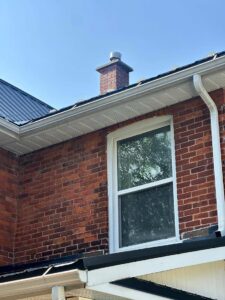
Cracks, worn door seals, damaged screens, utility openings, vents, and roofline gaps can give pests direct access to the building.
How to Prevent Pest Infestations
1. Keep Food Areas Clean
Regular cleaning helps remove food sources that can support pest activity.
Focus on:
- Kitchen counters
- Floors
- Areas beneath appliances
- Pantries
- Pet feeding areas
- Commercial food-preparation areas
Cleaning alone will not eliminate every infestation, but it is an important part of reducing conditions that attract pests.
2. Store Food Securely
Keep pantry items, cereals, grains, snacks, pet food, and other dry goods in suitable sealed containers where practical.
Check stored products regularly for damaged packaging, insects, or other signs of activity.
3. Seal Potential Entry Points
Inspect the property for:
- Foundation cracks
- Gaps around doors and windows
- Damaged screens
- Utility openings
- Roofline gaps
- Garage door edges
- Openings around pipes and wiring
Repair or seal suitable openings using materials appropriate for the structure and pest involved.
Professional Pest Control in Newmarket
If insects, rodents, or wildlife continue returning despite basic prevention measures, homeowners and businesses can arrange professional pest control in Newmarket for inspection, pest identification, treatment, monitoring, and prevention recommendations.
A detailed inspection can help identify where pests are entering, where they are hiding, and what conditions are supporting the infestation.
4. Manage Moisture
Repair leaking pipes, faucets, appliances, or drains promptly. Areas that remain damp can support multiple types of pests.
Inspect:
- Bathrooms
- Basements
- Laundry rooms
- Utility areas
- Areas beneath sinks
- Water-connected appliances
5. Manage Garbage and Recycling
Use waste containers that close properly and clean food residue or spills when needed.
Businesses should pay particular attention to garbage areas, loading zones, kitchens, storage areas, and exterior waste containers.
6. Reduce Clutter
Cardboard boxes, unused materials, and crowded storage spaces can provide hiding and nesting opportunities for rodents, cockroaches, spiders, and other pests.
Organized storage areas also make pest evidence easier to detect.
7. Maintain Landscaping
Trim excessive shrubs and branches around the building and remove unnecessary leaves, plant debris, wood piles, and other materials that can provide harbourage.
Keeping the foundation accessible also makes it easier to inspect for structural gaps and pest activity.
When DIY Pest Control Has Limitations
Minor pest activity may sometimes be reduced through cleaning, exclusion, monitoring, or appropriate traps. However, DIY methods may not address hidden nests, colonies, breeding areas, structural entry points, or widespread infestations.
Homemade sprays, strong scents, and household remedies should not be relied upon as the primary treatment for an established infestation.
If a registered pest-control product is used, always follow its labelled directions and safety requirements.
Professional Inspection Can Find Hidden Problems
When the source of an infestation is difficult to identify, professional pest control services can help locate harbourage areas, structural openings, moisture problems, food sources, and pest travel routes that may otherwise be missed.
This is particularly useful when activity is occurring inside walls, ceilings, attics, crawl spaces, commercial storage areas, or neighbouring units.
When to Call an Exterminator
Pest Activity Keeps Returning
Repeated sightings after basic prevention measures may indicate that the underlying source has not been addressed.
The Infestation Is Increasing
More frequent sightings, droppings, damaged materials, or pest activity in several areas can indicate an established infestation.
You Hear Activity Inside Walls or Ceilings
Scratching or gnawing noises may indicate rodents or wildlife are active in concealed areas.
Property Damage Is Visible
Gnawed wiring, damaged insulation, holes in wood, damaged food packaging, or other unexplained damage should be investigated.
You Cannot Identify the Pest
Accurate identification is important because different pests require different control methods. Treating the wrong pest can waste time while the actual infestation continues.
Choosing the Right Pest Control Company
When comparing pest-control companies, look beyond price alone.
Ask questions such as:
- Do you inspect before recommending treatment?
- Do you regularly treat this pest?
- What treatment method is being recommended?
- Why is that method appropriate?
- Is monitoring included?
- Are follow-up visits available?
- Do you provide exclusion recommendations?
- What preparation is required?
A good pest-management plan should explain what is causing the activity and how the risk of recurrence can be reduced.
Use Integrated Pest Management
Integrated Pest Management (IPM) combines multiple strategies rather than relying solely on pesticide applications.
An IPM program may include:
- Accurate pest identification
- Inspection
- Monitoring
- Structural exclusion
- Food management
- Waste management
- Moisture reduction
- Clutter reduction
- Trapping where appropriate
- Targeted treatment when required
- Follow-up monitoring
This approach focuses on why pests are present and what can be changed to reduce future infestations.
Modern Pest Control and Monitoring
Pest management increasingly uses monitoring tools to detect activity before an infestation becomes obvious.
Depending on the property and pest, monitoring may help technicians:
- Identify active areas
- Track rodent movement
- Detect insect activity
- Evaluate whether treatment is working
- Determine whether additional areas require inspection
Technology can improve monitoring, but it does not replace proper inspection, identification, sanitation, exclusion, and targeted treatment.
Stay Ahead of Pest Problems
Successful pest control starts with early detection and a clear understanding of the conditions supporting the infestation. Food, water, shelter, clutter, structural gaps, and seasonal conditions can all influence pest activity.
If an infestation remains established or difficult to locate, an experienced exterminator can inspect the property and recommend an appropriate pest-management approach.
Regular inspections, sanitation, moisture control, structural maintenance, and timely treatment can help Newmarket homeowners and businesses reduce recurring pest problems throughout the year.