• Skip to primary navigation
  • Skip to main content
  • Skip to primary sidebar
Simcoe Pest X

Simcoe Pest X

Pest Control

  • Home
  • About
  • Blog
  • Service Areas
    • Barrie
    • Bradford
    • Collingwood
    • Innisfil
    • King City
    • Newmarket
    • Orillia
  • Reviews
  • Services
    • Residential Pest Control
    • Commercial Pest Control
    • Wildlife Removal
    • Tick Control
    • Rodent Clean-Out & Restoration
  • Contact
  • Free Estimate
  • (705) 905-7378
  • Show Search
Hide Search

Pest-Proof Your Newmarket Home: A Step-by-Step Guide

Ali · March 10, 2025 ·

Pest-Proof Your Newmarket Home

Common Pests Found in Newmarket Homes

Newmarket homes can attract a variety of pests throughout the year. Residential neighbourhoods, mature trees, gardens, nearby green spaces, changing seasons, and easy access to food or shelter can all influence pest activity.

The most common problems involve rodents, insects, and wildlife. Understanding what attracts these pests and how they enter a property can help homeowners reduce the risk of recurring infestations.

Mice and Rats

Mice and rats may enter homes while searching for food, warmth, water, and protected nesting areas. They can gain access through openings around foundations, garage doors, utility lines, vents, rooflines, and plumbing penetrations.

Signs of rodent activity may include:

  • Droppings
  • Gnawed food packaging
  • Scratching sounds inside walls or ceilings
  • Nesting material
  • Damage to insulation or wiring

Persistent activity may require professional rodent removal combined with monitoring and structural exclusion.

Ants

Ants may enter through small openings around windows, doors, foundations, plumbing, and exterior walls while searching for food or moisture.

Recurring ant trails can indicate an established colony nearby. Depending on the species, nests may be located beneath patios, inside wall voids, around landscaping, under flooring, or near moisture-damaged wood.

Professional ant control can help identify the species and determine where activity is concentrated.

Cockroaches

Cockroaches prefer warm, dark, moisture-prone environments and may hide around kitchens, bathrooms, drains, cabinets, utility areas, and appliances.

They can contaminate food and surfaces, and their droppings or shed material may contribute to allergy or asthma concerns for sensitive individuals.

Recurring sightings may indicate established activity that requires professional cockroach control.

Spiders

Spiders are often found around basements, garages, storage rooms, windows, exterior lighting, and quiet corners.

Their presence may also indicate that other insects are available as prey. Removing webs, reducing clutter, sealing suitable gaps, and controlling other insect activity can help make the property less attractive.

Persistent activity may require professional spider control.

Flies

Flies may be attracted to food waste, garbage, drains, organic material, pet waste, and moisture. Because different species have different breeding sources, identifying where activity originates is important.

Recurring fly problems may benefit from professional fly control focused on locating and removing the breeding source.

Wasps and Other Stinging Insects

Wasps may establish nests around rooflines, sheds, decks, trees, soffits, vents, wall openings, or underground spaces.

Nests close to entrances, patios, walkways, play areas, or other frequently used spaces can create a sting risk.

Professional wasp and bee control can help assess the nest location and determine an appropriate treatment approach.

Raccoons, Squirrels, and Other Wildlife

Wildlife may investigate attics, chimneys, soffits, decks, sheds, rooflines, and other sheltered areas while looking for food or nesting opportunities.

Homeowners should avoid sealing an entry point when an animal may already be inside. Professional wildlife control can help determine the species involved and whether exclusion or removal is appropriate.

How to Pest-Proof Your Newmarket Home

1. Inspect and Seal Entry Points

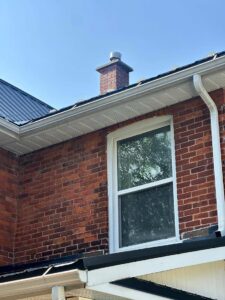
Structural exclusion is one of the most important parts of pest prevention. Inspect the exterior of the property for gaps, cracks, damaged materials, or openings that may provide access indoors.

Check:

  • Foundations
  • Windows and doors
  • Garage doors
  • Utility openings
  • Plumbing penetrations
  • Rooflines
  • Vents
  • Soffits
  • Damaged screens

Repair or seal suitable gaps using materials appropriate for the structure and pest involved.

2. Repair Screens and Door Seals

Torn window screens and gaps beneath exterior doors can allow insects and other small pests to enter.

Repair damaged screens and replace worn weather stripping or door sweeps where necessary.

3. Store Food Properly

Accessible food can attract ants, rodents, cockroaches, flies, and other pests.

Homeowners should:

  • Store dry foods in suitable sealed containers.
  • Clean crumbs and spills promptly.
  • Store pet food securely.
  • Inspect pantry items for damaged packaging.
  • Avoid leaving food residue overnight.

4. Manage Garbage and Recycling

Garbage and food waste can provide a reliable food source for rodents, flies, ants, wasps, and wildlife.

Use containers that close properly, remove waste regularly, and clean spills or residue around garbage and recycling areas.

Professional Pest Management for Newmarket Properties

When pest activity continues despite basic sanitation and exclusion, homeowners can contact professional pest control services for inspection, pest identification, monitoring, and treatment recommendations.

A professional assessment can help identify entry points, nesting areas, food sources, moisture problems, and other conditions contributing to recurring activity.

5. Reduce Moisture

Moisture can support cockroaches, silverfish, flies, and other pests.

Inspect:

  • Areas beneath sinks
  • Bathrooms
  • Basements
  • Laundry rooms
  • Utility spaces
  • Appliances connected to water

Repair leaks promptly and improve ventilation where appropriate.

6. Maintain Landscaping

Dense vegetation and tree branches close to the structure can provide shelter or make it easier for pests to approach the home.

Trim excessive vegetation where practical and remove:

  • Accumulated leaves
  • Plant debris
  • Unused landscaping materials
  • Damaged outdoor furniture
  • Other unnecessary clutter

7. Keep Storage Areas Organized

Basements, garages, attics, sheds, and storage rooms can provide protected hiding areas for rodents, spiders, cockroaches, and other pests.

Reducing unnecessary cardboard and keeping storage areas organized makes droppings, gnawing, insects, and nesting material easier to detect.

8. Inspect the Exterior Regularly

Seasonal changes can create new openings or damage around a property. Periodically inspect the exterior for:

  • Damaged vents
  • Loose siding
  • Roofline gaps
  • Foundation cracks
  • Damaged screens
  • Signs of wildlife activity

Be Careful With DIY Pest Deterrents

Essential oils, vinegar mixtures, powders, and other household remedies are often promoted for pest control, but results can be inconsistent. These methods should not replace proper identification, sanitation, exclusion, moisture control, and monitoring.

If a registered pest-control product is used, follow its labelled directions and safety requirements, especially around children, pets, food areas, and sensitive surfaces.

When to Call a Professional Exterminator

Pests Keep Returning

If insects, rodents, or wildlife continue appearing after basic prevention measures, there may be a hidden nest, structural opening, or other contributing condition.

You Hear Activity Inside Walls or Ceilings

Scratching, gnawing, or movement inside concealed areas may indicate rodent or wildlife activity that requires further investigation.

Several Areas of the Home Are Affected

Pest activity in multiple rooms, floors, or structural areas can indicate a more established infestation.

You Cannot Identify the Pest

Correct identification is important because different pests require different control strategies. Professional inspection can help determine the species and appropriate treatment.

Use Integrated Pest Management

Integrated Pest Management (IPM) combines prevention, inspection, monitoring, exclusion, sanitation, and targeted treatment instead of relying on one control method.

An IPM approach may include:

  • Pest identification
  • Property inspection
  • Monitoring
  • Structural exclusion
  • Food and waste management
  • Moisture reduction
  • Clutter reduction
  • Trapping where appropriate
  • Targeted treatment when required
  • Follow-up monitoring

This helps determine why pests are present and what changes can reduce future activity.

Pest Control in Newmarket

Homeowners dealing with recurring insects, rodents, or wildlife can arrange professional pest control in Newmarket for an inspection and targeted recommendations based on the conditions found at the property.

Addressing pest activity early can help limit contamination, property damage, and the possibility of pests becoming established in difficult-to-access areas.

Protect Your Home From Recurring Pest Problems

Effective pest prevention requires more than treating pests after they appear. Structural maintenance, sanitation, food storage, moisture control, landscaping, and regular inspections all play an important role.

If an infestation remains difficult to locate or control, an experienced exterminator can inspect the property and recommend appropriate pest-management measures.

By addressing food, water, shelter, and access points, homeowners can make their property less favourable to pests throughout the year.

pest control guide pest control, pest extermination, pest management

Primary Sidebar


Recent Posts

  • Bed Bug Bites: Signs, Treatment & What to Do September 8, 2026
  • Fall and Winter Pest Problems in Barrie, Ontario September 8, 2026
  • Pest Control Safety Guide for Barrie, Ontario Homes September 7, 2026
  • Pest-Related Health Risks in Barrie, Ontario Homes September 7, 2026
  • Mouse Bite: What to Do and When to Get Help September 6, 2026
  • 24/7 Remote Pest Monitoring in Barrie, Ontario September 6, 2026
  • New Construction Pest Problems in Barrie Subdivisions August 26, 2026
  • Why Rural Bradford Properties Attract Cluster Flies? August 24, 2026
  • Pet-Safe Pest Control King City | Dogs & Cats August 22, 2026
  • Protect Barrie Outdoor Spaces from Carpenter Bees & Wasps August 21, 2026

Categories

Search

Pest Control Services in Bradford, Barrie & Simcoe County

Get a Free Estimate

Pest Control Services

  • Mice and Rat Control
  • Rodent Removal
  • Tick Control
  • Ant Control
  • Cockroach Control
  • Bed Bug Extermination
  • Wasps and Bees Control
  • Spider Control
  • Other Pest & Wildlife Services

Wildlife & Cleanout

  • Wildlife Control
  • Pest Cleanout Services
  • Free Pest Control Estimate

Company

  • About Simcoe Pest X
  • Reviews
  • Blog
  • Contact Us

Service Areas

  • Pest Control Bradford
  • Pest Control Barrie
  • Pest Control Collingwood
  • Pest Control Innisfil
  • Pest Control King City
  • Pest Control Newmarket
  • Pest Control Orillia

Contact Our Locations

  • Bradford Office
    107 Holland St E, Bradford, ON L9C 1C3
    (705) 905-7378
    Open 24 Hours
  • Barrie Office
    92 Caplan Ave Suite 765B, Barrie, ON L4N 0Z7
    (705) 241-2172
    Open 24 Hours
  • Facebook
  • Instagram
  • LinkedIn
  • Twitter
  • YouTube

Copyright © 2026 · Simcoe Pest X · Terms & Conditions · Privacy Policy