What Is a Pest Inspection?
A pest inspection is a systematic examination of areas where insects, rodents, or wildlife may enter, hide, feed, or establish nests.
Depending on the property and pest concerns, an inspection may include:
- Kitchens and food-storage areas
- Bathrooms
- Basements
- Attics
- Garages
- Storage rooms
- Utility areas
- Exterior foundations
- Doors and windows
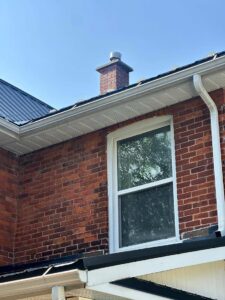
- Rooflines and soffits
- Landscaping around the structure
The technician looks for both pest evidence and conditions that could allow future activity.
Why Regular Pest Inspections Matter
1. Detect Pest Activity Earlier
Many pests remain concealed for much of the day or occupy areas homeowners rarely inspect.
Early evidence can include:
- Droppings
- Gnaw marks
- Damaged food packaging
- Insect remains
- Egg cases
- Webs
- Nesting material
- Unusual wood damage
- Recurring pest trails
Finding these signs early can make it easier to determine where activity is concentrated before the infestation spreads into additional areas.
2. Identify Rodent Problems Before They Spread
Mice and rats can remain hidden in wall cavities, attics, garages, basements, ceilings, and storage areas.
A rodent inspection may look for:
- Fresh or old droppings
- Gnawed materials
- Nesting areas
- Travel routes
- Food sources
- Potential structural entry points
Professional rodent control can then focus on both existing activity and the conditions allowing mice or rats to enter.
3. Find Cockroach Activity in Hidden Areas
Cockroaches often remain close to warmth, moisture, food, and protected harbourage.
Common inspection areas include:
- Behind appliances
- Under sinks
- Inside cupboards
- Around drains
- Near plumbing
- Utility areas
Monitoring devices can sometimes help determine whether activity is isolated or occurring in several parts of the property.
Professional cockroach control may combine inspection, sanitation, moisture reduction, baiting, monitoring, and targeted treatment.
4. Watch for Termite Evidence
Termite activity can be difficult to notice because much of it may remain concealed.
Potential warning signs can include:
- Shelter tubes
- Winged termites
- Discarded wings
- Unusual wood damage
- Activity around foundations
Wood damage does not automatically mean termites are present. Moisture, decay, and carpenter ants can also affect wooden materials, so proper identification is important.
If termite activity is suspected, professional termite control can help determine whether additional assessment or treatment is needed.
5. Detect Bed Bugs Before Activity Becomes More Widespread
Bed bugs can remain hidden around mattresses, bed frames, furniture, baseboards, and other narrow spaces.
They may be transported into homes on:
- Luggage
- Clothing
- Furniture
- Backpacks
- Other personal belongings
Because bites alone cannot confirm bed bugs, inspection and proper identification are important.
Professional bed bug control can help determine the extent of suspected activity.
6. Identify Structural Entry Points
An important part of pest inspection is finding how insects or rodents may be entering the property.
Inspectors may examine:
- Foundation gaps
- Garage doors
- Utility penetrations
- Door and window frames
- Damaged screens
- Vents
- Rooflines
- Soffits
- Openings around plumbing and wiring
Correcting access points can sometimes be just as important as treating the pests already inside.
7. Find Moisture Problems That Attract Pests
Moisture can support cockroaches, silverfish, flies, ants, and other pests.
An inspection may identify:
- Leaking pipes
- Dripping faucets
- Condensation
- Damp basements
- Drainage problems
- Moisture beneath sinks
Correcting these conditions can make the property less favourable to pests without relying solely on treatment.
8. Reduce the Risk of Property Damage
Some pests can affect building materials when activity continues unnoticed.
Examples include:
- Rodents gnawing wiring and insulation
- Termites affecting cellulose-containing materials
- Carpenter ants excavating wood for nesting
- Wildlife damaging soffits, vents, or insulation
Early detection does not guarantee that damage can always be prevented, but it can help property owners investigate suspicious conditions sooner.
Professional Pest Inspections Can Reveal Hidden Problems
When pest evidence is unclear or keeps returning, professional pest control services can inspect areas that may be difficult for homeowners to evaluate, including concealed structural spaces, exterior access points, storage areas, and pest travel routes.
The purpose is to identify what pest is present, where activity is concentrated, and what conditions should be corrected before deciding on treatment.
What Happens During a Professional Pest Inspection?
Step 1: Discuss Recent Pest Activity
The inspection may begin with questions about what has been seen, heard, or found.
Useful information includes:
- Where pests were seen
- How often activity occurs
- When it was first noticed
- Whether activity changes by season
- Whether previous treatment has been attempted
Step 2: Inspect High-Risk Areas
The technician may examine kitchens, bathrooms, basements, attics, garages, storage areas, and exterior locations depending on the pest concern.
Step 3: Look for Pest Evidence
This can include:
- Droppings
- Damage
- Nests
- Webs
- Egg cases
- Live or dead insects
- Pest trails
- Harbourage
Step 4: Identify Contributing Conditions
The inspector may also look for food, moisture, clutter, waste, structural gaps, or landscaping conditions that could support pest activity.
Step 5: Recommend Appropriate Next Steps
Not every inspection needs to result in pesticide treatment.
Recommendations may include:
- Monitoring
- Sanitation changes
- Moisture management
- Structural repairs
- Exclusion
- Trapping where appropriate
- Targeted treatment
- Follow-up inspection
Are Special Inspection Tools Always Necessary?
No. Many pest problems can be identified through a careful visual inspection combined with monitoring and knowledge of pest behaviour.
Specialized tools or monitoring equipment may be helpful in particular situations, but they should support professional judgement rather than replace it.
The equipment used should depend on the pest, property type, suspected activity, and areas being investigated.
How Often Should a Home Be Inspected for Pests?
There is no single inspection schedule that is appropriate for every Markham property.
The appropriate frequency depends on factors such as:
- Previous pest history
- Age and condition of the building
- Nearby vegetation
- Moisture problems
- Food-storage conditions
- Seasonal pest pressure
- Whether the property is vacant
- Whether recurring activity has occurred
Homes with a history of infestations may benefit from more frequent monitoring than properties with no known pest activity.
How Often Should Businesses Arrange Pest Inspections?
Commercial properties have different risk levels. Restaurants, food facilities, warehouses, apartment buildings, offices, and retail locations do not necessarily require the same inspection schedule.
Factors that may justify more frequent monitoring include:
- Food handling or storage
- High waste volumes
- Frequent deliveries
- Shared walls or utility areas
- Previous infestations
- Industry-specific requirements
A commercial pest-management program should be based on the property’s actual risks rather than an arbitrary schedule.
Preventive Pest Control and Integrated Pest Management
Integrated Pest Management (IPM) combines inspection and prevention with targeted control methods when they are necessary.
An IPM program may include:
- Accurate pest identification
- Routine inspection
- Monitoring
- Structural exclusion
- Food and waste management
- Moisture reduction
- Clutter reduction
- Habitat management
- Targeted treatment
- Follow-up evaluation
The goal is to understand why pests are present and intervene appropriately rather than applying treatments unnecessarily.
Regular Inspections Can Reduce Unnecessary Pest Treatment
Finding structural openings, food sources, or moisture problems early may allow some pest issues to be reduced through maintenance and prevention.
This can help avoid repeated treatment of pests without correcting the conditions that continue attracting them.
When a registered pest-control product is necessary, it should be appropriate for the pest and application area and used according to its labelled directions and applicable safety requirements.
Pest Inspections for Apartments and Condominiums
Multi-unit buildings can require additional attention because pests may move between units through wall voids, plumbing openings, utility spaces, hallways, and shared areas.
A recurring cockroach, rodent, or bed bug problem may therefore require more than inspecting one unit.
Property management may need to coordinate:
- Neighbouring-unit inspections
- Common-area monitoring
- Waste management
- Building repairs
- Moisture correction
- Professional treatment
Pest Inspections for Vacant Properties
Vacant homes and commercial properties should not be assumed to be pest-free simply because no one is present.
Reduced activity inside a building can allow rodents, wildlife, and insects to remain unnoticed.
Owners should watch for:
- Droppings
- Damaged stored materials
- Gnawing
- Water leaks
- Wildlife entry
- Insect activity
What Homeowners Can Check Between Professional Inspections
Homeowners can perform simple visual checks as part of routine property maintenance.
Look for Pest Evidence
Check basements, garages, kitchens, attics, and storage areas for new droppings, damage, webs, nesting material, or insect activity.
Inspect Food Storage
Look for damaged packaging and store susceptible food securely.
Check for Moisture
Look beneath sinks, around appliances, and in basement areas for leaks or dampness.
Inspect Structural Openings
Check doors, windows, foundations, vents, utility penetrations, and garage areas for gaps or damage.
Watch for Seasonal Changes
Ants, wasps, mosquitoes, rodents, and other pests may become more noticeable at different times of the year.
When Should You Arrange an Immediate Pest Inspection?
Do not necessarily wait for a scheduled inspection if you notice clear evidence of activity.
Consider professional assessment when:
- Droppings repeatedly appear.
- You hear scratching inside walls or ceilings.
- Cockroaches are being seen regularly.
- Bed bugs are suspected.
- Unusual wood damage appears.
- Pests are showing up in several rooms.
- Property damage is occurring.
- The pest cannot be identified.
Choosing a Pest Control Company for Inspections
When arranging an inspection, ask how the provider evaluates both current activity and the conditions contributing to it.
Useful questions include:
- What areas will be inspected?
- How will the pest be identified?
- Will entry points be assessed?
- Will moisture and sanitation conditions be considered?
- Will findings be explained?
- Are prevention recommendations included?
- Is follow-up monitoring available?
A good inspection should provide more information than simply recommending treatment immediately.
Regular Pest Inspections Support Long-Term Property Maintenance
Pest inspection should be viewed as part of maintaining a property rather than only something to arrange after an infestation becomes severe.
Inspection can help identify pest activity, maintenance problems, structural access, moisture conditions, and sanitation issues that deserve attention.
If repeated pest evidence is found or activity remains difficult to locate, an experienced exterminator can assess the affected areas and recommend appropriate pest-management measures.
Stay Ahead of Pest Problems in Markham
Regular pest inspections cannot guarantee that a property will never experience an infestation, but they can make hidden or developing problems easier to identify.
For Markham homeowners and businesses, the strongest approach combines routine observation, professional inspection when appropriate, structural maintenance, sanitation, moisture management, monitoring, and targeted treatment when necessary.
Finding and addressing pest conditions early can help prevent smaller issues from becoming more difficult and disruptive problems later.