How to Mouse-Proof Your Vaughan Home
Mice can enter homes in search of food, shelter, warmth, and protected nesting areas. Vaughan’s mix of residential neighbourhoods, green spaces, garages, sheds, and seasonal weather can create plenty of opportunities for mice to move between outdoor and indoor environments.
Mouse-proofing works best when homeowners focus on both sides of the problem: reducing what attracts mice and blocking the structural openings they may use to get inside.
Why Mice Enter Vaughan Homes
Food
Mice are opportunistic feeders. Small amounts of food can support activity, especially when it is consistently available.
Common food sources include:
- Crumbs
- Pantry products
- Pet food
- Garbage
- Bird seed
- Food stored in garages or basements
Shelter
Mice prefer protected areas where they can remain concealed and build nests.
Common harbourage areas include:
- Wall cavities
- Attics
- Basements
- Garages
- Storage rooms
- Areas behind appliances
Seasonal Changes
Indoor mouse activity often becomes more noticeable as temperatures drop, but mice can affect homes throughout the year.
Cold weather may increase pressure for shelter, while summer can provide outdoor food, vegetation, garbage, and nesting opportunities around the property.
How Mice Behave Inside a Home
Mice tend to travel close to walls and protected edges rather than crossing wide open spaces unnecessarily.
They may repeatedly use familiar routes between:
- Nesting areas
- Food sources
- Water
- Structural openings
Mice can also climb and exploit relatively small gaps in a building, which makes detailed exterior inspection an important part of prevention.
Signs of a Mouse Infestation
1. Droppings
Mouse droppings may appear in kitchens, pantries, cabinets, garages, basements, attics, and other protected areas.
Repeatedly finding fresh-looking droppings can indicate continuing activity.
2. Gnaw Marks
Mice may gnaw:
- Food packaging
- Cardboard
- Wood
- Plastic
- Insulation
- Other building materials
New damage should be investigated, particularly when combined with droppings or other rodent evidence.
3. Scratching or Scurrying Sounds
Movement may be heard inside walls, ceilings, attics, or other concealed areas, particularly when the home is quiet.
Sounds alone cannot confirm mice, but they can help identify where closer inspection is needed.
4. Rub or Travel Marks
Repeated rodent movement along the same route may leave visible marks on some surfaces.
Check along walls, structural edges, and areas leading toward suspected harbourage.
5. Nesting Material
Mice may use shredded paper, insulation, fabric, or other soft material to create nests in concealed locations.
6. Damaged Food Packaging
Gnawed cereal boxes, bags, pet-food containers, or pantry products are common reasons homeowners first suspect rodent activity.
Professional Mice Removal
When signs continue appearing, professional mice removal can help determine where rodents are active, how they may be entering, and which parts of the property require closer attention.
The strongest approach should consider current activity, entry points, food sources, harbourage, and long-term exclusion rather than simply removing one visible mouse.
Keep Food Secure
Food management is an important part of mouse prevention.
Homeowners should:
- Store susceptible foods in suitable sealed containers.
- Clean crumbs and spills promptly.
- Keep pet food protected.
- Inspect pantry products regularly.
- Avoid leaving food residue overnight.
Garages and basements should also be checked if food, bird seed, pet food, or other edible materials are stored there.
Manage Garbage and Recycling
Indoor and outdoor waste can provide reliable food for mice.
Use containers that close properly and clean spills or food residue when necessary.
Also inspect garbage-storage areas for:
- Droppings
- Gnaw marks
- Burrows
- Damaged containers
Reduce Clutter and Rodent Harbourage
Clutter gives mice more places to hide and makes signs of activity harder to notice.
Pay particular attention to:
- Basements
- Garages
- Storage rooms
- Attics
- Utility areas
Reducing unnecessary cardboard, paper piles, and unused stored materials can make inspection easier.
Inspect Behind Appliances
Areas behind refrigerators, stoves, freezers, and other appliances can provide warmth, food residue, and concealed travel routes.
Where practical, inspect these areas for:
- Droppings
- Food debris
- Nesting material
- Gnawing
- Structural openings
Inspect the Exterior of Your Home
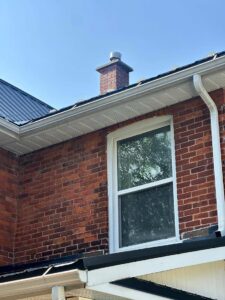
One of the most important parts of mouse-proofing is finding possible access points around the building.
Check:
- Foundation walls
- Exterior doors
- Garage doors
- Utility penetrations
- Plumbing openings
- Vents
- Rooflines
- Soffits
- Areas where different building materials meet
Look for gaps, damage, gnawing, droppings, or other signs suggesting active rodent movement.
Pay Special Attention to the Garage
Garages are common areas for mouse activity because they often contain stored belongings, food products, pet supplies, and easy access to the exterior.
Inspect:
- The bottom of the garage door
- Door corners
- Wall transitions
- Utility openings
- Storage areas
A garage door that does not close tightly can leave an obvious access route.
Seal Entry Points Properly
Structural exclusion is one of the most important parts of long-term mouse control.
Repairs should use materials suitable for the opening, building surface, and location.
Possible repairs may include:
- Replacing damaged door seals
- Repairing screens
- Closing gaps around utility lines
- Repairing damaged vents
- Correcting foundation openings
- Improving garage-door seals
Lightweight filler alone may not provide a durable rodent-resistant repair in every location.
Do Not Seal Active Rodents Inside
Exclusion should be planned carefully if mice may already be living inside the structure.
Closing every suspected opening immediately without understanding current activity can create additional problems.
Inspection and monitoring can help determine which openings are active and how exclusion should be completed.
Professional Pest Control Can Help Locate Hidden Entry Points
If rodent activity keeps returning, professional pest control services can inspect the property for access points, nesting areas, travel routes, food sources, and other conditions that may be difficult to identify during a basic homeowner inspection.
This can be especially useful when mice are active inside walls, ceilings, attics, garages, or other concealed spaces.
Reduce Outdoor Attractants
The area immediately around the house can influence rodent activity.
Useful maintenance may include:
- Keeping garbage containers closed
- Removing unnecessary debris
- Managing spilled bird seed
- Keeping stored materials organized
- Maintaining vegetation around the structure
The goal is to reduce food and harbourage close to the building.
Maintain Vegetation Around the Home
Dense shrubs, vines, and overgrown vegetation can make it difficult to inspect foundations and exterior walls.
Trim vegetation where it:
- Touches the structure
- Blocks the foundation
- Covers vents or utility areas
- Creates heavy harbourage around entrances
This does not mean removing all landscaping. The goal is to keep the exterior accessible enough for inspection and maintenance.
Store Firewood and Outdoor Materials Carefully
Firewood, lumber, boxes, and other outdoor materials can provide sheltered areas for rodents when stored directly against the building.
Where practical, keep these materials organized and separated from exterior walls so the foundation remains visible.
Do Peppermint Oil and Natural Mouse Repellents Work?
Peppermint oil, vinegar, garlic, cayenne pepper, and certain plants are commonly promoted online as mouse repellents.
These methods should not be relied upon as a primary solution for an established infestation.
Strong smells do not correct:
- Structural entry points
- Accessible food
- Water sources
- Nesting areas
- Garage openings
- Hidden harbourage
Mouse-proofing is more reliable when it focuses on physical exclusion and reducing the resources mice need.
What About Ultrasonic Mouse Repellers?
Ultrasonic devices are another commonly promoted mouse-control method.
Results can be inconsistent, particularly in houses with walls, furniture, storage materials, and multiple rooms.
They should not replace inspection, sanitation, monitoring, removal, and structural exclusion.
Traps Are Only One Part of Mouse Control
Trapping can help reduce active rodents, but it does not stop new mice from entering through the same structural openings.
If activity continues after individual mice are removed, the property should be inspected for additional entry points and harbourage.
Removal without exclusion often leaves the underlying access problem unresolved.
Mouse-Proofing Through the Seasons
Fall
Inspect the exterior before colder weather increases pressure for indoor shelter.
Winter
Monitor basements, attics, garages, kitchens, and storage areas for droppings, gnawing, and unusual sounds.
Spring
Inspect for damage that may have developed over winter and repair exterior openings.
Summer
Manage garbage, outdoor food sources, vegetation, and clutter around the property.
Rodent prevention should therefore be viewed as year-round property maintenance rather than only a winter task.
Neighbouring Properties Can Influence Rodent Pressure
Mice do not recognize property boundaries. Conditions around neighbouring homes, shared garages, sheds, waste areas, and connected buildings can sometimes affect rodent activity.
In townhouses, condominiums, and other connected properties, recurring activity may require coordination with property management or neighbouring residents.
Integrated Pest Management for Mice
Integrated Pest Management (IPM) combines several methods instead of depending on one trap, product, or repellent.
A mouse-management program may include:
- Correct identification
- Detailed inspection
- Monitoring
- Food and waste management
- Harbourage reduction
- Appropriate removal methods
- Structural exclusion
- Follow-up monitoring
The goal is to determine why mice are entering and what must change to reduce recurring activity.
When to Call an Exterminator for Mice
Professional assistance may be appropriate when:
- Droppings continue appearing.
- Scratching is heard inside walls or ceilings.
- Several areas of the home show activity.
- Food packaging is repeatedly damaged.
- Gnawing is affecting building materials.
- Mice return after previous removal attempts.
- The entry point cannot be located.
If mouse activity remains persistent or difficult to locate, an experienced exterminator can inspect the property and recommend appropriate rodent-control and exclusion measures.
Keep Mice Out of Your Vaughan Home
Effective mouse-proofing requires more than placing traps after a mouse appears. The strongest strategy combines food management, sanitation, clutter reduction, exterior inspection, structural exclusion, monitoring, and appropriate removal when necessary.
Vaughan homeowners who regularly inspect garages, foundations, utility openings, storage spaces, and food-storage areas are more likely to notice rodent evidence before activity becomes more difficult to manage.
Addressing both the mice already present and the conditions allowing them inside provides a more practical long-term approach than relying on repellents or temporary fixes alone.