
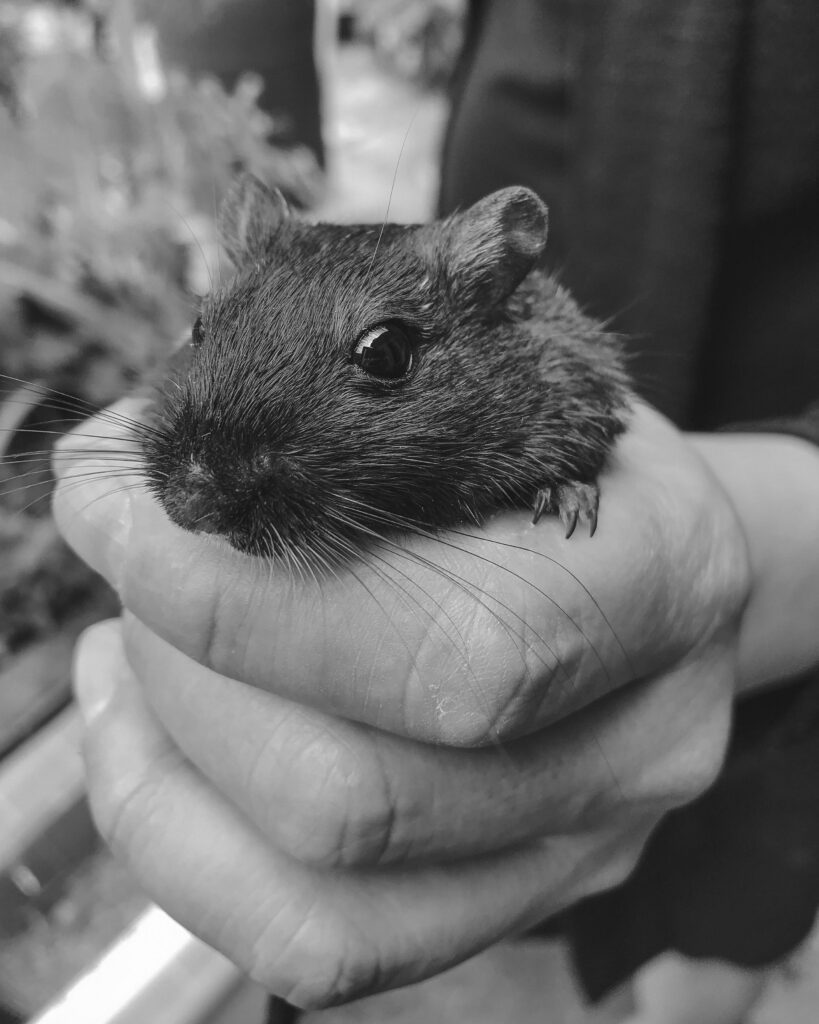
What to Do After a Mouse Bite?
Wash the Bite Thoroughly
Washing the area with soap and clean running water should be done as soon as possible. The cleaning process should be thorough to ensure that the area around the bite or cut is cleaned well.
The purpose of this is to wash away dirt, saliva, and bacteria.
Stop Any Bleeding
In the case that there is bleeding, apply pressure using clean gauze or cloth.
It is highly likely that small puncture wounds will stop bleeding if light pressure is applied to them.
Keep the Wound Protected
After cleaning the site, maintain its cleanliness and protection using a suitable bandage when necessary.
Do not frequently come into contact with the wound using your dirty hands. In the coming days, look out for any changes including increased redness, swelling, warmth, pus, or pain.
It will also be good if you can recall when the bite took place and whether the mouse was wild, trapped, touched, or acting abnormally. This may prove useful when talking to a medical professional at some point.
When Should You Get Medical Attention After a Mouse Bite?
Seek Care for a Serious Bite
Consider prompt medical attention if:
- The wound is deep or badly torn
- Bleeding does not stop
- The bite is on the hand, face, near a joint, or another sensitive area
- You cannot properly clean the wound
- Movement around the injured area becomes difficult or painful
People with conditions or medications that weaken the immune system may also need medical advice sooner after an animal bite.
Watch for Signs of Infection
A bite that initially seems minor can sometimes become infected.
Warning signs include:
- Redness that is increasing or spreading
- Swelling
- Increasing warmth around the wound
- Worsening pain or tenderness
- Pus or other drainage
- Fever
- Red streaking extending from the bite
If these symptoms appear, have the wound assessed rather than waiting to see whether they resolve on their own.
Do You Need a Tetanus Shot After a Mouse Bite?
Even if the mouse does not have tetanus, a bite would still raise concerns about tetanus since tetanus bacteria exist in the environment and can get into the body through broken skin.
An animal bite is just one example of a type of wound that can be considered when looking at tetanus immunity.
Check Your Vaccination History
Whether you need a tetanus booster depends on factors such as:
- When you received your last tetanus-containing vaccine
- Whether you completed the recommended vaccination series
- The type and condition of the wound
If you do not know when you last received a tetanus shot, tell your healthcare provider.
Do Not Assume Every Bite Needs a Booster
However, getting a booster is not always mandatory after every mouse bite.
The health practitioner can decide whether your current vaccine gives you enough immunity or whether you need to take one more dose, depending on your immunization history and the nature of the bite.
There is yet another reason why you should consult a doctor in case of a deep, unclean bite or when you have an unclear immunization history.
Can You Get Rabies From a Mouse Bite in Ontario?
Rabies in Canada is commonly seen in animals such as bats, skunks, foxes, and raccoons. Rodents such as mice are not considered as potential vectors since they rarely live to spread the disease after coming into contact with an infected predator.
Rabies in Mice Is Rare
A mouse bite does not automatically mean that rabies treatment is required.
Current Canadian guidance recommends assessing the actual circumstances of the exposure rather than automatically giving rabies post-exposure treatment after every rodent bite. Factors may include:
- Whether the mouse was behaving abnormally
- Whether the bite occurred without an obvious reason
- Local rabies activity
- The severity and location of the bite
- Whether the animal can be assessed or tested
Most ordinary encounters with house mice are considered very low risk for rabies.
When to Ask About Rabies
Consult with a healthcare provider or a local public health agency if there were unusual behavior by the mouse, if the circumstances of exposure were concerning, or if you have any doubt about the risk.
Rabies can be prevented after exposure if the proper treatment is administered before the onset of symptoms.
Can a Mouse Bite Cause an Infection?
Signs the Bite May Be Infected
Monitor the bite over the following days for:
- Increasing redness
- Swelling
- Warmth around the wound
- Increasing pain
- Tenderness
- Pus or unusual drainage
- Fever
- Red streaks spreading away from the wound
A small amount of temporary soreness after a bite does not necessarily mean that an infection is developing. The concern is when symptoms become worse rather than gradually improving.
Do Not Wait if Symptoms Are Getting Worse
When redness starts to spread, there is increased pain, swelling, or heat of the wound or even a fever, one needs to see a doctor.
The healthcare practitioner might have to evaluate the wound and decide whether further treatments are necessary.
Individuals should also point out that the wound was inflicted by a mouse because it will help the healthcare practitioner to consider possible rodent-related infections.
Can Mice Spread Rat-Bite Fever?
What Are the Symptoms of Rat-Bite Fever?
Symptoms associated with the form of rat-bite fever most commonly described in North America can include:
- Fever
- Headache
- Vomiting
- Muscle pain
- Joint pain or swelling
- Rash
Symptoms commonly begin about 3 to 10 days after rodent exposure, although they can sometimes appear later. The bite itself may already look healed by the time symptoms develop.
When Should You Seek Medical Care?
Rat bite fever is not a common condition, but if left untreated, the disease can lead to severe complications.
In case you have fever, skin rash, joint pain, vomiting, or other influenza symptoms after being bitten or scratched by a mouse, inform your physician about the exposure to rodents.
What About Hantavirus After a Mouse Bite?
Mouse Bites Are Not the Main Hantavirus Risk
The presence of mice in a home may create a broader exposure concern than the bite itself.
Risk may increase when people disturb:
- Mouse droppings
- Urine-contaminated areas
- Nesting materials
- Dust in enclosed spaces with rodent activity
Homeowners dealing with contaminated areas can also learn more about how pest droppings can affect health.
When to Get Medical Advice
Hantavirus infections are uncommon in Canada, but they do lead to severe sickness.
In the event of a sickness developing from recent exposure to rodents, the droppings of rodents, or nests, inform your doctor of the exposure as this will aid in diagnosis since symptoms alone can mimic other diseases.
The most important thing is not to make the assumption that any mouse bite leads to high chances of contracting hantavirus. The issue is the presence of rodents and exposure within the premises.
Can Mice Spread Lymphocytic Choriomeningitis Virus?
What Symptoms Can LCMV Cause?
Many healthy people who become infected have no symptoms or experience only a mild illness.
When symptoms occur, they can include:
- Fever
- Headache
- Muscle aches
- Loss of appetite
- Nausea
- Vomiting
Some infections can become more serious and affect the nervous system.
Pregnancy and Mouse Exposure
Women who are pregnant need to be very careful when dealing with wild mice and areas that have been contaminated with mouse excretions.
Lymphocytic Choriomeningitis Virus infection can occur during pregnancy, can spread from mother to child, and could result in a miscarriage or complications for the developing baby.
Why Would a Mouse Bite a Person?
Situations Where a Mouse May Bite
A mouse may be more likely to defend itself when it is:
- Trapped or cornered
- Being handled
- Injured
- Frightened
- Caught inside a trap but still alive
- Protecting itself when someone reaches into a confined space
Children may also be at greater risk of accidental contact if they try to touch or pick up a mouse they find indoors.
Do Not Handle Wild Mice With Bare Hands
If you see a live or dead mouse at your Barrie residence, do not make physical contact with it.
Do not try to catch a live mouse with your bare hands. Ensure children and pets stay away from the scene while proper control and disposal measures for rodents are carried out.
A mouse that feels at ease showing itself in areas frequented by humans may also indicate that there are other places where there are mice. That is when the main worry becomes to find out how they have got in, where they are nesting, and whether there are any other mice around.
What If a Mouse Bite Reveals an Infestation in Your Home?
Look for Other Signs of Mice
Common signs include:
- Small dark droppings
- Gnaw marks on food packaging, wood, or wiring
- Scratching or movement sounds inside walls or ceilings
- Shredded paper, fabric, or insulation used for nesting
- Greasy rub marks along walls
- Damaged stored food
- Mouse sightings, especially during the day
Kitchens, basements, garages, storage rooms, utility areas, and spaces behind appliances are common places to check. Homeowners can also review these signs and steps for getting rid of mice in Barrie homes.
Avoid Direct Contact With Mice
Do not try to catch or pick up a live mouse with bare hands. A frightened or injured mouse may bite when handled.
Children and pets should also be kept away from live rodents, traps, droppings, and nesting areas.
If you find a dead mouse, avoid touching it directly. Use appropriate protective measures and safe cleanup practices, particularly if rodent droppings or urine are present nearby.
Find Out How Mice Are Getting Inside
Removing the mouse you see may not solve the problem if other mice can continue entering the building.
Possible entry areas include:
- Gaps around exterior doors
- Openings around pipes and utility lines
- Cracks around the foundation
- Garage door gaps
- Damaged vents
- Openings where different building materials meet
Mice can use very small gaps, so a detailed inspection is often needed to locate possible entry points into the home.
Remove Conditions That Support Mouse Activity
Food, water, and shelter can make a property more attractive to mice.
Store food in secure containers, clean crumbs and spills, manage garbage properly, reduce clutter, and avoid leaving pet food accessible overnight.
These steps can support a mouse-control program, but an established infestation may also require trapping, exclusion, and professional treatment.
Mouse Removal in Barrie, Ontario
Inspect the Property for Mouse Activity
A professional mouse inspection may look for:
- Droppings and urine staining
- Nesting areas
- Gnaw marks
- Rodent travel routes
- Food and water sources
- Gaps and structural openings
- Activity in basements, attics, garages, kitchens, and utility areas
The location of these signs can help determine how widespread the problem may be.
Control the Active Mouse Problem
This would be dependent on the property and activity level.
Mouse elimination might involve the use of strategically placed traps, inspections, removal of active mice, and follow up inspections. The treatment should be dependent on the findings rather than placement of traps all over the property without finding where the mice move.
Reduce the Risk of Mice Returning
Exclusion is an important component of a mouse control program in the long term.
Areas that could potentially serve as entry points for rodents, including doors, foundations, vents, utility penetrations, and other openings, may need to be sealed or otherwise attended to. Food storage, garbage management, and clutter could also be issues.
Where rodent droppings, urine, nesting material, or contamination are extensive, professional rodent cleanup may also be needed.
Those who have mice in Barrie may want to consider hiring Simcoe PestX for professional pest control in Barrie to conduct an inspection of their property and propose a proper course of action.