• Skip to primary navigation
  • Skip to main content
  • Skip to primary sidebar
Simcoe Pest X

Simcoe Pest X

Pest Control

  • Home
  • About
  • Blog
  • Service Areas
    • Barrie
    • Bradford
    • Collingwood
    • Innisfil
    • King City
    • Newmarket
    • Orillia
  • Reviews
  • Services
    • Residential Pest Control
    • Commercial Pest Control
    • Wildlife Removal
    • Tick Control
    • Rodent Clean-Out & Restoration
  • Contact
  • Free Estimate
  • (705) 905-7378
  • Show Search
Hide Search

Why DIY Pest Control in Vaughan Often Fails

Ali · August 15, 2025 ·

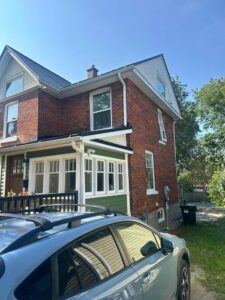
Barrie pest control team providing residential pest inspection services

What DIY Pest Control Usually Involves

Common homeowner approaches include:

  • Store-bought insect sprays
  • Sticky monitoring traps
  • Mouse traps
  • Homemade sprays
  • Essential oils and other repellents
  • Sealing visible cracks
  • Cleaning and sanitation

Some of these measures can be useful as part of a larger strategy. The problem occurs when they are expected to solve an established infestation without proper identification or inspection.

1. DIY Treatments Often Target Only the Pests You See

Visible insects or rodents may represent only a small part of the activity inside a property.

For example:

  • Ant workers may be travelling from a hidden colony.
  • Cockroaches may remain behind appliances or inside wall voids.
  • Mice may travel through ceilings and concealed structural areas.
  • Bed bugs may remain hidden around furniture joints and mattress seams.

Killing individual pests does not necessarily address the nest, colony, breeding area, or entry point.

2. Correct Pest Identification Matters

Different pests require different control strategies. Treating an infestation without knowing exactly what is present can waste time and allow the problem to continue.

Identification can affect:

  • Where technicians inspect
  • Which monitoring methods are appropriate
  • Where treatment is placed
  • Whether exclusion is needed
  • Whether follow-up is necessary

Even closely related pests may have different habits, nesting locations, and treatment requirements.

3. Hidden Infestations Can Be Easy to Miss

Many common household pests spend much of their time in areas homeowners rarely see.

Cockroaches

Cockroaches may hide around appliances, plumbing, drains, cupboards, wall voids, and utility spaces.

Professional cockroach control may combine inspection, monitoring, sanitation, moisture reduction, baiting, and targeted treatment.

Bed Bugs

Bed bugs can remain concealed around mattresses, bed frames, headboards, furniture, baseboards, and narrow cracks near sleeping areas.

Professional bed bug control can help confirm the pest and determine how widespread the activity is.

Mice and Rats

Rodents may remain inside attics, basements, garages, ceilings, walls, storage areas, and other concealed spaces.

Professional rodent control can help identify travel routes and possible structural access points.

4. DIY Methods May Not Address the Source

A pest problem often continues because the conditions supporting it remain unchanged.

Common contributing factors include:

  • Food residue
  • Pet food
  • Garbage
  • Standing water
  • Plumbing leaks
  • Structural gaps
  • Clutter
  • Outdoor harbourage

Successful control should consider why the pests are there in the first place, not just how to remove the ones currently visible.

5. Store-Bought Products Have Limitations

Over-the-counter pest-control products can be useful in certain situations, but they are not interchangeable.

A product must be appropriate for:

  • The target pest
  • The intended location
  • The type of infestation
  • The specific application area

If a registered pest-control product is used, follow its labelled directions and applicable safety requirements.

Applying excessive amounts or treating unrelated areas does not automatically improve results.

6. Homemade Pest Remedies Are Often Inconsistent

Vinegar, essential oils, baking soda, and other household products are frequently promoted online as pest-control solutions.

They may alter activity temporarily in some situations, but they do not reliably address:

  • Ant colonies
  • Cockroach harbourage
  • Rodent entry points
  • Bed bug infestations
  • Hidden nesting areas

Natural does not automatically mean effective or appropriate for every pest problem.

7. Ultrasonic Repellers Are Not a Complete Solution

Ultrasonic pest devices are often marketed as a simple way to drive rodents or insects away.

Results can be inconsistent, particularly in homes with multiple rooms, walls, furniture, and concealed structural areas.

They should not replace inspection, monitoring, exclusion, sanitation, and appropriate treatment.

8. Trapping Rodents Does Not Repair Entry Points

Trapping can help remove individual rodents, but it does not prevent new mice or rats from entering through the same opening.

Common access areas include:

  • Foundation gaps
  • Garage doors
  • Utility penetrations
  • Rooflines
  • Vents
  • Openings around pipes and wiring

A complete rodent-management plan should consider both removal and structural exclusion.

9. Sealing One Gap May Not Solve the Problem

Finding and repairing a visible opening is useful, but properties often have several potential access points.

Homeowners should inspect the whole exterior rather than assuming the first gap they discover is the only route pests are using.

When rodents or wildlife may already be inside, exclusion should also be planned carefully rather than automatically sealing every opening immediately.

10. Pest Behaviour Can Change With the Season

Vaughan’s seasonal weather can influence when certain pests become more noticeable.

During warmer months, homeowners may see increased activity from:

  • Ants
  • Wasps
  • Mosquitoes
  • Spiders

During colder periods, mice and rats may become more noticeable indoors as they seek protected shelter.

Pest management should account for these seasonal patterns instead of using the same approach year-round.

Professional Inspection Can Find What DIY Methods Miss

When pest activity keeps returning, professional pest control services can inspect the property for hidden harbourage, nesting areas, structural openings, moisture problems, food sources, and pest travel routes.

This makes it easier to focus treatment on the actual source of activity rather than repeatedly treating individual pests.

11. Bed Bugs Are Difficult to Diagnose From Bites Alone

Skin reactions are not enough to confirm a bed bug infestation because other insects and skin conditions can produce similar marks.

A proper inspection should look for physical evidence such as:

  • Live bed bugs
  • Shed skins
  • Spotting around harbourage areas
  • Eggs or eggshells

Correct identification prevents unnecessary treatment and helps determine which rooms or furniture require attention.

12. Killing Visible Ants May Not Affect the Colony

Ant workers leave the nest to search for food and water. Removing the ants visible on a counter or floor may temporarily interrupt a trail, but it may not affect the colony responsible for the activity.

Depending on the species, nests may be located beneath patios, inside wall voids, around landscaping, beneath flooring, or near moisture-damaged materials.

Professional ant control can help identify where the activity originates.

13. Wasps Require Care Around Active Nests

A wasp flying around a patio is very different from an established nest around a soffit, roofline, shed, deck, tree, or underground area.

Disturbing an active nest may increase sting risk.

Professional wasp and bee control can help identify the species, locate the nest, and determine an appropriate treatment approach.

14. Spider Problems May Be Connected to Other Insects

Spiders prey on insects. If spiders repeatedly return after webs are removed, the property may have an underlying insect population providing a reliable food source.

A broader approach may include:

  • Web removal
  • Clutter reduction
  • Screen repairs
  • Structural exclusion
  • Managing other insects

Professional spider control can help determine why activity remains persistent.

Why Professional Pest Control Can Be More Effective

Accurate Identification

A technician can determine which pest is present before selecting a treatment plan.

Detailed Inspection

Professional inspection can include areas homeowners may overlook, such as utility spaces, rooflines, wall openings, attics, and concealed harbourage.

Targeted Treatment

Instead of broadly treating a property, control measures can be directed at locations where pest activity has actually been identified.

Structural Recommendations

A pest-control plan may identify repairs or exclusion measures that can reduce future access.

Monitoring and Follow-Up

Some infestations require continued monitoring to determine whether activity has declined or additional treatment is necessary.

Professional Pest Control Does Not Mean Spraying Everywhere

A modern pest-management approach should not automatically rely on broad pesticide applications.

Depending on the infestation, professional control may include:

  • Inspection
  • Monitoring
  • Structural exclusion
  • Sanitation recommendations
  • Moisture reduction
  • Trapping where appropriate
  • Targeted treatment when needed

The appropriate method depends on the pest, location, extent of activity, property conditions, and treatment objectives.

Integrated Pest Management Provides a Better Framework

Integrated Pest Management (IPM) combines several pest-control strategies instead of relying on one product or technique.

An IPM program may involve:

  • Accurate pest identification
  • Inspection
  • Monitoring
  • Food and waste management
  • Moisture reduction
  • Structural exclusion
  • Harbourage reduction
  • Physical controls
  • Targeted treatment
  • Follow-up monitoring

This approach focuses on why pests are present and what needs to change to reduce recurring activity.

When DIY Pest Control May Be Enough

Not every pest sighting requires professional treatment.

Homeowners may be able to manage minor, isolated activity through:

  • Cleaning
  • Food storage
  • Waste management
  • Moisture reduction
  • Web removal
  • Repairing damaged screens
  • Sealing suitable structural gaps

The important distinction is whether the pest activity stops or continues returning.

Signs DIY Pest Control Is Not Working

Consider professional assistance when:

  • Pests repeatedly return.
  • Activity is increasing.
  • Several rooms are affected.
  • Rodents are inside walls or ceilings.
  • Bed bugs are suspected.
  • Cockroach activity continues.
  • A wasp nest is difficult to access.
  • Property damage is appearing.
  • You cannot identify the pest.
  • The source or entry point cannot be located.

Long-Term Pest Control Starts With Prevention

Whether professional treatment is required or not, homeowners can reduce pest pressure through regular property maintenance.

Store Food Securely

Keep susceptible food and pet food protected and clean spills promptly.

Manage Garbage

Use waste containers that close properly and clean food residue when necessary.

Reduce Moisture

Repair leaks and investigate damp areas around kitchens, bathrooms, basements, and utility spaces.

Reduce Clutter

Organized storage makes pest evidence easier to notice and reduces available harbourage.

Inspect the Exterior

Check foundations, doors, garage areas, utility penetrations, vents, soffits, and rooflines for possible access points.

When to Call an Exterminator

DIY pest control becomes less practical when activity is hidden, persistent, widespread, or difficult to identify.

If pests continue returning despite basic prevention and control measures, an experienced exterminator can inspect the property and recommend appropriate pest-management measures.

Take a Smarter Approach to Pest Control in Vaughan

DIY pest control is useful for some minor problems, but it should not be expected to solve every infestation. Sprays, traps, repellents, and household remedies often focus on symptoms while hidden nests, entry points, food sources, or moisture problems remain.

For Vaughan homeowners, a stronger approach combines accurate identification, detailed inspection, sanitation, structural exclusion, monitoring, and targeted treatment when necessary.

Addressing the source of the problem rather than repeatedly treating visible pests can provide a more practical path toward reducing recurring infestations.

Pest Control Tips DIY Pest Control, pest control, pest extermination, pest management

Primary Sidebar


Recent Posts

  • Checklist for Spotting Hidden Structural Pest Damage August 19, 2026
  • Bradford Home Inspection Pest Red Flags August 18, 2026
  • Eco-Friendly Tick Management in Bradford, ON August 17, 2026
  • The Top 4 Summer Wasp Hotspots in Bradford Backyards August 15, 2026
  • How to Choose the Right Exterminator in Bradford? August 13, 2026
  • Pest Control Costs & Exterminator Prices in Bradford, ON August 10, 2026
  • How to Get Rid of Cockroaches July 31, 2026
  • How to Get Rid of Carpenter Ants July 29, 2026
  • How to Get Rid of Wasps Around Your Home Safely July 27, 2026
  • How to Get Rid of Raccoons in Your Attic July 26, 2026

Categories

Search

Pest Control Services in Bradford, Barrie & Simcoe County

Get a Free Estimate

Pest Control Services

  • Mice and Rat Control
  • Rodent Removal
  • Tick Control
  • Ant Control
  • Cockroach Control
  • Bed Bug Extermination
  • Wasps and Bees Control
  • Spider Control
  • Other Pest & Wildlife Services

Wildlife & Cleanout

  • Wildlife Control
  • Pest Cleanout Services
  • Free Pest Control Estimate

Company

  • About Simcoe Pest X
  • Reviews
  • Blog
  • Contact Us

Service Areas

  • Pest Control Bradford
  • Pest Control Barrie
  • Pest Control Collingwood
  • Pest Control Innisfil
  • Pest Control King City
  • Pest Control Newmarket
  • Pest Control Orillia

Contact Our Locations

  • Bradford Office
    107 Holland St E, Bradford, ON L9C 1C3
    (705) 905-7378
    Open 24 Hours
  • Barrie Office
    92 Caplan Ave Suite 765B, Barrie, ON L4N 0Z7
    (705) 241-2172
    Open 24 Hours
  • Facebook
  • Instagram
  • LinkedIn
  • Twitter
  • YouTube

Copyright © 2026 · Simcoe Pest X · Terms & Conditions · Privacy Policy