
Rodents, ticks, fleas, and cockroaches can create health concerns when they contaminate food, enter living areas, or expose people and pets to bites, waste, parasites, or allergens.
Barrie’s cold winters, wooded areas, trails, and mix of detached and multi-unit housing create different pest risks throughout the year.
Winter Rodents and Health Risks in Barrie Homes
Mice and rats often move indoors as temperatures fall. Basements, garages, attics, kitchens, crawl spaces, and wall voids provide warmth, food, and protected nesting areas.
Why Mice and Rats Move Indoors During Winter
The cold temperatures and scarcity of outdoor food cause rodents to seek warm dwellings.
Entry points for mice include small holes around the foundation, siding, garage doors, vents, plumbing and electrical lines. Entry points for rats include damaged vents, door gaps, foundation defects and damaged building materials.
Once inside, rodents may nest:
- Inside wall voids
- Behind appliances
- Under cabinets
- In insulation
- Inside stored materials
- In attics and basements
Droppings, gnaw marks, shredded nesting material, scratching sounds, and damaged food packaging are common signs of activity.
Hantavirus Risks From Rodent Droppings and Urine
Rodents that have been infected with hantaviruses can shed these viruses through their urine, feces, saliva, and nesting material. Infected individuals will be exposed when particles containing the virus become airborne and are inhaled.
Dry fecal matter must not be swept or vacuumed since this can make contaminated dust airborne.
When dealing with a smaller area of contamination, moisten the feces as well as its surroundings using a disinfectant solution before wiping up.
If there is a lot of contamination or heavily contaminated basements, attics, garages, sheds, and storage rooms, professional rodent cleanup is recommended.
Homeowners can also learn more about how pest droppings affect health.
Salmonellosis and Rodent Contamination
Rodents are able to contaminate countertops, cabinets, pantry shelves, stored food, and food packaging by their urine, feces, and any contaminated substances adhering to their bodies.
The food which was bitten, contaminated by rodents, or stored in a package with a hole needs to be disposed of. The contaminated shelves, counters, and packaging need to be cleaned and sanitized prior to food handling.
The dry goods must be kept in covered containers.
Other Health and Property Risks From Rodents
Mice and rats may also:
- Carry fleas and other parasites
- Contaminate insulation with urine and droppings
- Damage stored belongings
- Gnaw wood, plastic, and building materials
- Damage electrical wiring
Repeated droppings, nesting material, gnawing, or activity inside walls and attics can indicate an established infestation rather than a single rodent.
Flea and Tick Risks Near Barrie Trails and Green Spaces
It is possible that Barrie’s trails, forested regions, parks, and properties with proximity to natural vegetation offer favorable surroundings for fleas and ticks.
Fleas and ticks can also be transported to residential areas by animals and pets.
Why Fleas and Ticks Are Common Around Trail Areas
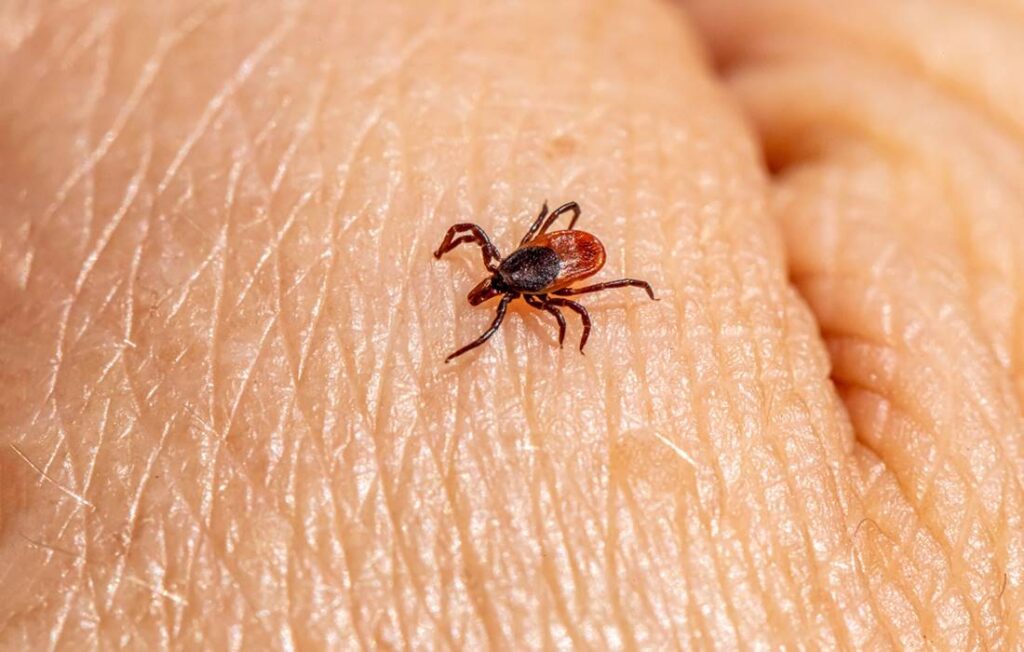
Ticks prefer environments with dense grass, brush, leaf mold, wooded borders, and moisture. Animals like deer, rodents, and squirrels can serve as hosts.
Houses located close to Barrie trails, wooded lands, ravines, and wilderness can thus see increased tick presence at their yard borders.
Fleas can similarly be brought into suburban areas by animals like rodents. Pets can then bring them into houses.
Tick Exposure Around Barrie Homes
Ticks can be encountered in residential yards as well as on trails. People or pets may pick them up after brushing against grass, brush, or other vegetation.
After outdoor activities, check children, adults, and pets for ticks. Pay particular attention to:
- Hairline and behind the ears
- Underarms
- Waist
- Behind the knees
- Pet ears and neck
- Legs and paws
- Under pet collars
Dogs that regularly use Barrie trails or wooded areas should be checked after walks.
Homeowners can also review information about ticks around homes in Simcoe County.
Health Risks Associated With Tick Bites
Lyme disease can be spread by infected black-legged ticks in Ontario.
The ticks that bite should be removed quickly. Use tweezers to grip the tick close to the skin and pull it up without jerking or squeezing it.
Clean the bite site afterward. Consult a doctor if there are signs like a growing rash, fever, tiredness, headache, or pain in muscles and joints following the tick bite.
Flea Infestations Inside Homes
Fleas are often brought indoors by pets, wildlife, or rodents.
Adult fleas typically feed on animals, while eggs can fall into:
- Carpets
- Pet bedding
- Furniture
- Floor cracks
- Other protected areas
Flea bites repeated often enough will cause itching, redness, and irritation.
It might be necessary to treat the animal and the environment since fleas can have eggs, larvae, or pupae present in the household.
Cockroach Allergens in Downtown Barrie Residential Properties
Cockroaches can be especially difficult to control in apartments, condos, and other multi-unit properties because they can travel between connected spaces.
Their droppings, saliva, shed skins, and body fragments can also contribute to indoor allergens.
Why Cockroaches Spread in Apartments and Multi-Unit Buildings
Cockroaches can move between units through:
- Wall voids
- Plumbing penetrations
- Utility lines
- Gaps around cabinets and baseboards
- Shared service areas
Garbage rooms, kitchens, washing spaces, leaks, grease, and food matter serve as sources of food and moisture for the insects.
Since these pests tend to be nocturnal, an infestation can develop before it becomes apparent how serious the problem is.
An infestation in a multi-unit property may necessitate treatment of more than one unit.
Cockroach Allergens and Indoor Air Quality
Cockroach droppings, saliva, shed skins, egg cases, and body fragments can break down into particles that mix with household dust.
These materials may collect:
- Under appliances
- Along baseboards
- Inside cupboards
- Around plumbing
- In hidden harbourage areas
Cockroach allergens can remain after visible activity decreases, so contaminated areas may still require cleaning after the infestation is controlled.
Asthma and Allergy Risks
Cockroach allergens can trigger allergic reactions and worsen asthma symptoms in sensitive individuals.
Possible symptoms include:
- Coughing
- Wheezing
- Nasal congestion
- Itchy eyes
- Breathing difficulty
Individuals who are children and those with asthma and respiratory allergies could be more susceptible to repeat exposure.
Elimination of the infestation involves elimination of harbourage, moisture, food, and migration among adjoining units more than just eradicating visible cockroaches.
Worsening or severe respiratory symptoms require evaluation by a medical practitioner.
Signs a Pest Problem May Be Creating a Health Risk
Watch for:
- Rodent droppings
- Strong urine odours
- Nesting material
- Chewed food packaging
- Flea bites inside the home
- Ticks on people or pets
- Cockroach droppings
- Egg cases or shed skins
- Repeated cockroach sightings
- Cockroaches appearing during the daytime
Persistent or increasing signs usually mean the source of the infestation needs to be identified and addressed.
Reducing Pest-Related Health Risks in Barrie Homes
Removing food, moisture, shelter, and entry points can reduce conditions that support pests.
Rodent Prevention
Inspect and seal openings around:
- Foundations
- Doors
- Garage doors
- Vents
- Siding
- Pipes
- Cables
- Utility penetrations
Repair damaged screens and vents and replace worn weather stripping.
Store food, pet food, and bird seed in sealed containers. Keep garbage secured and clean food spills promptly.
Flea and Tick Prevention
Keep the grass short and cut back dense plant growth in heavily utilized areas.
Eliminate extra fallen leaves and decrease the amount of brush, ground cover, and other shelters close to the residence.
Following walks near Barrie trails, parks, wooded areas, or tall grass, make sure to inspect pets and family members for any ticks.
Another way to reduce animals that may bring fleas and ticks to your property is to decrease bird feed and garbage.
Cockroach Prevention
Reduce food and moisture by:
- Cleaning crumbs, grease, and spills
- Storing food securely
- Emptying garbage regularly
- Repairing plumbing leaks
- Cleaning behind appliances
- Sealing gaps around pipes and walls
In apartments and multi-unit properties, neighbouring units or shared areas may also need inspection when cockroach activity is widespread.
When Professional Pest Control May Be Needed
Professional pest control may be appropriate when:
- Rodent droppings or nesting materials are extensive
- Mice or rats are active inside walls, ceilings, or attics
- Fleas continue after pet treatment and cleaning
- Ticks are repeatedly found around the property
- Cockroaches are active in several areas or neighbouring units
- Pest activity returns after DIY treatment
- Entry points or nesting areas cannot be located
A pest control inspection in Barrie can identify the extent of the infestation, locate entry or harbourage areas, and determine the appropriate treatment and prevention measures.