
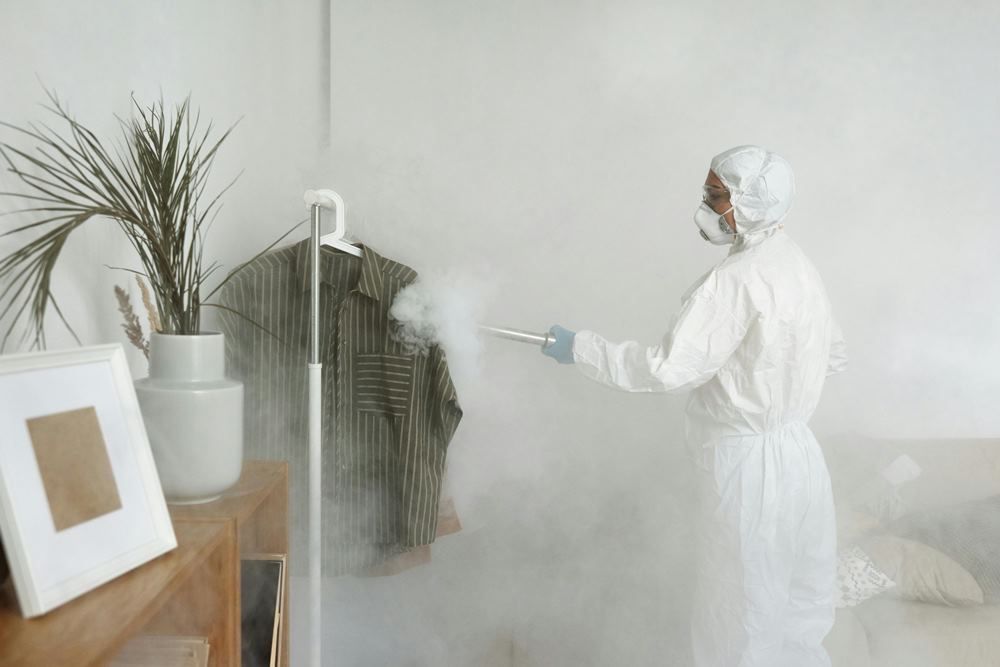
Pet-Safe Pest Control in King City, Ontario
Dogs, cats, and other animals living in a home need more attention during pest control.
Professional pet-friendly pest control services in King City will concentrate on controlling the pest and minimizing excessive contact. This might involve selective application, safe bait stations, proper placement of the treatment, and keeping the pets away from the treated areas.
Inform your pest controller about all animals that live in the house before the treatment process, including dogs, cats, birds, fish, reptiles, rabbits, and other small pets.
Is Pest Control Safe for Dogs and Cats?
Pesticide applications for pest management can be carried out in homes with dogs and cats as long as the right product and proper technique is utilized.
“Pet-safe” does not necessarily mean that all pesticides are safe even if touched or ingested. This is affected by:
- The product being used
- Where it is applied
- The treatment method
- Whether pets can reach the area
- Required drying or re-entry times
- Following the product label and technician’s instructions
A pest control technician working in a home with dogs and cats should explain how pets will be protected during treatment.
Why Pet-Safe Pest Control Is About Reducing Exposure
Targeted treatment helps reduce unnecessary exposure.
For example:
- Ant baits may be set in cracks and secluded areas.
- Cockroach baits may be targeted at cabinets, plumbing joints, and appliances.
- Baits for rodents may be set in tamper-resistant stations.
- Outside treatments may be targeted at entry and harbourage points.
It may be necessary to remove pet dishes, toys, bedding, litter boxes, etc.
Dogs and Cats Can Be Exposed in Different Ways
Dogs also tend to sniff floors, baseboards, garages, yards, and other lower areas.
Cats can reach countertops, shelves, windowsills, basements, and other higher elevations. They will lick their paws and hair as well.
Let the technician know about the places where your pets spend most of their time.
How to Prepare Dogs and Cats for Pest Control
Preparation depends on the pest and treatment being used.
Before the Exterminator Arrives
Tell the company about every pet in the home.
You may be asked to:
- Remove food and water bowls.
- Pick up toys and chew items.
- Move pet bedding.
- Secure pet medications.
- Clean spilled pet food.
- Move litter boxes if required.
- Identify areas where pets sleep or hide.
- Explain whether pets access basements, garages, crawl spaces, or yards.
Follow the preparation instructions provided for your treatment.
Where Should Pets Stay During Treatment?
Pets should not enter areas while pesticides are being applied.
Depending on the service, pets may need to:
- Stay in an untreated area
- Leave the property temporarily
- Remain with a friend or family member
- Stay away from a specific room or outdoor area
Ask the technician exactly where your pets should stay.
When Can Pets Return to Treated Areas?
There is no single re-entry time for every pest-control treatment.
Some liquid products require treated surfaces to dry. Other products have different requirements.
Follow:
- The product label
- Technician instructions
- Required drying times
- Ventilation instructions
- Treatment-specific re-entry guidance
Do not rely on a general two-hour or four-hour rule unless your technician specifically provides that timeframe.
Pet-Safe Pest Control for Mice, Ants, Cockroaches and Other King City Pests
Different pests require different control methods.
Mice and Rat Control With Pets in the Home
Mice control requires careful placement when pets are present.
Treatment may include:
- Tamper-resistant bait stations
- Traps
- Monitoring devices
- Entry-point inspection
- Rodent exclusion
Rodenticide should never be left where pets can easily access it.
Tell the technician where your dog or cat normally roams before traps or stations are installed.
Ant Control in Homes With Dogs and Cats
Ant control may include baiting, crack-and-crevice applications, exterior treatments, and entry-point control.
Treatment should consider the location of:
- Food bowls
- Water dishes
- Pet bedding
- Litter boxes
- Pet resting areas
Ant bait and other products should be placed where pets cannot lick, chew, or disturb them.
Cockroach Control Around Pets
Cockroaches commonly hide around:
- Refrigerators
- Cabinets
- Plumbing penetrations
- Sinks
- Appliances
- Wall gaps
- Basement utility areas
Cockroach control professionals tend to focus on these harbourages rather than spraying all surfaces around the house.
The pet food should be kept in sealed containers, thus eliminating a food source.
Spider and Crawling-Insect Treatments
Spiders and crawlers are commonly discovered in basements, garages, windows, doors, foundations, and storage spaces.
Treatment can focus on:
- Cracks and gaps
- Harbourage areas
- Exterior foundations
- Entry points
- Areas with active pest activity
Tell your technician if pets regularly use these areas. When spiders are the main concern, professional spider control can focus on active areas and likely entry points.
Flea Control When Pets Live in the Home
Flea treatments usually need to address both the premises and the pet.
Professional flea control may involve treatments for carpets, crevices, places where pets rest, and other areas where fleas reproduce.
The treatment for the pet should be decided with a veterinarian.
One must not use any household insecticide product on a pet unless the label explicitly indicates the same.
What About Birds, Fish, Reptiles and Other Sensitive Pets?
Birds, fish, reptiles, rabbits, hamsters, and other small animals may require different precautions.
Tell the pest-control company about every animal before the appointment.
Tell the Technician About Every Pet
Provide information about:
- The type of animal
- Where cages or tanks are located
- Whether the animal can be moved
- Where food and supplies are stored
- Whether the animal roams freely
The technician can then provide treatment-specific preparation instructions.
Fish Tanks and Aquariums
Pest-control products should not enter aquarium water.
Tell the technician about fish tanks before treatment begins.
Depending on the application, you may need to cover the aquarium or follow special instructions for pumps and filtration equipment.
Follow the technician’s instructions rather than making changes to aquarium equipment based on general advice.
Birds and Other Sensitive Animals
Birds and small animals may need to be moved away from treatment areas.
Depending on the service, you may need to:
- Move the cage or enclosure
- Remove food and water
- Protect bedding and accessories
- Keep the animal away during treatment
- Follow ventilation requirements
- Wait for the recommended re-entry conditions
Questions to Ask an Exterminator If You Have Pets
Before treatment, ask these questions.
1. What Product Will You Use?
Ask what product or treatment method will be used and why it was selected.
2. Is the Product Registered for Pest Control in Canada?
Professional pest-control products should be used according to their approved Canadian labels. Homeowners may also want to understand the limitations of over-the-counter pest products before attempting treatment themselves.
3. Where Will the Treatment Be Applied?
Ask which areas will be treated, especially if your pets regularly access them.
4. Do My Dogs or Cats Need to Leave?
Ask whether pets need to leave the home or only stay away from specific treatment areas.
5. When Can My Pets Return?
Ask about drying time, ventilation, and other re-entry requirements.
6. What Pet Items Should I Remove?
This may include:
- Food bowls
- Water dishes
- Toys
- Bedding
- Litter boxes
- Cages
- Grooming supplies
7. How Will Rodent Bait Be Kept Away From My Pets?
Ask whether tamper-resistant stations will be used and where they will be installed.
8. Are There Different Precautions for Birds, Fish or Reptiles?
Mention all animals in the home so the technician can provide the correct instructions.