
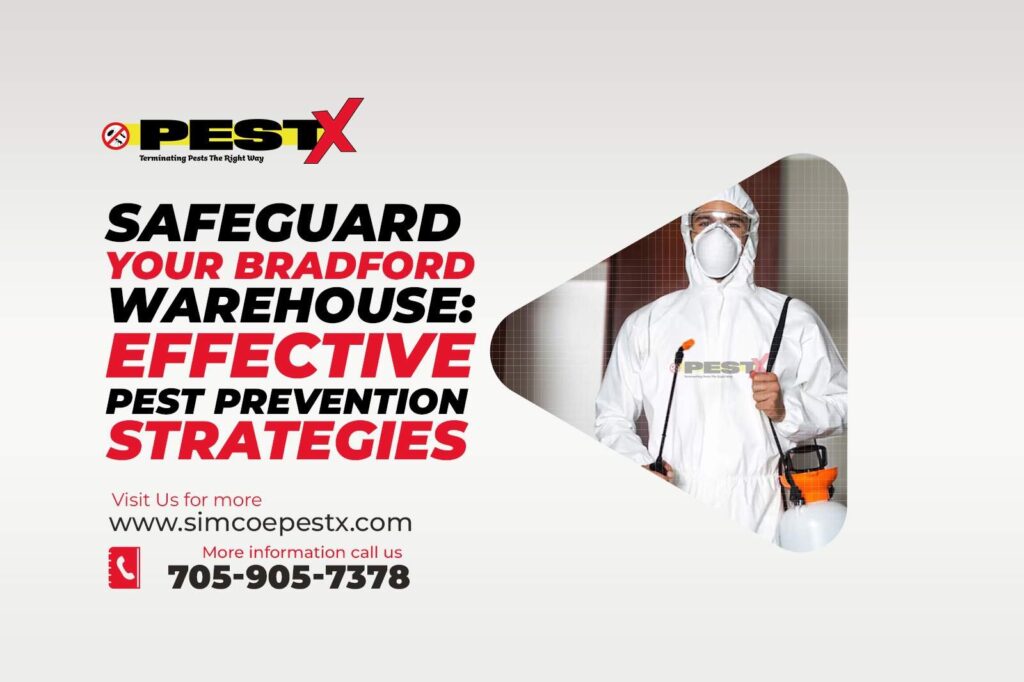
Why Pest Control Matters for Bradford Warehouses
Pest activity in a warehouse can affect much more than cleanliness. Rodents, insects, birds, and stored-product pests can damage inventory, packaging, equipment, storage areas, and building materials while creating sanitation and operational concerns.
For warehouse operators in Bradford, a proactive pest management program can help detect activity early, reduce contamination risks, and protect day-to-day operations.
The Risks Pests Pose to Bradford Warehouses
1. Damage to Inventory
Rodents and insects can damage products before they ever reach customers. Mice and rats may chew through cardboard, plastic packaging, stored goods, insulation, and other materials.
Warehouses storing food, pet food, grains, seeds, or other dry goods may also experience problems with weevils, beetles, moths, and similar stored-product pests.
Damaged or contaminated products may need to be discarded, creating unnecessary inventory losses and additional operating costs.
2. Health and Sanitation Concerns
Rodents, cockroaches, flies, and other pests can contaminate products and surfaces as they move between waste areas, drains, loading areas, storage zones, and other parts of the facility.
Rodent droppings, urine, nesting materials, and insect activity should be investigated promptly, particularly in facilities storing food or other sensitive products.
3. Compliance and Documentation Concerns
Some warehouses operate under specific sanitation, food-storage, workplace, or industry requirements. Pest activity can create problems when facilities are expected to maintain clean storage conditions, inspection records, monitoring programs, and documented corrective actions.
The exact requirements depend on what the warehouse stores and the regulations that apply to its operations.
4. Equipment and Building Damage
Rodents are known for gnawing and may damage electrical wiring, insulation, machinery components, packaging, and structural materials.
Bird nesting, accumulated droppings, insect activity, or other pest problems can also create maintenance concerns in loading areas, roof structures, rafters, and storage spaces.
Early detection can help reduce repair costs and prevent pest activity from spreading throughout the facility.
Common Pests Found in Bradford Warehouses
1. Rodents: Mice and Rats
Mice and rats are among the most common warehouse pests because large commercial buildings offer numerous places to hide. They may enter through gaps around loading doors, utility lines, foundations, vents, rooflines, and service entrances.
Common signs include:
- Droppings
- Gnawed packaging
- Scratching sounds
- Nesting material
- Damaged stock
- Grease marks along travel routes
Recurring activity may require professional rodent removal combined with monitoring and entry-point exclusion.
2. Cockroaches
Cockroaches prefer warm, dark, protected areas where food and moisture are available. They may be found around break rooms, washrooms, drains, storage areas, utility rooms, and waste zones.
Because cockroaches reproduce quickly and hide inside narrow spaces, established activity may require professional cockroach control.
3. Stored Product Pests
Weevils, beetles, moths, and similar insects can infest grains, flour, cereal products, seeds, pet food, dried foods, and other stored goods.
Infestations may arrive with incoming products and spread when affected stock remains undetected.
Warehouse teams should inspect incoming shipments, monitor susceptible products, rotate stock, and isolate damaged or suspicious goods quickly.
4. Birds
Birds may enter through loading areas, damaged roof openings, vents, or other access points. They may also nest on rafters, beams, rooftops, ledges, signs, and loading structures.
Nesting material and accumulated droppings can create sanitation and maintenance problems. Persistent bird activity may require professional bird and wildlife control using appropriate exclusion methods.
5. Flies
Flies may be attracted to garbage, organic waste, drains, spills, damaged products, and waste-handling areas.
Effective fly management requires identifying the breeding source rather than controlling only the adult flies that are visible.
6. Ants
Ants can enter warehouses while searching for food and water. Break rooms, food-storage areas, vending locations, and moisture-prone sections of the building may encourage activity.
Persistent trails or repeated sightings may require professional ant control to identify nesting areas and determine the appropriate treatment.
Practical Pest Prevention Strategies for Warehouses
1. Maintain a Clean Facility
Good sanitation is one of the foundations of warehouse pest prevention. Food residue, waste, clutter, spills, and unused materials can provide pests with food and shelter.
Daily Cleaning Priorities
- Sweep or clean floors where debris accumulates.
- Clean break rooms and employee eating areas.
- Remove food waste promptly.
- Empty garbage bins regularly.
- Clean spills when they occur.
Routine Deep Cleaning
Clean behind and beneath storage racks, shelving, machinery, pallets, appliances, and other equipment where debris may accumulate unnoticed.
Loading docks and receiving areas should also be included in routine cleaning because incoming shipments can introduce pest activity.
2. Improve Inventory and Storage Management
Organized inventory makes it easier to inspect products and identify signs of pests before activity spreads.
- Use suitable pallet or racking systems where appropriate.
- Keep storage areas accessible for inspection.
- Inspect damaged packaging promptly.
- Rotate stock using a first-in, first-out system.
- Remove expired, damaged, or contaminated products.
- Inspect incoming shipments for pest evidence.
Warehouses storing susceptible food products should pay particular attention to signs of stored-product insects.
3. Seal Pest Entry Points
Preventing pests from entering is usually more effective than dealing with an established infestation.
Inspect:
- Loading dock doors
- Exterior personnel doors
- Door sweeps
- Foundations
- Utility penetrations
- Roof and wall vents
- Windows and screens
- Openings around pipes and wiring
Suitable openings should be repaired or sealed using materials appropriate for the structure and pest involved.
4. Manage Waste Properly
Waste can attract rodents, flies, cockroaches, ants, birds, and wildlife. Garbage and recycling areas should be incorporated into the warehouse pest-prevention program.
Good practices include:
- Using waste containers that close properly.
- Emptying indoor bins regularly.
- Cleaning spilled material promptly.
- Keeping dumpster areas reasonably clean.
- Monitoring exterior waste areas for pest activity.
- Removing damaged or spoiled products promptly.
5. Maintain the Exterior
The warehouse perimeter can provide early warning signs of pest activity.
Exterior maintenance may include:
- Trimming excessive vegetation near exterior walls.
- Removing unnecessary debris around the building.
- Correcting drainage problems where practical.
- Repairing damaged vents and screens.
- Inspecting loading areas and exterior doors.
- Monitoring rooflines and ledges for bird activity.
6. Control Moisture
Leaks, condensation, poor drainage, and standing water can provide pests with a reliable water source.
Inspect plumbing areas, mechanical rooms, washrooms, break rooms, drains, refrigeration equipment, and exterior drainage for recurring moisture.
Repairs should be completed promptly when leaks or other water problems are found.
7. Train Warehouse Employees
Employees are often the first people to notice pest activity. Staff should know how to recognize and report:
- Droppings
- Gnawed packaging
- Live or dead pests
- Damaged inventory
- Nesting material
- Unusual insect activity
- Bird nesting
- Recurring pest sightings
A report should include the location, date, approximate time, and type of activity observed whenever possible.
The Importance of Regular Warehouse Inspections
Routine inspections can identify pest activity and structural weaknesses before they become larger problems.
High-risk areas may include:
- Loading docks
- Receiving areas
- Storage racks
- Food-storage areas
- Break rooms
- Washrooms
- Mechanical rooms
- Garbage and recycling areas
- Exterior building perimeters
Look for droppings, gnaw marks, damaged packaging, tracks, nesting material, insects, structural gaps, and recurring moisture.
Use Integrated Pest Management in Warehouses
Integrated Pest Management (IPM) combines monitoring, sanitation, exclusion, maintenance, trapping, and targeted treatment to address the conditions supporting pest activity.
A warehouse IPM program may include:
- Routine inspections
- Accurate pest identification
- Rodent and insect monitoring
- Food and waste management
- Structural exclusion
- Moisture reduction
- Inventory management
- Trapping where appropriate
- Targeted treatment when required
- Follow-up inspections
- Service documentation
Monitoring devices should be checked regularly rather than installed and forgotten. Findings can help determine where pest pressure is increasing and where corrective action is needed.
Professional Pest Control for Bradford Warehouses
Large commercial facilities often require a structured pest-management plan rather than occasional treatment after pests become visible.
Professional commercial pest control services may provide:
- Scheduled facility inspections
- Rodent and insect monitoring
- Species identification
- Targeted treatments
- Entry-point recommendations
- Sanitation recommendations
- Follow-up service
- Documented pest activity
An experienced pest control provider in Bradford can assess the warehouse layout, stored products, loading areas, pest pressure, and building conditions before developing a treatment and prevention plan.
Commercial Pest Control in Barrie
Companies operating warehouses, distribution facilities, or other commercial properties across the surrounding region can also access professional pest control in Barrie for rodent, insect, and other recurring pest problems.
Using consistent pest-management procedures across multiple facilities can make it easier to monitor recurring problems and maintain cleaner storage environments.
Pest Control Documentation and Compliance
Warehouses should understand the sanitation, workplace, food-storage, or industry-specific requirements that apply to their operations.
Depending on the facility, useful pest-control documentation may include:
- Inspection records
- Pest sighting logs
- Monitoring results
- Service reports
- Corrective actions
- Cleaning records
- Follow-up recommendations
Professional pest-control providers can also help maintain service documentation related to the pest-management work they perform.
Warehouse Pest Prevention Checklist
- Clean regularly: Remove debris, spills, food residue, and waste.
- Inspect deliveries: Look for damaged packaging or signs of pests.
- Rotate stock: Use an organized first-in, first-out inventory system.
- Seal entry points: Inspect loading doors, utilities, vents, and foundations.
- Manage waste: Keep garbage and recycling areas clean and monitored.
- Control moisture: Repair leaks and drainage problems.
- Monitor activity: Inspect high-risk areas consistently.
- Train employees: Establish a clear pest-reporting procedure.
- Arrange professional service: Respond quickly when recurring activity is detected.
Safeguarding Your Bradford Warehouse From Pests
Protecting a Bradford warehouse from pests requires ongoing attention to sanitation, inventory management, building maintenance, waste handling, moisture control, monitoring, and staff awareness.
A proactive approach can help protect inventory, equipment, employees, customers, and business operations while making pest activity easier to identify before it becomes widespread.
If pests continue to appear or the source of activity cannot be identified, professional commercial pest control can inspect the facility, locate problem areas, and recommend appropriate treatment and prevention measures.